Portable Load Bank Testing for Generator and UPS Systems
Portable load banks enable precise testing of generators and UPS systems under simulated real-world ...
Load bank testing is a critical process used to evaluate the performance, reliability, and safety of electrical power sources such as generators, UPS systems, and renewable energy installations. By simulating real-world electrical loads, load banks ensure that equipment can handle expected operational conditions before deployment or during routine maintenance. This method allows engineers and facility managers to verify system functionality without relying on actual utility power or connected loads.
There are several types of load banks, including resistive, reactive, capacitive, and combination (RLC) load banks. Resistive load banks simulate pure resistive loads—like lighting or heating elements—and are commonly used for basic generator testing. Reactive load banks mimic inductive or capacitive loads found in motors, transformers, and power factor correction systems. A combination RLC load bank offers the most comprehensive test by applying both resistive and reactive components simultaneously, enabling full-load evaluation under varying power factors.
Modern load banks often feature advanced control systems with remote monitoring capabilities via Modbus, Ethernet, or CAN interfaces. These tools allow users to adjust load levels dynamically, log data in real time, and integrate with SCADA systems for continuous oversight. Safety is paramount; certified models include overtemperature protection, emergency stop buttons, short-circuit safeguards, and grounding compliance per IEC 60034-1 and IEEE standards. Thermal management typically involves forced air cooling or water-cooled units, depending on the load capacity and environment.
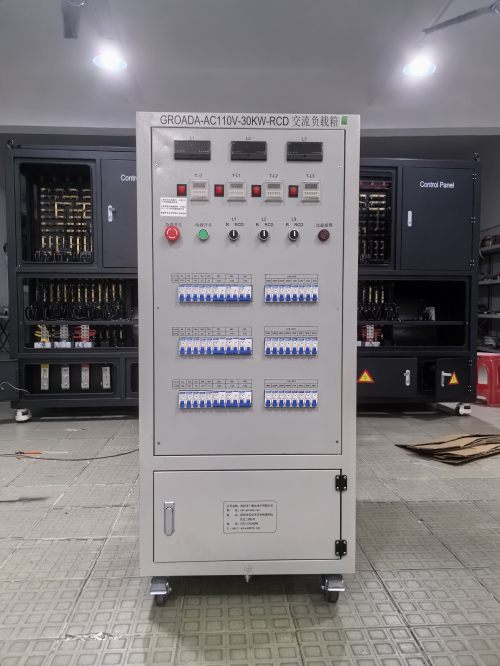
In practical applications, a 500 kW three-phase resistive load bank was used in an anonymized case study at a hospital backup generator site. The test confirmed stable voltage regulation under 25%, 50%, 75%, and 100% load steps over 4 hours. Key parameters like frequency stability, fuel consumption rate, and harmonic distortion were recorded, revealing a 9% improvement in engine response when the load ramping profile was optimized based on test results.
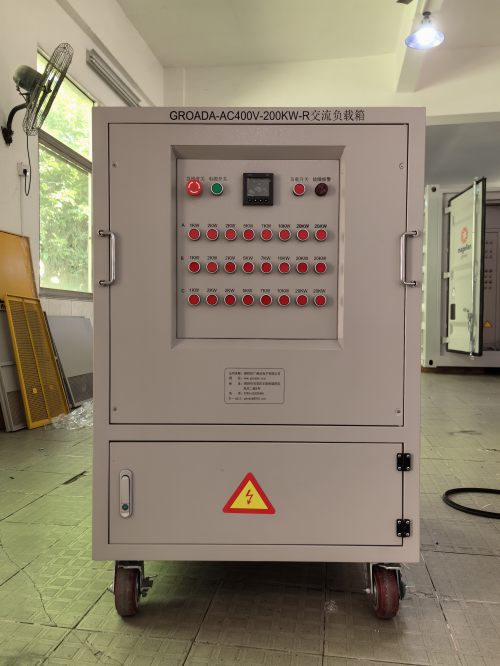
For portability, many load banks are built with IP54-rated enclosures, lifting eyes, and forklift pockets for safe transport. Maintenance intervals vary but generally recommend annual calibration using NIST-traceable equipment and replacement of resistor blocks every 5–10 years depending on usage intensity. These practices ensure long-term accuracy and reduce downtime risks.
 01
01
Portable load banks enable precise testing of generators and UPS systems under simulated real-world ...
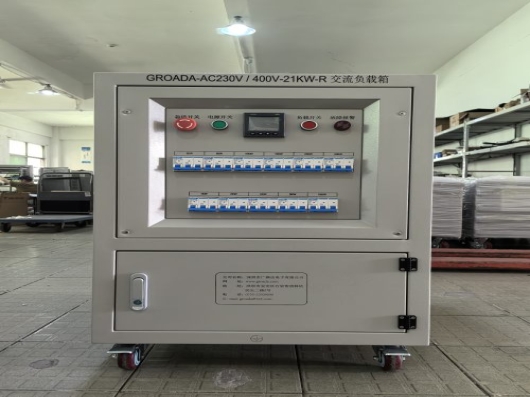 02
02
Chinese load bank tester factories produce reliable, high-accuracy equipment for generator and power...
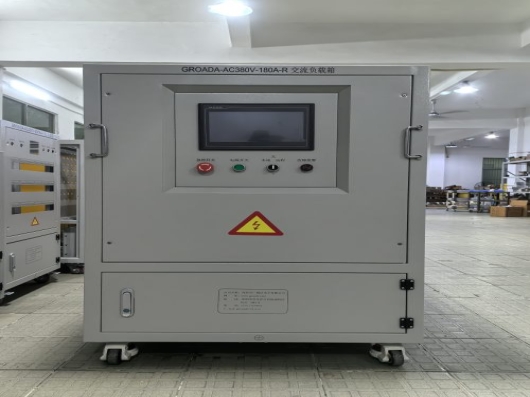 03
03
Portable load banks enable accurate generator and UPS performance validation by simulating real-worl...
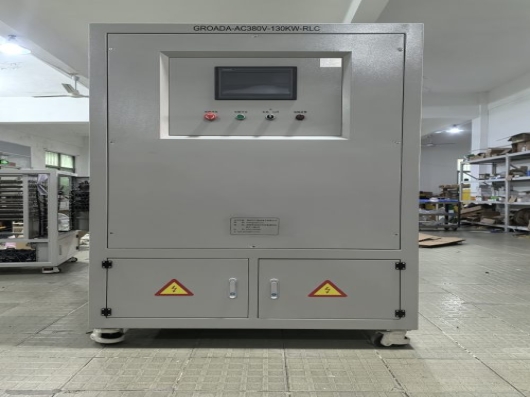 04
04
A portable load bank ensures generator reliability by simulating real-world loads for performance va...









