Portable Load Bank Testing for Generator and UPS Systems
Portable load banks enable precise testing of generators and UPS systems under simulated real-world ...
Load bank testing is a critical procedure used to validate the performance, reliability, and safety of generators, uninterruptible power supplies (UPS), and other electrical power systems. It simulates real-world load conditions in a controlled environment to ensure that equipment operates efficiently under various stress scenarios. This process is essential during factory acceptance testing (FAT), commissioning, maintenance, and emergency preparedness planning.
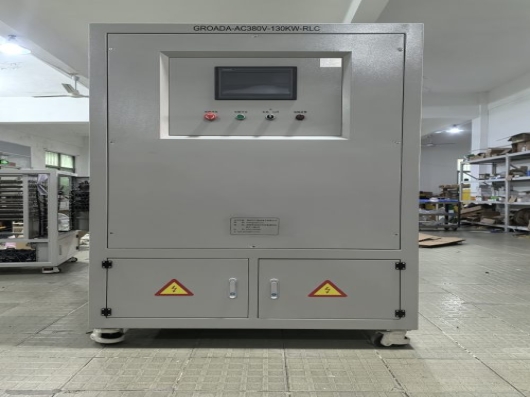
The main body of load bank testing revolves around three primary types: resistive, reactive, and combination (RLC) load banks. Resistive load banks absorb active power by converting it into heat—ideal for testing engine cooling, fuel consumption, and voltage regulation. Reactive load banks simulate inductive or capacitive loads, such as motors or transformers, enabling evaluation of reactive power handling and power factor correction. RLC load banks provide a comprehensive test by combining both resistive and reactive components, making them suitable for full-load validation of three-phase generators or microgrids.
Modern load banks often include digital control systems with Modbus, Ethernet, and RS-485 interfaces for remote monitoring and automation. Key parameters such as voltage, current, power factor, and temperature are measured with high accuracy (±0.5% typical), ensuring compliance with international standards like IEC 60034-1 for motor performance and IEEE 1159 for power quality. Thermal protection, overvoltage/undervoltage safeguards, and emergency stop mechanisms enhance operational safety. For portability, many models feature IP54-rated enclosures, lifting eyes, and forklift pockets, facilitating transport across construction sites, data centers, or industrial facilities.
In an anonymized case study, a 1 MW three-phase generator underwent 72-hour resistive load testing at 100% rated load prior to installation at a hospital backup system. The test confirmed stable voltage output within ±2%, no overheating beyond 75°C, and consistent diesel engine performance—validating readiness for critical operations. Based on field experience, regular load testing improves system uptime by up to 20% compared to static operation alone.
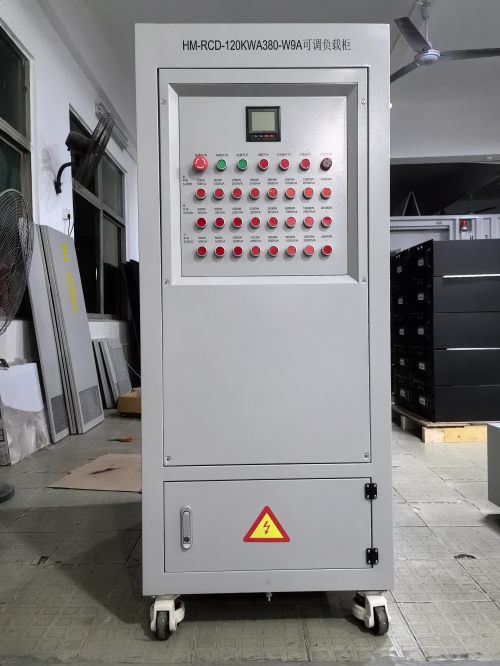
In conclusion, load bank testing ensures that power generation assets meet design specifications and regulatory requirements. Whether for new installations, routine maintenance, or grid integration of renewable sources like wind farms, structured load testing provides measurable confidence in system resilience and operational continuity.
 01
01
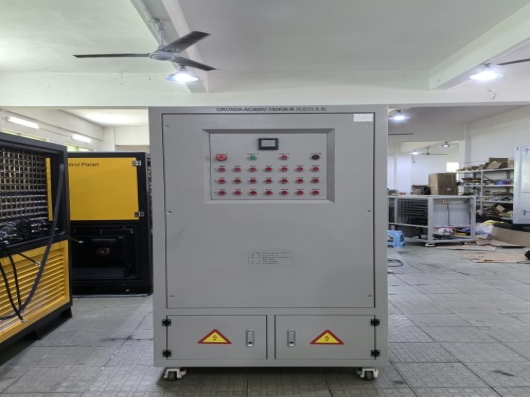
Portable load banks enable precise testing of generators and UPS systems under simulated real-world ...
 02
02
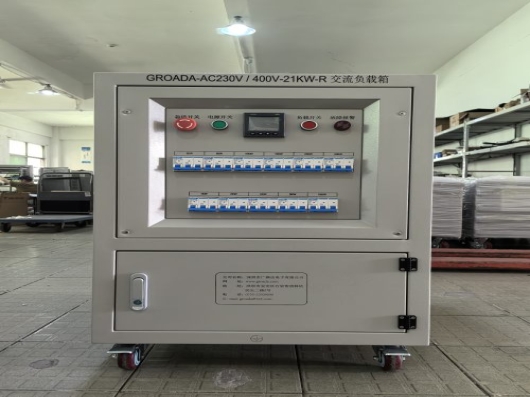
Chinese load bank tester factories produce reliable, high-accuracy equipment for generator and power...
 03
03
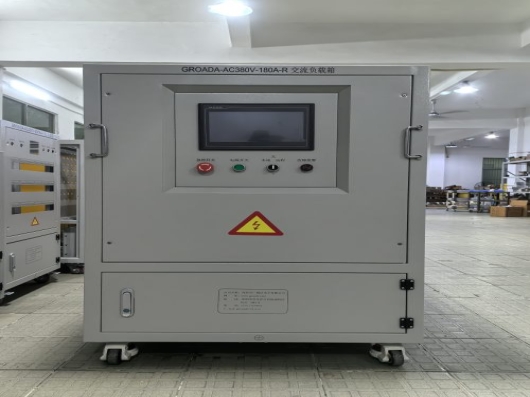
Portable load banks enable accurate generator and UPS performance validation by simulating real-worl...
 04
04
A portable load bank ensures generator reliability by simulating real-world loads for performance va...