Portable Load Bank Testing for Generator and UPS Systems
Portable load banks enable precise testing of generators and UPS systems under simulated real-world ...
Portable load banks are essential tools for validating the performance, reliability, and safety of power generation systems such as diesel generators, gas turbines, and renewable energy sources like wind and solar farms. These devices simulate real-world electrical loads to test how a generator responds under varying conditions—from idle to full capacity—without requiring an actual power grid connection.
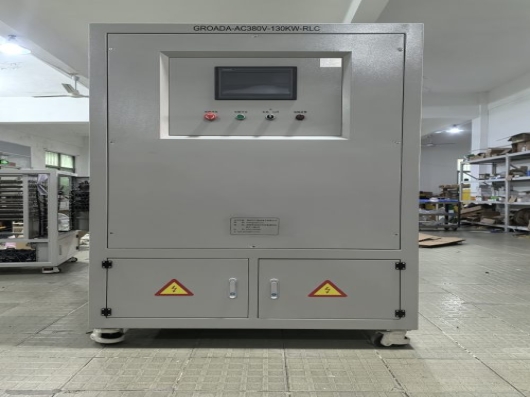
The main body of this article explores the technical fundamentals, applications, and best practices in using portable load banks. Resistive load banks are the most common type, converting electrical energy into heat through resistors and ideal for testing engine mechanical output, cooling systems, and fuel efficiency. Reactive load banks, which include inductive or capacitive components, help assess reactive power handling and voltage regulation, particularly important in three-phase systems used in industrial facilities. Combined RLC load banks offer flexibility by enabling both active and reactive load simulation simultaneously, making them suitable for comprehensive generator acceptance tests in accordance with IEC 60034-1 and IEEE 1547 standards.
Portable load banks typically feature modular designs for easy transport and setup, with ratings from 50 kW to 2,000 kVA depending on application needs. Key parameters include adjustable power factor (from 0.8 lagging to 1.0), thermal protection systems, remote monitoring via Modbus or Ethernet, and robust IP54 enclosures for harsh environments. Safety features such as overtemperature shutdown, E-stop functionality, and short-circuit protection ensure safe operation during high-load scenarios.
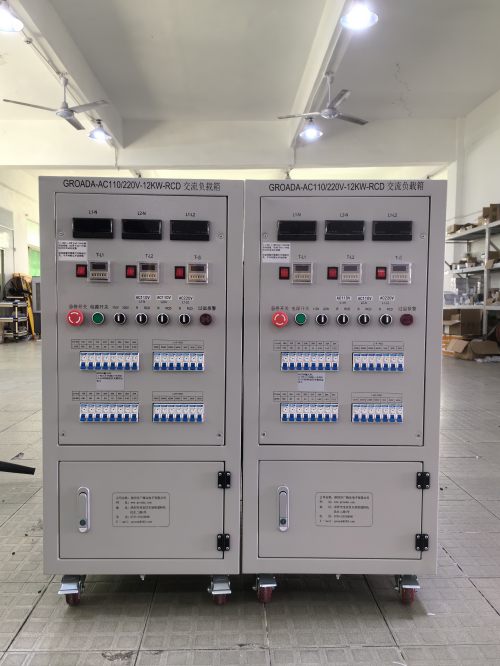
In conclusion, portable load bank testing is not just a compliance requirement—it’s a proactive maintenance strategy that prevents unexpected failures, extends equipment lifespan, and ensures grid readiness. Whether used in factory acceptance testing (FAT), field commissioning, or routine preventive maintenance, these systems provide critical data on voltage stability, frequency response, and emissions performance. With proper calibration and regular inspection, they remain indispensable across power generation sectors worldwide.
 01
01
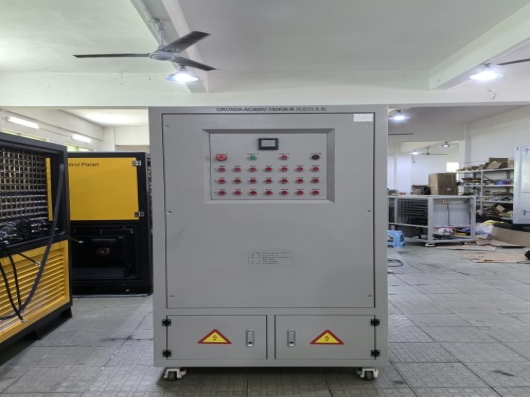
Portable load banks enable precise testing of generators and UPS systems under simulated real-world ...
 02
02
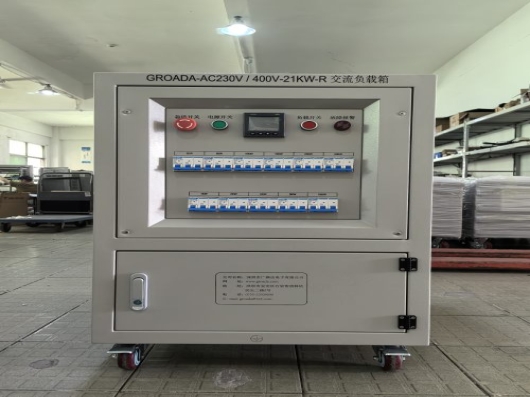
Chinese load bank tester factories produce reliable, high-accuracy equipment for generator and power...
 03
03
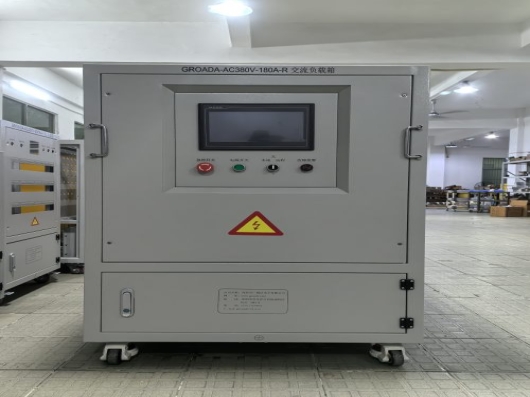
Portable load banks enable accurate generator and UPS performance validation by simulating real-worl...
 04
04
A portable load bank ensures generator reliability by simulating real-world loads for performance va...