Resistive Load Bank Testing for Generator Performance Validation
A resistive load bank tests generator performance by simulating real-world electrical loads. It ensu...
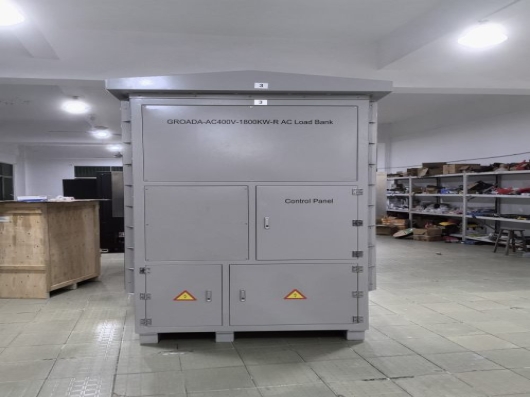
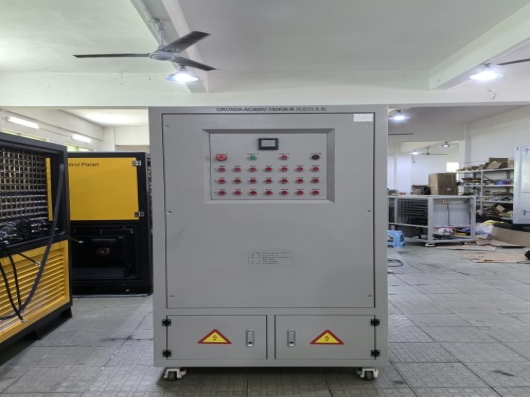
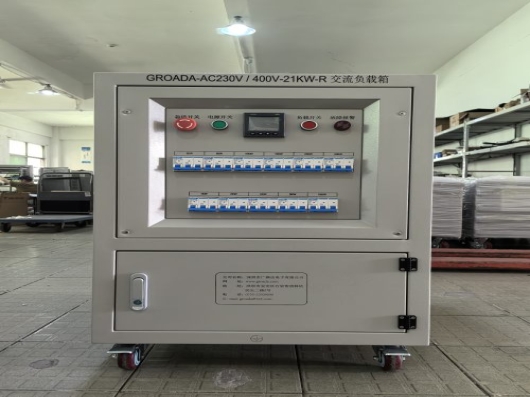
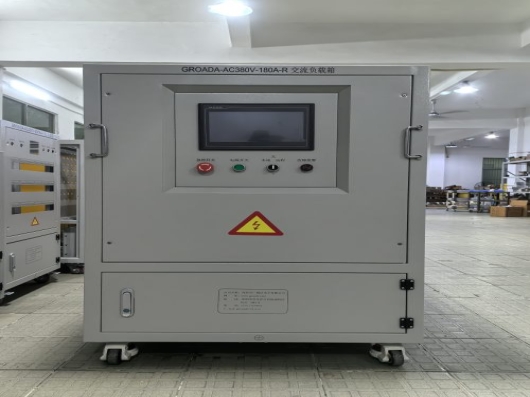
Resistive load banks are essential tools for validating generator performance under controlled electrical loads. These devices simulate real-world power demands by converting electrical energy into heat through precision resistors, enabling comprehensive testing of generators, UPS systems, and renewable energy sources like wind turbines or solar inverters. According to IEC 60034-1, the standard for rotating electrical machines, load testing must be conducted across a range of power factors and load levels to ensure compliance with rated capacity and thermal stability. A typical resistive load bank operates at a unity power factor (PF = 1.0), making it ideal for evaluating mechanical and electrical efficiency without reactive component interference. For example, in a simulated case study involving a 500 kW three-phase diesel generator, a resistive load bank was used to apply 25%, 50%, 75%, and 100% of full load over four-hour intervals. The test confirmed stable voltage regulation within ±2%, minimal temperature rise in the alternator windings (<30°C above ambient), and no harmonic distortion—indicating that the generator met factory acceptance criteria. Modern resistive load banks often feature passive cooling (air) or active water-cooling systems, depending on continuous duty requirements. Key technical parameters include rated power from 10 kW up to 10 MW, phase configurations (single or three-phase), current ranges from 50 A to 1000 A per phase, and accuracy of ±0.5% for voltage, current, and power measurements. Remote monitoring via Modbus RTU or Ethernet allows integration with SCADA systems for automated testing protocols. Safety features such as E-STOP, overtemperature protection, and grounding compliance (CE/UL/CCC certified) ensure safe operation during extended load cycles. Maintenance includes annual calibration using NIST-traceable equipment and replacement of resistor blocks every 5–7 years based on thermal cycling. This ensures long-term reliability for critical infrastructure applications including hospitals, data centers, and industrial facilities.
 01
01
A resistive load bank tests generator performance by simulating real-world electrical loads. It ensu...
 02
02
Portable load banks enable precise testing of generators and UPS systems under simulated real-world ...
 03
03
Chinese load bank tester factories produce reliable, high-accuracy equipment for generator and power...
 04
04
Portable load banks enable accurate generator and UPS performance validation by simulating real-worl...









