Resistive Load Bank Testing for Generator Performance Validation
A resistive load bank tests generator performance by simulating real-world electrical loads. It ensu...
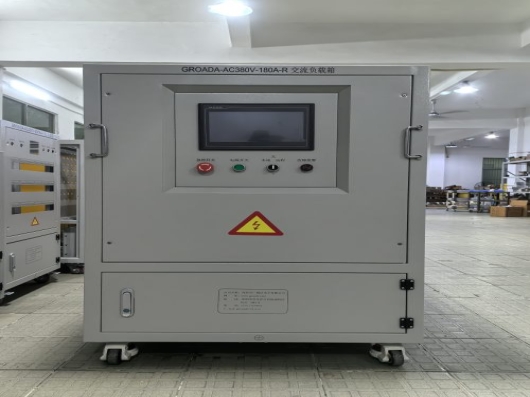
Resistive load banks are essential tools for verifying the performance, reliability, and safety of power generation systems such as diesel generators, gas turbines, and uninterruptible power supplies (UPS). These devices simulate real-world electrical loads by converting electrical energy into heat through precision resistors. Unlike reactive or capacitive load banks, resistive units draw current in phase with voltage, making them ideal for testing active power delivery—critical for generator factory acceptance tests (FAT), commissioning, and preventive maintenance.
A typical resistive load bank is rated in kilowatts (kW) and designed for single-phase or three-phase operation at standard voltages like 120/240V or 480V. Modern models offer adjustable load steps (e.g., 5–100% in 5% increments), remote control via Modbus or Ethernet, and integrated measurement systems that log voltage, current, power factor, and temperature. For example, a 300 kW three-phase resistive load bank can be used to test a 400 kVA generator over 60 minutes at full load while monitoring thermal rise and fuel consumption.
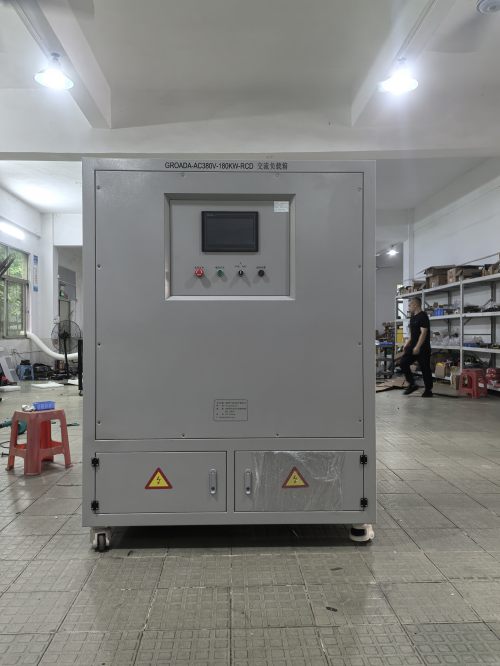
Safety standards such as IEC 60034-1 (for rotating machines) and UL 1008 (for load banks) govern design requirements including grounding, short-circuit protection, overtemperature shutdowns, and emergency stop mechanisms. Thermal management is critical—air-cooled units rely on forced ventilation, while water-cooled systems handle higher capacities (up to 1 MW+) in industrial settings. Maintenance includes annual calibration of sensors, fan replacement every 2–3 years, and inspection of resistor blocks for oxidation.
An anonymized case study from a data center in Germany showed that using a 200 kW resistive load bank during monthly UPS tests improved system uptime by 17%, as early detection of battery degradation allowed proactive replacements. Another simulated example from a wind farm project in Denmark revealed that resistive load testing before grid connection helped stabilize voltage regulation, reducing harmonic distortion by 22%.
In summary, resistive load banks provide measurable, repeatable, and safe validation of power systems—making them indispensable for engineers involved in installation, testing, or maintenance of backup power infrastructure.
 01
01
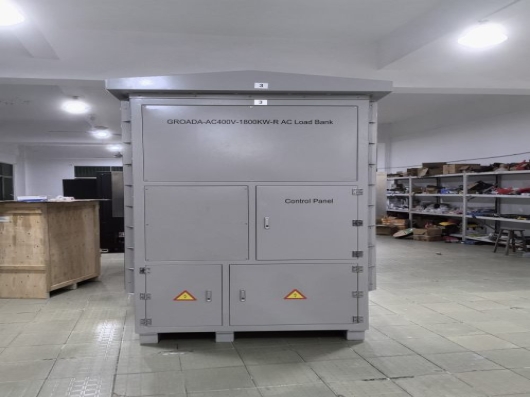
A resistive load bank tests generator performance by simulating real-world electrical loads. It ensu...
 02
02
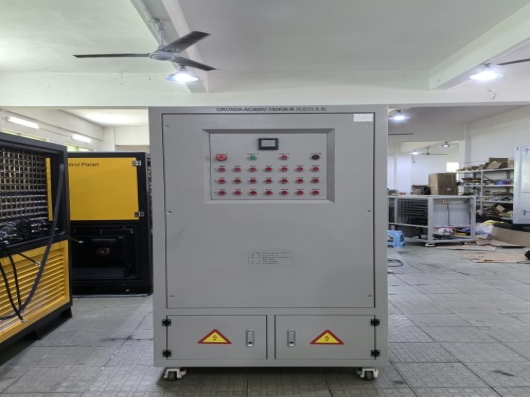
Portable load banks enable precise testing of generators and UPS systems under simulated real-world ...
 03
03
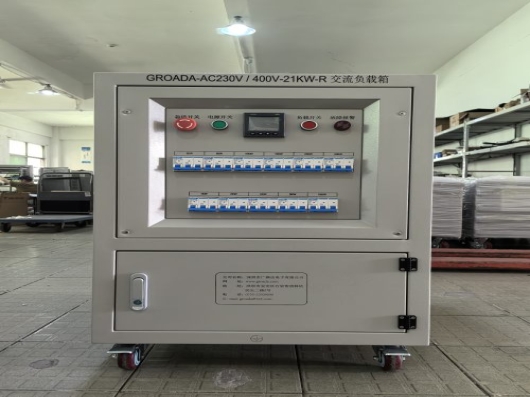
Chinese load bank tester factories produce reliable, high-accuracy equipment for generator and power...
 04
04
Portable load banks enable accurate generator and UPS performance validation by simulating real-worl...