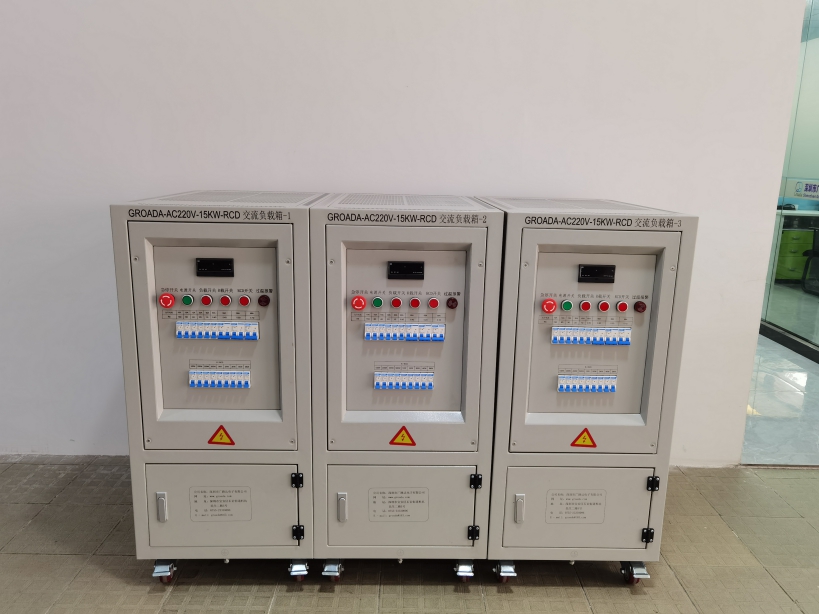
When sourcing a load bank for industrial testing, generator commissioning, or power system validation, understanding the cost structure and value proposition from a reputable load bank price manufacturer is critical. A high-quality load bank ensures reliable performance under real-world conditions—from factory acceptance tests to field-based grid integration scenarios. The most trusted manufacturers offer both resistive and reactive load banks, with options ranging from portable single-phase units to three-phase fixed systems capable of handling 500 kW or more.
Manufacturers that provide transparent pricing models often include not just the base unit but also calibration certificates, remote monitoring via Modbus or Ethernet, thermal protection, and compliance with international standards like IEC 60034-1 (for motor testing) or IEEE 1159 (power quality). These certifications ensure safety, accuracy, and long-term reliability—factors that reduce downtime and maintenance costs over time.
The total cost per kilowatt (kW) varies depending on features such as power factor adjustment range (typically 0.1–1.0), cooling method (air vs. water), and whether the unit supports automatic load ramping or step-wise testing. For example, an active resistive load bank with built-in data logging may have a higher upfront price than a passive one, but offers better test repeatability and reduced manual oversight—a key benefit for engineering teams conducting repetitive generator load tests.
In our experience, top-tier load bank price manufacturers in North America, Europe, and Asia typically offer modular designs that allow customers to scale capacity without replacing entire systems. This flexibility helps optimize capital expenditure, especially when used in microgrid or renewable energy projects where load profiles change seasonally.
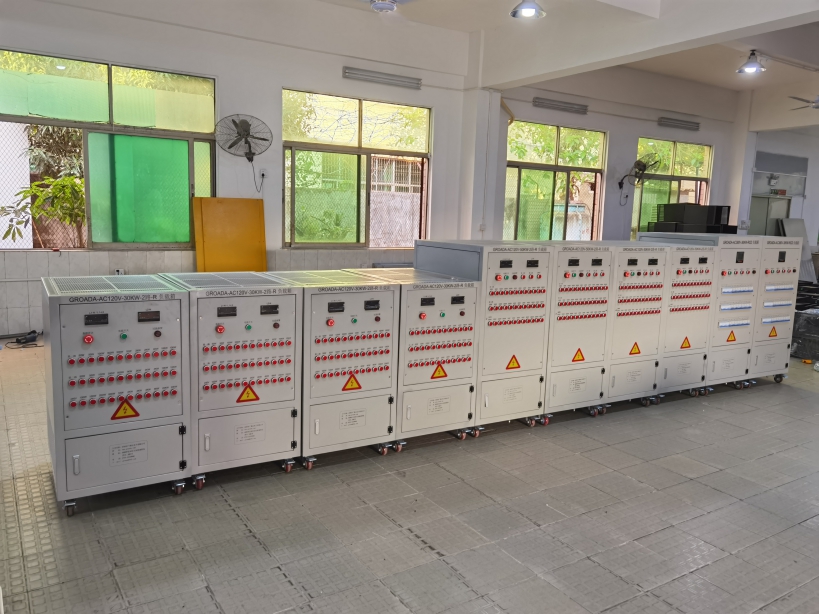
Case studies show that companies investing in well-engineered equipment see faster commissioning times and fewer failures during critical power transitions—such as switching between utility and backup generators in hospitals or data centers. One anonymized case study from a wind farm project in Germany revealed that using a precision-rated three-phase reactive load bank allowed engineers to validate grid synchronization parameters accurately, reducing test duration by 30% compared to traditional methods.
Ultimately, choosing the right load bank isn’t just about minimizing initial purchase price—it’s about maximizing return on investment through durability, ease of use, and accurate diagnostics. Reputable manufacturers stand behind their products with service support, spare parts availability, and regular calibration services, making them essential partners—not just suppliers—for any serious power infrastructure project.