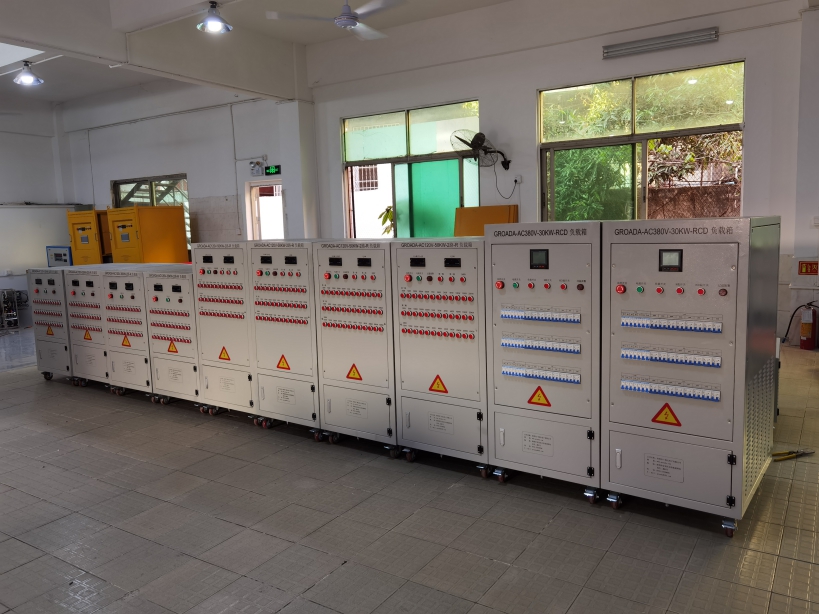
UPS load bank testing is a critical procedure in validating the performance, reliability, and safety of uninterruptible power supply systems—especially in data centers, hospitals, and industrial facilities. This process simulates real-world electrical loads to ensure that the UPS can deliver consistent power under various conditions, including full load, partial load, and dynamic load changes.
A comprehensive load bank test typically includes resistive, reactive, and combined (RLC) loading capabilities. Resistive load banks are most common for testing UPS output capacity and thermal behavior, while reactive load banks assess power factor handling and system stability under inductive or capacitive loads. Modern portable load banks often support three-phase configurations with adjustable power factors (from 0.8 lagging to 1.0), allowing engineers to simulate actual site conditions such as server racks (resistive), HVAC units (inductive), or motor-driven equipment (reactive).
Key specifications for UPS load bank testing include rated power (typically 5–2000 kVA), voltage levels (120V–600V AC), current range (up to 1000 A per phase), and cooling methods—air-cooled for smaller units and water-cooled for high-capacity systems. Thermal protection, overvoltage/undervoltage safeguards, and remote monitoring via Modbus or Ethernet are essential for safe operation. IEC 60034-1 and IEEE 1159 standards guide these tests by defining acceptable voltage harmonics, transient response times, and efficiency thresholds during load cycling.
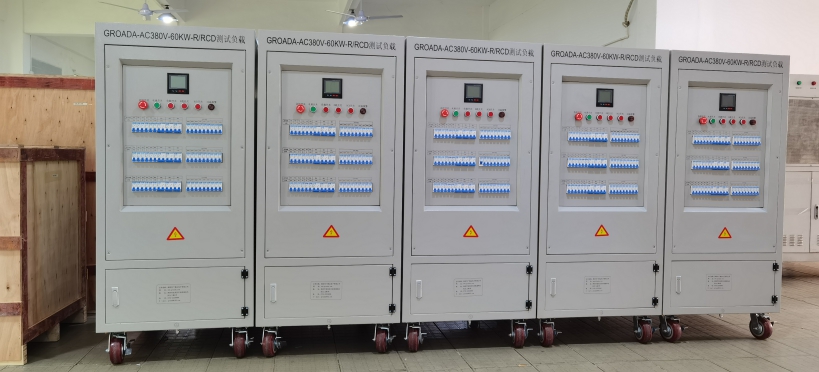
In an anonymized case study at a Tier III data center, a 1000 kVA UPS was tested using a resistive load bank at 100% load for 4 hours. The system maintained<1% voltage regulation, confirmed battery charge/discharge cycles, and validated automatic transfer switch (ATS) functionality—all without failure. Such tests prevent unexpected downtime, extend equipment life, and ensure compliance with facility uptime SLAs.
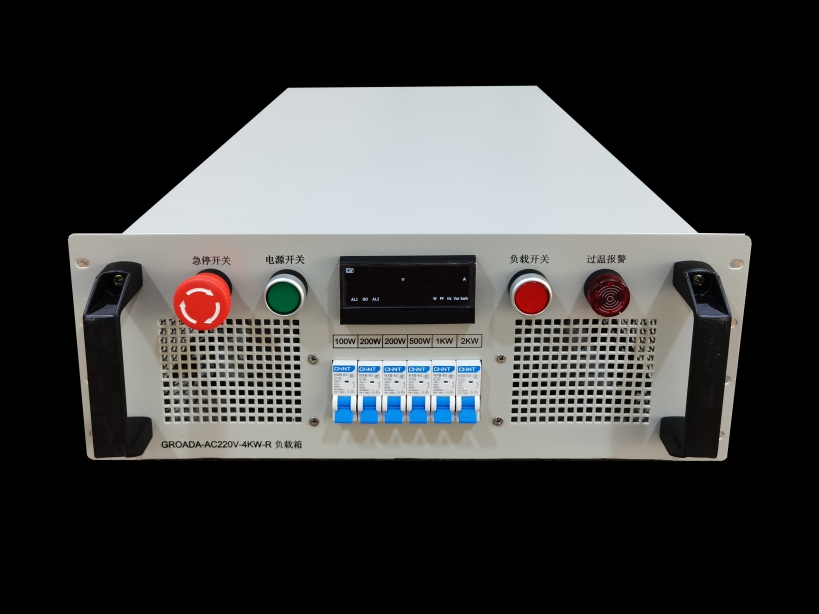
Regular load bank testing—performed quarterly or after maintenance—is recommended by industry best practices. Equipment must be calibrated annually using NIST-traceable instruments, and resistor blocks or fans should be inspected every 12 months to maintain accuracy and thermal integrity.