
Portable load banks are essential tools for validating the performance of generators, especially in industrial, commercial, and emergency power systems. They simulate real-world electrical loads to test generator output under various conditions—from no-load to full-load scenarios—ensuring reliability before critical deployment. A key application is factory acceptance testing (FAT), where new generators must meet IEC 60034-1 standards for motor/generator efficiency and thermal behavior. Another common use is in maintenance programs for backup power systems, such as those in hospitals or data centers, where downtime can be catastrophic.
The advantages of portable load banks include flexibility in installation, fast setup, and precise control over load levels using digital interfaces like Modbus or Ethernet. Many modern models support resistive, reactive, and combined RLC modes, allowing engineers to test power factor stability—a crucial metric for grid-connected systems. For example, a three-phase resistive load bank rated at 500 kW can help verify that a diesel generator maintains voltage regulation within ±2% under varying load steps.
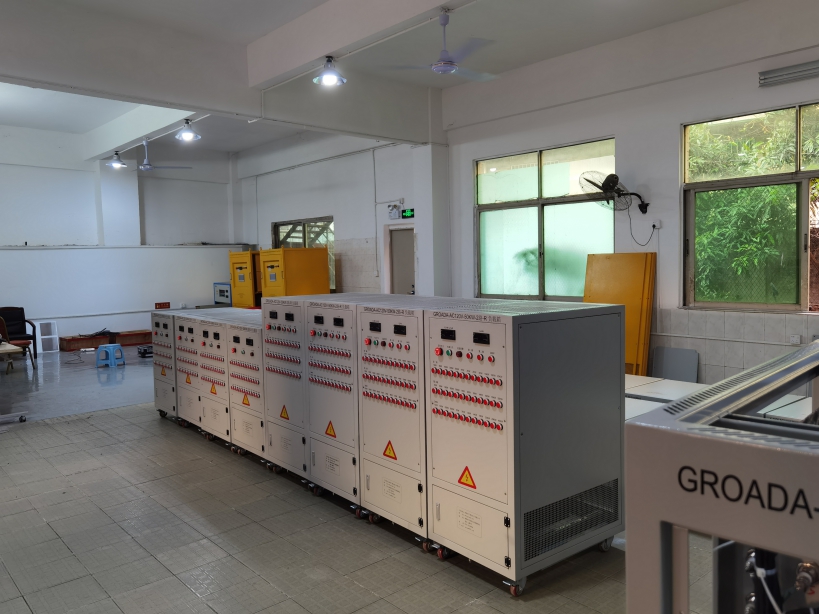
However, common issues arise when users neglect thermal management. Overheating due to inadequate airflow or incorrect duty cycle usage can damage resistor blocks. According to IEEE Std 1159, excessive harmonics from non-linear loads may also affect measurement accuracy unless the load bank includes harmonic filtering. Additionally, improper grounding or missing E-STOP functionality compromises safety during high-current tests.
Recent trends show a shift toward smart load banks with IoT-enabled remote monitoring and cloud-based logging. This allows operators to perform predictive maintenance and analyze historical load profiles. An anonymized case study from a wind farm project in Germany demonstrated that continuous load testing improved generator synchronization with the grid by 15%, reducing tripping incidents during peak generation hours.
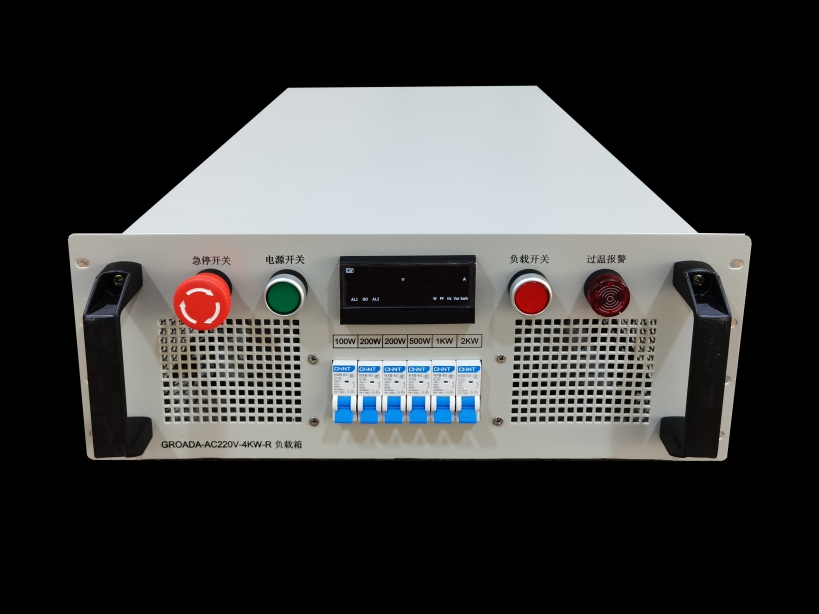
To ensure longevity, regular calibration (every 12 months) and inspection of fan blades, contactors, and cooling ducts are recommended. Most manufacturers suggest replacing resistor blocks every 5–7 years depending on usage intensity. These practices align with ISO 9001 quality standards and significantly reduce unexpected failures.