
Portable load banks are essential tools for validating generator performance, ensuring grid compatibility, and supporting renewable energy integration. These devices simulate real-world electrical loads to test power systems under controlled conditions, making them indispensable in industries such as construction, oil & gas, telecommunications, and microgrid development. A typical portable resistive load bank can handle up to 500 kW at 480 V three-phase, with adjustable power factor from 0.8 lagging to 1.0 leading—enabling comprehensive testing of diesel or natural gas generators before deployment.
One key advantage is their role in factory acceptance testing (FAT), where a simulated 100% load over 2–4 hours helps verify mechanical integrity and thermal stability, as per IEC 60034-1 standards for motor and generator testing. In wind farm commissioning, portable reactive load banks allow engineers to test dynamic voltage regulation during grid synchronization, preventing instability that could lead to tripping. Similarly, data centers use combination RLC load banks to validate uninterruptible power supply (UPS) systems under both active and reactive load profiles—a critical step for mission-critical infrastructure.
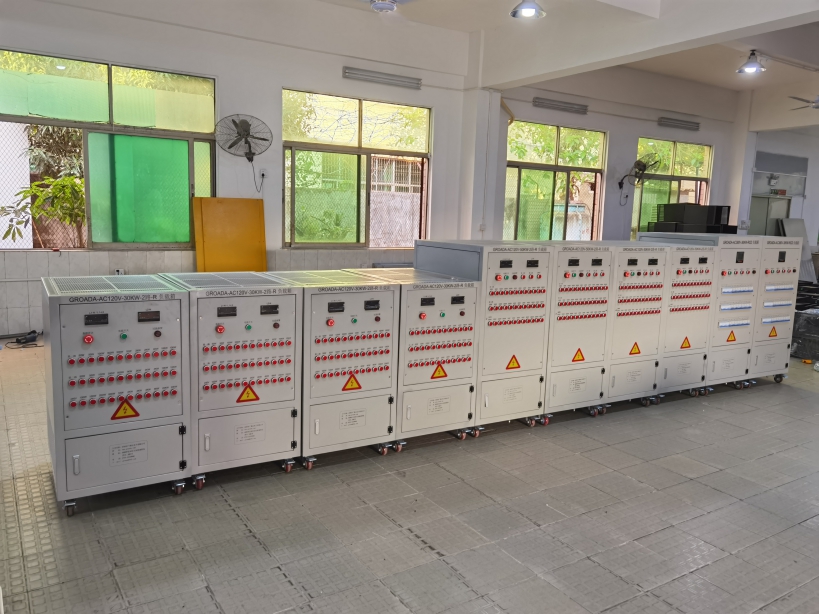
Common problems include inadequate cooling in high ambient temperatures (>40°C), which may cause overheating and reduced efficiency. Engineers must ensure proper airflow (minimum 3 m/s across resistor blocks) and avoid operation in enclosed spaces without ventilation. Another issue is inaccurate power measurement due to uncalibrated sensors; annual calibration using a reference meter traceable to NIST standards is recommended.
Recent trends include IoT-enabled remote monitoring via Modbus TCP/IP and cloud dashboards, allowing real-time tracking of temperature, current, and power factor. This improves safety by reducing on-site personnel exposure during extended tests. Additionally, hybrid load banks that combine resistive and capacitive elements now support smart grid applications requiring harmonic compensation and reactive power management.
An anonymized case study from a mining site in Australia showed that using a 300 kW portable load bank for weekly generator tests reduced unscheduled downtime by 45% over six months, highlighting the operational value of consistent load testing.









