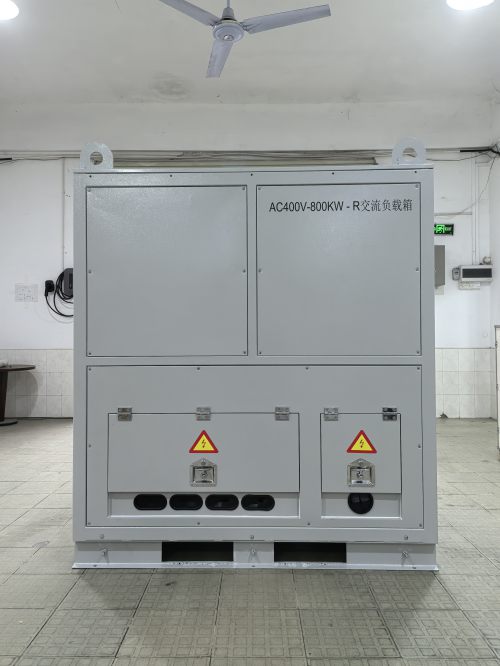
A custom resistive load bank is an essential tool for validating the performance and reliability of power generation systems—from diesel generators to renewable energy inverters. Unlike standard off-the-shelf models, a customized resistive load bank is engineered to match specific voltage levels, power ratings, phase configurations (single or three-phase), and environmental conditions such as ambient temperature or altitude. This tailored approach ensures accurate testing under real-world operational scenarios, which is critical for applications like factory acceptance tests (FAT), grid interconnection verification, and emergency backup system validation.
Resistive load banks simulate electrical loads by converting electrical energy into heat through precision resistor elements. They are widely used in generator load testing because they provide stable, predictable resistance across all phases—making them ideal for measuring output stability, fuel efficiency, and cooling system effectiveness. Modern custom units often feature digital control systems with Modbus or Ethernet interfaces, allowing remote monitoring of key parameters including voltage, current, active power (kW), and power factor. Some models even integrate thermal sensors and automatic shutdown features to prevent overheating during prolonged high-load tests.
The customization process typically begins with detailed engineering input from the client—such as required test duration, peak load profile, and integration with existing control systems. Based on this data, manufacturers design load banks that not only meet technical specifications but also optimize portability (with forklift pockets or lifting eyes) and safety compliance (CE, UL, CCC). For example, a 500 kW three-phase resistive load bank designed for offshore wind farm commissioning may require water-cooled heat dissipation and IP65-rated enclosures for harsh marine environments.
In our experience, customers who invest in customized solutions see significant improvements in test accuracy and equipment lifespan. Whether for a hospital’s backup generator or a data center’s UPS system, a properly sized and configured resistive load bank ensures that the power source can handle actual load demands without unexpected failures. As demand grows for resilient and smart power infrastructure, especially in microgrid and hybrid energy projects, custom resistive load banks remain indispensable for safe, repeatable, and standardized testing protocols.