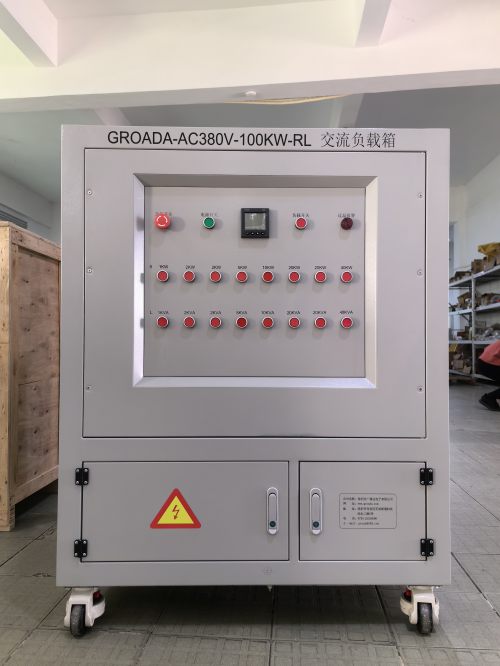
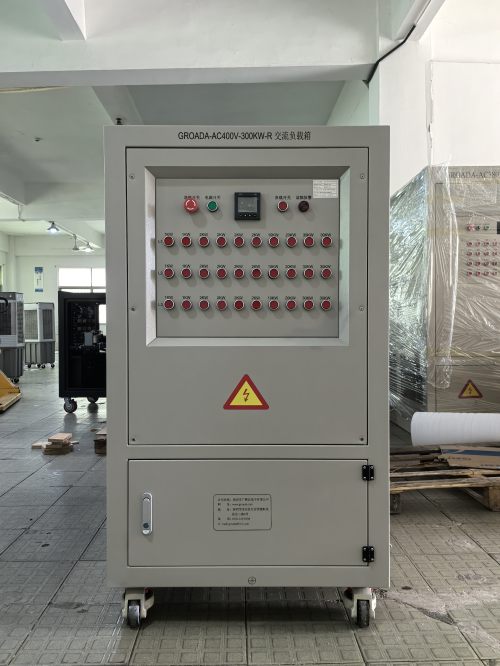
Load banks are essential tools used in the testing, commissioning, and maintenance of electrical power systems—especially generators, UPS units, and renewable energy sources like wind turbines and solar inverters. These devices simulate real-world electrical loads to verify system performance under various conditions, ensuring reliability before critical operations begin.
A resistive load bank is the most common type, offering a purely real-power (watt) load that mimics the behavior of incandescent lighting, heating elements, or industrial motors during startup. It provides stable and predictable results, making it ideal for factory acceptance tests (FAT), generator sizing validation, and routine preventive maintenance. For more complex applications, reactive load banks introduce inductive or capacitive components to simulate the lagging or leading power factors found in motors, transformers, and electronic drives. A combination RLC (Resistive-Inductive-Capacitive) load bank allows full spectrum simulation—ideal for comprehensive grid integration testing of microgrids or hybrid power systems.
Modern load banks often include advanced control features such as remote monitoring via Modbus, Ethernet, or CAN bus interfaces, enabling automated load ramping, real-time data logging, and integration with SCADA systems. Cooling methods vary—from air-cooled fans for portable units to water-cooled designs for high-power continuous-duty applications. Safety is paramount; therefore, certified models comply with IEC 60034-1 (for motor testing) and IEEE Std 1159 (power quality standards), featuring overtemperature protection, emergency stop mechanisms, and grounding compliance per UL/CE/CCC regulations.

Field examples demonstrate their effectiveness: an anonymized case study from a hospital backup generator test showed 100 kW load applied at 80% PF for 4 hours revealed voltage regulation issues not visible under light-load operation—leading to timely rectification before actual power failure. Another simulated example involving a 2 MW wind farm connected to a regional grid confirmed that dynamic load response time improved by 35% after adjusting reactive compensation using a programmable RLC load bank.
Proper calibration every 12 months and regular inspection of resistor blocks, cooling fans, and connectors ensure long-term accuracy and operational safety. These tools are indispensable for engineers working in energy infrastructure, industrial automation, and utility-scale projects worldwide.