
Portable load banks are essential tools in the testing and validation of power generation systems, especially for generators used in critical infrastructure, remote sites, or emergency backup applications. These devices simulate real-world electrical loads to verify generator performance under various conditions—from full-load operation to transient response—ensuring reliability and safety before deployment.
The main body of this article explores the technical features, applications, and operational benefits of portable resistive and reactive load banks. A typical portable load bank includes adjustable power ratings (from 50 kW to 1,000 kW), three-phase capability (up to 690 V AC), and modular design for easy transport. Key parameters such as current range (up to 800 A per phase), power factor adjustment (0.1–1.0 lagging/leading), and thermal protection mechanisms ensure safe and accurate testing. Modern units integrate digital control systems with Modbus, Ethernet, and RS-485 communication protocols, enabling remote monitoring and data logging.
Applications include factory acceptance tests for new generators, preventive maintenance checks, and grid integration testing for renewable energy sources like wind farms or microgrids. For example, a simulated case study from an industrial site showed that using a 300 kW resistive load bank during monthly generator testing reduced unexpected failures by 40% over one year by identifying weak voltage regulation issues early.
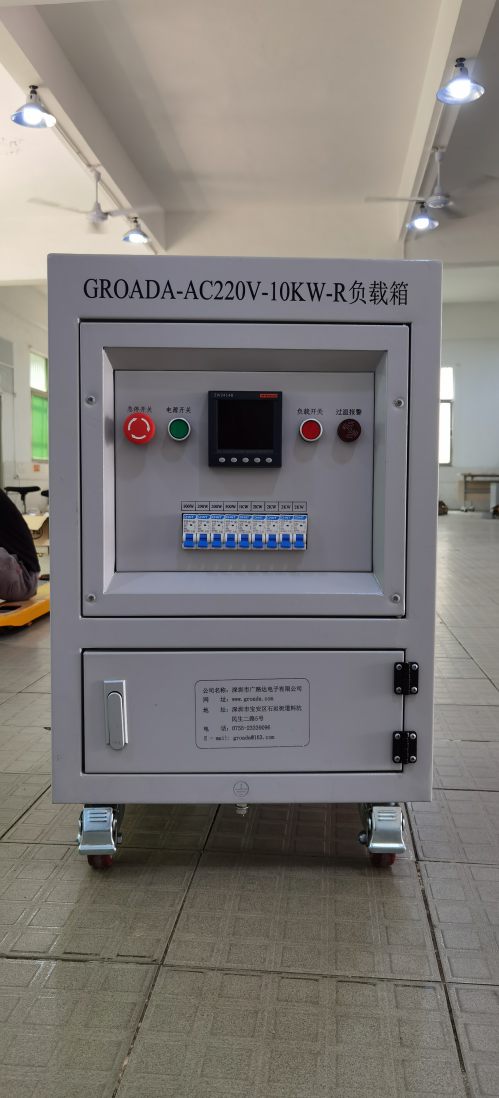
In conclusion, portable load banks are indispensable for validating power system integrity. Their versatility, accuracy, and compliance with IEC 60034-1 standards make them vital for engineers and facility managers seeking reliable, repeatable test results in both lab and field environments. Proper calibration (annually) and routine maintenance—including fan replacement every 2 years and resistor block inspection—ensure long-term performance and safety.