
When evaluating the cost of a 30 kW load bank, it's essential to consider not just the initial purchase price but also long-term performance, safety features, and application-specific requirements. A 30 kW load bank is commonly used for testing generators, UPS systems, and renewable energy sources such as solar or wind inverters under controlled conditions. These devices simulate real-world electrical loads to ensure system reliability, especially in critical infrastructure like hospitals, data centers, and industrial facilities.
The price of a 30 kW load bank can vary significantly depending on several factors. First, the type of load bank—resistive, reactive, or combination (RLC)—plays a major role. Resistive load banks, which convert electrical energy into heat, are typically the most affordable and straightforward for basic generator testing. Reactive load banks, often used with inductive or capacitive loads, are more complex and thus costlier. Combination load banks offer flexibility by simulating both resistive and reactive components, making them ideal for comprehensive testing but at a higher price point.
Other cost influencers include portability, cooling method, and control system sophistication. For example, portable units with casters or lifting eyes may be priced higher due to enhanced mobility features. Air-cooled models are standard, while water-cooled variants are used in high-duty-cycle environments and command premium pricing. Advanced digital controllers with Modbus or Ethernet communication interfaces add functionality but increase the total cost.
According to IEC 60034-1 and IEEE 1159 standards, proper load bank testing ensures motor and generator efficiency, power quality, and harmonic compliance. In one anonymized case study from a data center in Singapore, a 30 kW resistive load bank was used during factory acceptance testing (FAT) of a diesel generator. The test lasted 8 hours at full load, confirming stable voltage regulation within ±2% and no overheating issues—critical validation that justified the investment in the equipment.
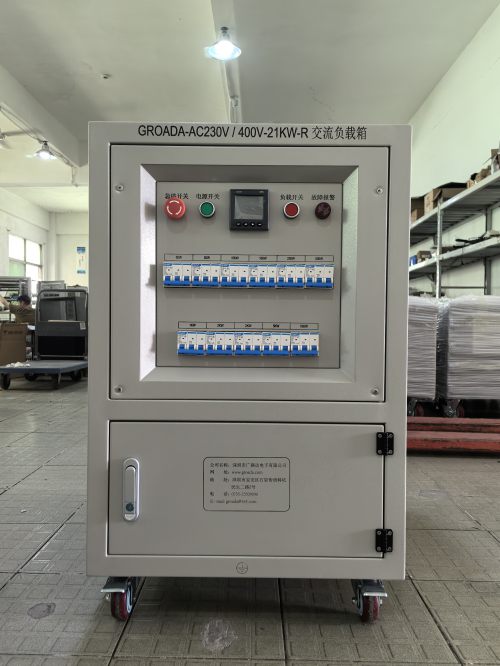
In terms of typical pricing, a basic 30 kW resistive load bank ranges from USD $4,000 to $7,000. High-end RLC models with remote monitoring capabilities can exceed $12,000. Buyers should also factor in calibration costs (every 12–24 months), spare parts (like resistor blocks and fans), and shipping logistics when comparing quotes.
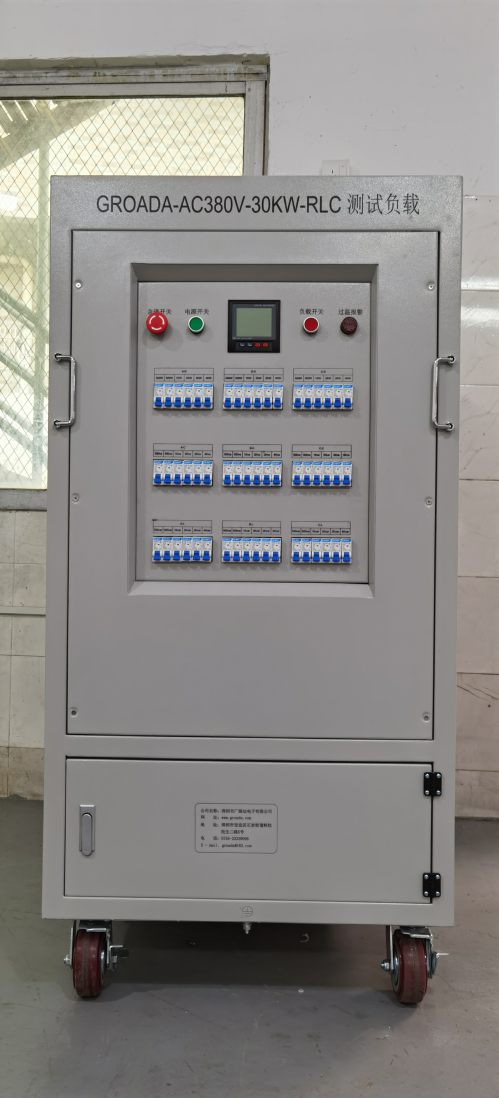
Ultimately, choosing a 30 kW load bank requires balancing budget constraints with technical needs. Whether for routine maintenance or commissioning new power systems, investing in a reliable unit ensures operational continuity and regulatory compliance.