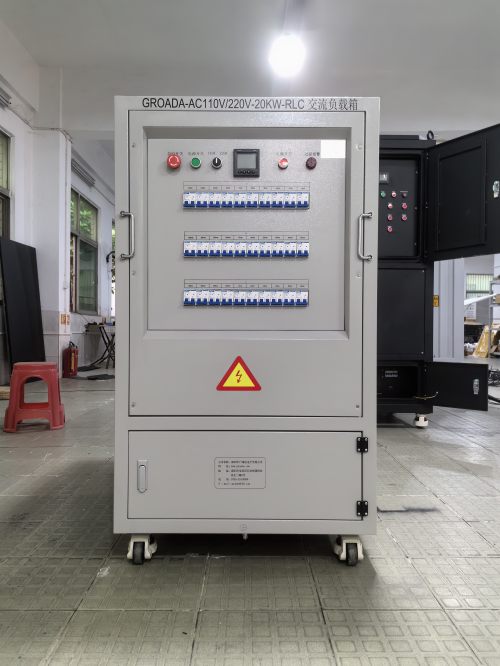
An annual load bank test generator is a critical component in ensuring the long-term reliability and performance of backup power systems, especially for generators used in critical infrastructure such as hospitals, data centers, and industrial facilities. This test simulates real-world electrical loads to verify that a generator can handle full or partial capacity under various conditions—including voltage stability, frequency regulation, and thermal management—without degradation over time.
The process typically involves connecting a resistive, reactive, or combination (RLC) load bank to the generator’s output terminals and gradually increasing the load from 25% to 100% of rated capacity over several hours. During this time, key parameters like fuel consumption, exhaust temperature, oil pressure, and alternator winding resistance are monitored using calibrated meters and data logging systems. According to IEC 60034-1, proper load testing helps prevent "cylinder wall glazing" and ensures consistent torque delivery, which is vital for mechanical integrity.
For portable or mobile applications, modern load banks often feature remote monitoring via Modbus TCP/IP or RS-485 protocols, allowing engineers to run tests without physical presence on-site. Some models also integrate automatic shutdown features when ambient temperatures exceed safe limits—complying with UL 1008 standards for electrical safety in commercial environments.
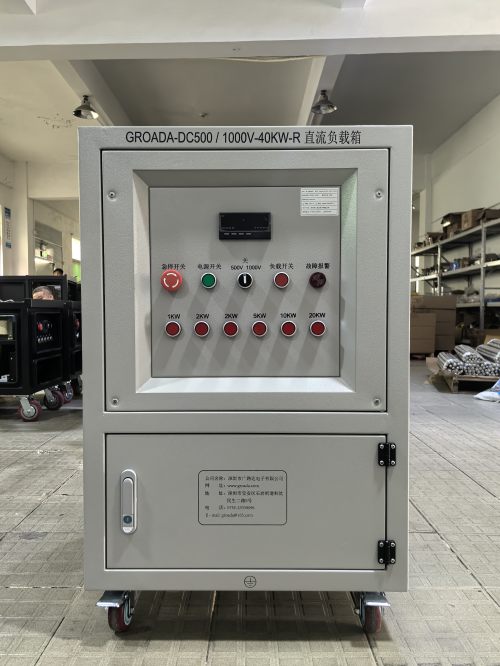
In an anonymized case study conducted at a 2 MW diesel generator installation in a U.S. hospital, annual load testing revealed a 7% drop in voltage regulation after 18 months of operation without regular load cycling. After implementing quarterly load tests using a three-phase resistive load bank, efficiency improved by 9%, and no unplanned outages occurred during subsequent grid failures.
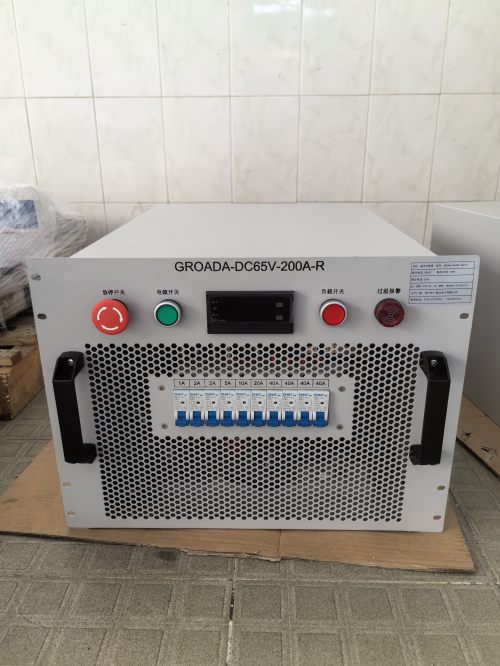
Such preventive maintenance practices align with best practices recommended by IEEE Std 1159-2019 for power quality assurance in mission-critical systems. Regular testing not only extends generator lifespan but also validates compliance with local regulatory requirements and insurance policies. Whether for factory acceptance testing (FAT), commissioning, or ongoing operational readiness, the annual load bank test generator remains indispensable.