Top OEM/ODM Load Bank Suppliers for American Clients
Selecting the right OEM/ODM load bank supplier is a strategic decision for American clients who need reliable power testing solutions. Whether you operate data centers, manage backup generator fleets, or maintain critical infrastructure, the load bank you deploy directly affects the accuracy of your commissioning tests and the long-term reliability of your standby power systems. This guide explains what to look for in a load bank manufacturing partner, why OEM/ODM sourcing makes sense for the U.S. market, and how to evaluate suppliers on the factors that matter most.
What Is a Load Bank and Why It Matters
A load bank is a device that creates an electrical load, applies it to a power source, and dissipates the resulting energy. It simulates the real-world demand that generators, UPS systems, and turbines will face in operation. Without load banks, engineers cannot confirm that a power source will perform under stress when it is needed most.
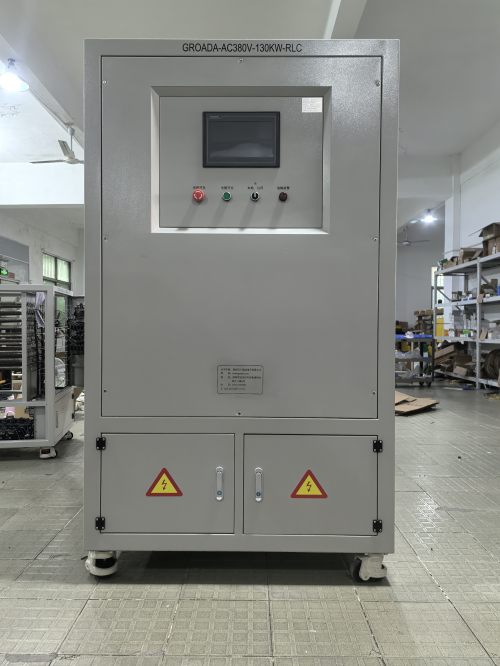
For American clients, load banks serve three core purposes. First, they verify the rated capacity of new generator installations during commissioning. Second, they prevent wet stacking in diesel generators by keeping engines running at optimal temperatures under sufficient load. Third, they support scheduled maintenance testing that keeps facilities compliant with standards such as NFPA 110 for emergency and standby power systems.
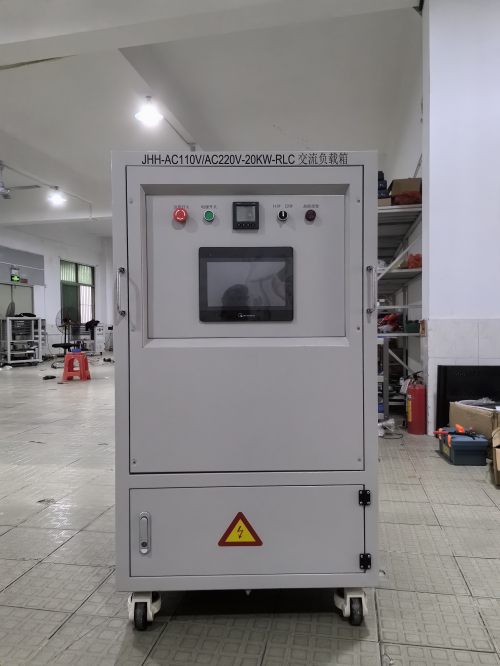
Understanding OEM and ODM Load Bank Sourcing
OEM (Original Equipment Manufacturer) and ODM (Original Design Manufacturer) models give American buyers flexible paths to custom load bank solutions. Under an OEM arrangement, the client provides specifications and branding while the manufacturer builds to those requirements. Under an ODM arrangement, the manufacturer contributes its own design expertise, offering proven platforms that the client can adapt and rebrand.
These sourcing models help distributors, system integrators, and equipment brands bring competitively priced load banks to market without building factories of their own. The right partner combines engineering depth, quality control, and responsive communication to deliver products that meet U.S. voltage standards, safety codes, and customer expectations.
Key Load Bank Types to Consider
Before evaluating suppliers, it helps to understand the main load bank categories. Each type suits different testing needs.
- Resistive load banks apply a purely resistive load at unity power factor. They are ideal for testing generator kW output and are the most common choice for standby power verification.
- Reactive load banks simulate inductive or capacitive loads, testing how a source handles power factor variations found in motors and transformers.
- Resistive/reactive combined load banks deliver realistic kVA testing by combining both load types, giving a complete picture of system performance.
- AC and DC load banks address specific applications, from turbine testing to battery and UPS validation.
A capable OEM/ODM supplier should offer expertise across these categories and help clients specify the correct configuration for each end use.
How to Evaluate OEM/ODM Load Bank Suppliers
Not all manufacturers deliver the same value. American clients should weigh the following criteria when choosing a partner.
Engineering and Design Capability
Strong suppliers maintain in-house engineering teams that can translate a concept into a manufacturable product. Look for partners who provide 3D design support, thermal management analysis, and control system development. The ability to customize enclosures, cooling methods, and control interfaces separates a true design partner from a simple contract assembler.
Compliance With U.S. Standards
Load banks sold in the American market must align with recognized standards. Confirm that products can be built to UL requirements and that designs account for NEC wiring practices, appropriate voltage ratings (208V, 480V, 600V), and 60 Hz frequency. Suppliers experienced with the U.S. market will already understand these expectations and design accordingly.
Quality Control and Testing
Every unit should undergo functional testing before shipment. Ask suppliers about their inspection procedures, calibration practices, and burn-in testing. A manufacturer with ISO 9001 certification and documented quality processes offers greater assurance that each load bank will perform as specified.
Customization Flexibility
The strength of the ODM model lies in adaptability. A good partner should accommodate custom control panels, remote monitoring, data logging, load step configurations, and branding. For clients serving niche applications, this flexibility is often the deciding factor.
Lead Times and Supply Chain Reliability
Consistent delivery matters as much as product quality. Evaluate a supplier's production capacity, component sourcing stability, and track record of meeting deadlines. Partners who maintain buffer inventory of critical components can better protect your project schedules against disruption.
After-Sales Support
Load banks are long-term assets. Reliable technical support, accessible spare parts, and clear warranty terms protect your investment. Prioritize suppliers who provide documentation, training resources, and responsive service teams that understand the needs of American clients across time zones.
Benefits of Partnering With an Experienced Supplier
Working with an established OEM/ODM load bank manufacturer delivers measurable advantages. Cost efficiency comes from optimized production and material sourcing. Faster time to market results from proven design platforms that require less development. Consistent quality flows from mature manufacturing processes. And scalability allows you to grow order volumes without sacrificing reliability.
For distributors and integrators, a dependable manufacturing partner becomes an extension of your own brand, allowing you to compete confidently in the U.S. power testing market.
Common Applications Across the American Market
Load banks support a wide range of industries throughout the United States. Data centers rely on them to validate redundant power systems and ensure uptime. Hospitals use them to test emergency generators required for patient safety. Utilities and independent power producers apply them during turbine and plant commissioning. Marine, oil and gas, and telecommunications operators depend on rugged load banks for field testing in demanding environments.
An OEM/ODM supplier that understands these diverse applications can tailor products to the specific operating conditions your customers face.
Making the Right Choice
Choosing a load bank supplier is about more than price. It is about finding a partner whose engineering, quality, compliance, and support align with your goals in the American market. Take time to request references, review sample builds, and confirm that the supplier communicates clearly and delivers consistently.
By focusing on the criteria outlined here, American clients can identify OEM/ODM load bank suppliers capable of delivering reliable, standards-compliant products that strengthen their brand and satisfy their customers. The right partnership turns a simple sourcing decision into a lasting competitive advantage.
Conclusion
The demand for accurate power testing continues to grow across the United States, driven by expanding data infrastructure, stricter reliability standards, and increasing reliance on backup power. Selecting a top OEM/ODM load bank supplier positions your business to meet that demand with confidence. Prioritize engineering strength, proven quality systems, U.S. standards compliance, and dependable support, and you will secure a manufacturing partner ready to support your success for years to come.