Top Load Banks with Intelligent Measurement & Control System
In modern power testing, backup generation, and renewable energy validation, the load bank has evolved from a simple resistive dummy load into a sophisticated testing platform. When paired with an intelligent measurement and control system, top-tier load banks deliver precise, repeatable, and fully traceable performance data that engineers rely on for critical decisions. This article explores the core technologies, measurement principles, and selection criteria behind high-performance load banks integrated with smart control architectures.
What Is a Load Bank and Why Precision Matters
A load bank is a device that applies an electrical load to a power source—such as a generator, UPS, battery bank, or turbine—to verify its capacity, stability, and efficiency under controlled conditions. Instead of relying on the actual downstream equipment, engineers use load banks to simulate real operating demand safely and consistently.
The quality of a load test depends heavily on measurement accuracy. A generator rated at 500 kW may perform differently under partial load, transient conditions, or sustained full load. Without accurate measurement of voltage, current, power factor, and thermal behavior, test results become unreliable. This is where an intelligent measurement and control system becomes essential, transforming raw load application into actionable engineering insight.
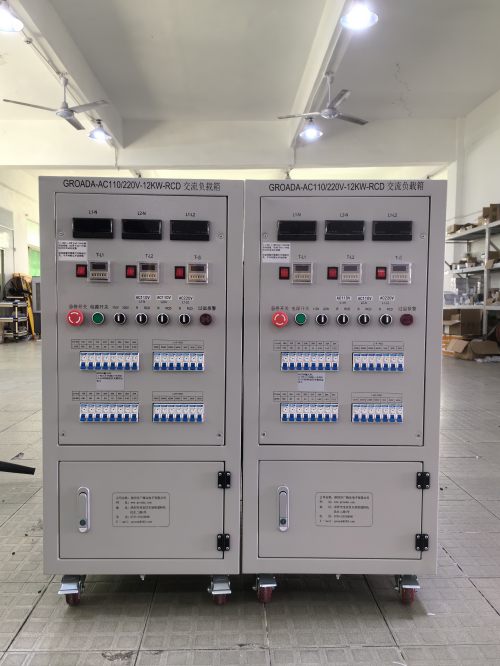
Core Components of an Intelligent Load Bank System
A top-performing load bank integrates several tightly coordinated subsystems. The load elements themselves—resistive, reactive, or a combination—determine the type of load applied. Resistive loads simulate real power (kW), reactive loads simulate inductive or capacitive demand (kVAR), and combined resistive-reactive units replicate realistic mixed loads seen in industrial environments.
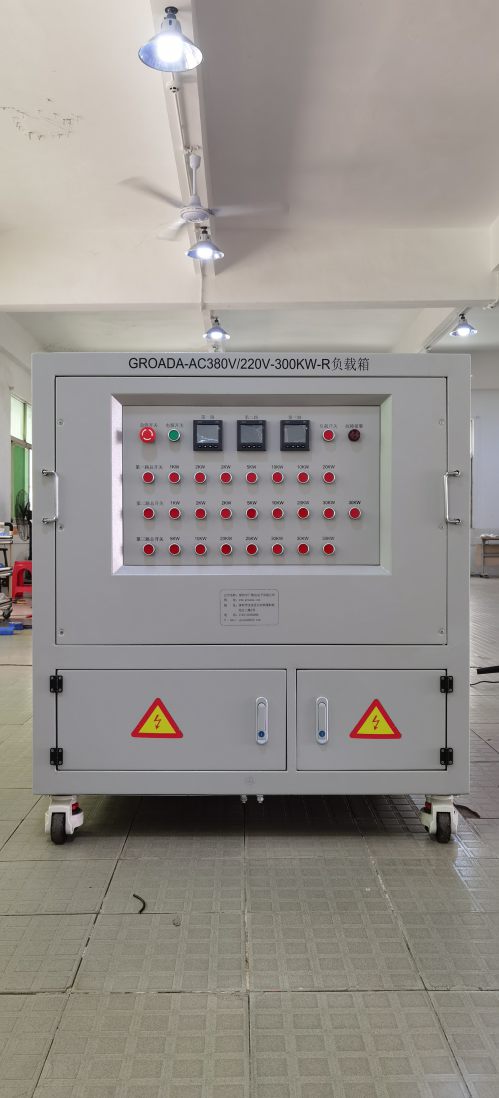
The intelligent control system serves as the brain of the unit. It manages load step activation, thermal protection, cooling fan regulation, and safety interlocks. Modern controllers use programmable logic and microprocessor-based architectures to sequence loads smoothly, avoiding damaging inrush currents or voltage dips.
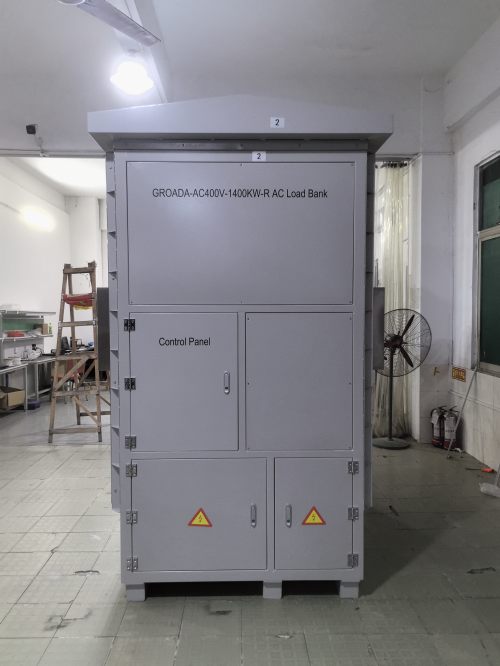
The measurement subsystem is the most critical element for data integrity. High-accuracy current transformers, voltage sensors, and power analyzers capture electrical parameters in real time. When integrated with precision transducers and calibrated sensing elements, the system delivers measurement uncertainty low enough for certification-grade testing.
The Role of Precision Sensing in Measurement Accuracy
Accurate load testing depends on sensors that maintain stability across wide temperature ranges and long duty cycles. Strain-based and precision electronic transducers used within advanced systems must exhibit minimal drift, high repeatability, and strong resistance to electromagnetic interference. In load banks that also monitor mechanical or force-related parameters—such as cooling system pressure or structural loading in large fan assemblies—high-quality sensing components ensure long-term reliability.
An intelligent control system continuously compares measured values against target setpoints, dynamically adjusting the applied load to maintain stability. This closed-loop feedback is what distinguishes a premium load bank from a basic manual unit. The controller can hold a generator at exactly 80% of rated capacity for hours, automatically compensating for temperature-induced resistance changes in the load elements.
Key Features of Top-Tier Intelligent Load Banks
Automated test sequencing: Engineers can program multi-step load profiles—for example, 25%, 50%, 75%, and 100% of rated load with defined dwell times. The system executes these steps automatically, removing human error and improving repeatability.
Real-time data acquisition: Voltage, current, frequency, power factor, kW, kVAR, and temperature are logged continuously. High sampling rates capture transient events that manual instruments would miss.
Remote monitoring and control: Ethernet, RS-485, and wireless interfaces allow operators to supervise tests from a safe distance or from a central control room. This is especially valuable during high-power tests where proximity poses safety risks.
Data reporting and traceability: Automated report generation with timestamped data supports compliance with standards such as IEEE, IEC, and NFPA. Traceable calibration records ensure results are defensible during audits.
Thermal and safety protection: Integrated sensors monitor element temperature, airflow, and cabinet conditions. If cooling fails or an over-temperature condition occurs, the system sheds load automatically to prevent damage.
Applications Across Industries
Data centers use load banks to commission and periodically test backup generators and UPS systems, ensuring uninterrupted power for critical servers. Marine and offshore platforms rely on them to validate onboard power plants under simulated operating loads. In the renewable sector, load banks test battery energy storage systems and verify inverter behavior under controlled conditions.
Utility and turbine manufacturers apply load banks during factory acceptance testing, confirming that new generation equipment meets specified performance before shipment. In each case, the intelligent measurement and control system provides the accuracy and automation needed to certify equipment with confidence.
How to Select the Right Intelligent Load Bank
Begin by defining the required capacity and load type. Purely resistive units suit generator kW testing, while resistive-reactive units are necessary for realistic power factor testing. Match voltage and frequency ratings to the source under test.
Evaluate measurement accuracy specifications carefully. Look for stated uncertainty on power measurements, sensor calibration intervals, and data logging resolution. A superior control system should offer both local and remote operation, programmable test profiles, and secure data export.
Consider cooling method and environmental rating. Forced-air cooled units are common, but the design must handle sustained full-load operation without thermal derating. For outdoor or harsh environments, enclosure protection ratings matter significantly.
Finally, assess integration flexibility. The best systems support open communication protocols, allowing seamless connection to SCADA platforms, energy management systems, or custom test benches.
The Future of Intelligent Load Testing
As power systems grow more complex with distributed generation, storage, and microgrids, load banks are advancing accordingly. Emerging systems incorporate predictive analytics, using historical test data to forecast equipment degradation. Cloud-connected platforms enable fleet-wide monitoring, while advanced algorithms optimize test sequences for efficiency and accuracy.
The integration of high-precision sensing, intelligent control, and data analytics is redefining what a load bank can achieve. No longer just a testing tool, it becomes a strategic asset for ensuring power reliability across critical infrastructure.
Conclusion
Top load banks equipped with intelligent measurement and control systems represent the convergence of precision sensing, automated control, and comprehensive data management. By delivering accurate, repeatable, and traceable results, they empower engineers to validate power systems with confidence. Whether commissioning a new generator, certifying a UPS, or testing an energy storage system, choosing a load bank with a robust intelligent control architecture is a decision that pays dividends in reliability, safety, and long-term performance.









