Anti-corrosion Weather-resistant Load Bank Manufacturers in the US
In demanding industrial environments—coastal power stations, offshore platforms, chemical plants, and outdoor testing facilities—standard equipment often fails prematurely due to corrosion, humidity, and extreme temperature swings. For engineers and procurement teams across the United States, choosing anti-corrosion weather-resistant load banks is not a luxury; it is a necessity for long-term reliability and safety.
This white paper explores what defines a high-quality weather-resistant load bank, the core technologies that ensure durability, and how to select the right US manufacturer for your application.
🔍 Quick Insight: A truly weather-resistant load bank combines corrosion-resistant materials, sealed enclosures, and intelligent thermal management—delivering stable performance even in salt-fog and high-moisture conditions.
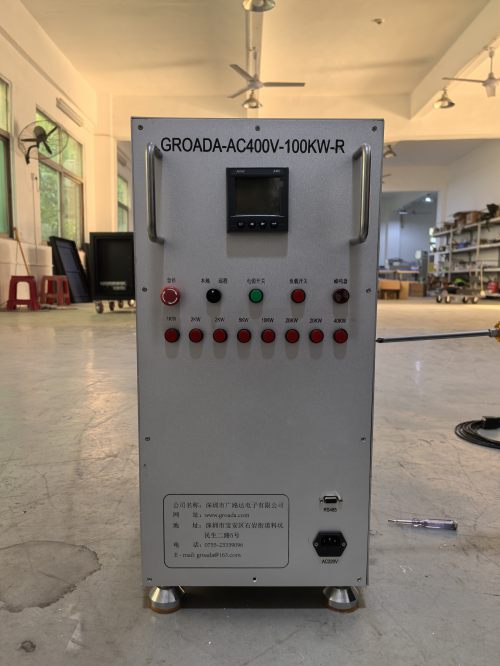
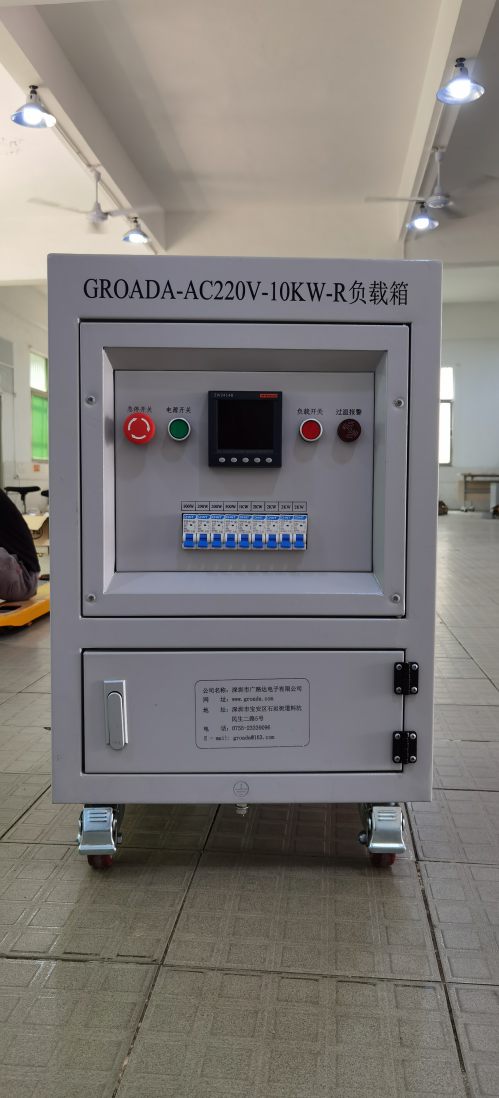
Why Anti-corrosion and Weather-resistance Matter
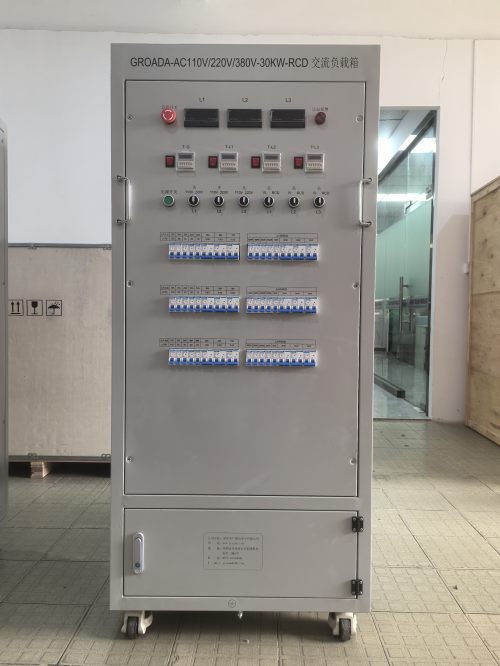
Load banks are essential for testing and commissioning generators, UPS systems, batteries, and turbines. When deployed outdoors or in harsh environments, they face constant threats:
- 🌊 Salt and moisture corrosion that degrades metal frames and electrical connections.
- 🌡️ Temperature extremes causing material fatigue and component failure.
- 💨 Dust and particulate ingress that reduces cooling efficiency.
- ☔ Rain and UV exposure that accelerates surface deterioration.
Without proper protection, load banks can experience reduced accuracy, unexpected downtime, and shortened service life. This is where specialized US manufacturers add tremendous value.
Core Technologies Behind Weather-resistant Load Banks
⚙️ Engineering Focus: The best-in-class load banks integrate multiple protective layers—from material selection to enclosure design—to guarantee performance in the field.
1. Corrosion-resistant Materials
Leading manufacturers use 304 or 316 stainless steel, marine-grade aluminum, and powder-coated finishes. Stainless steel resistive elements and corrosion-proof terminals ensure that the load bank withstands salt-fog exposure common in coastal and marine installations.
2. Sealed and Ventilated Enclosures
Enclosures rated NEMA 3R, NEMA 4, or IP55/IP66 protect internal components from rain, dust, and moisture while maintaining sufficient airflow. Smart louver designs and filtered intakes balance protection with efficient heat dissipation.
3. Advanced Thermal Management
High-efficiency cooling fans, temperature-controlled airflow, and heat-resistant wiring insulation keep the unit operating safely. Automatic thermal shutdown and airflow monitoring add an extra layer of protection against overheating.
4. Robust Electrical Protection
Integrated surge protection, moisture-resistant control panels, and sealed connectors ensure electrical integrity even under condensation and high-humidity conditions.
Key Features to Look For in a US Manufacturer
When selecting an anti-corrosion weather-resistant load bank supplier in the United States, consider the following criteria:
✅ UL and CSA Certification for verified safety compliance.
✅ Custom Enclosure Options matched to your NEMA/IP rating needs.
✅ Wide Load Range — resistive, reactive, and combined resistive/reactive designs.
✅ Remote Monitoring & Control for outdoor and unattended operation.
✅ Proven Field Reliability in marine, oil & gas, and power sectors.
Application Industries
Weather-resistant load banks are trusted across a wide range of demanding sectors:
- 🛢️ Oil & Gas Platforms — offshore testing in salt-heavy environments.
- ⚡ Power Generation — outdoor generator and turbine commissioning.
- 🚢 Marine & Shipbuilding — reliable performance in high-humidity conditions.
- 🏭 Data Centers — UPS and backup power validation.
- 🔋 Renewable Energy — solar and battery storage system testing.
How to Evaluate Product Quality
Before purchasing, request detailed technical documentation and verify the following:
Material Certifications
Confirm the grade of stainless steel and coating specifications used in the enclosure and resistive elements.
Environmental Ratings
Ensure the NEMA/IP rating matches your installation environment—coastal, desert, or arctic conditions each require different protection levels.
Salt-fog Test Reports
Reputable manufacturers provide salt-spray test results (ASTM B117) demonstrating long-term corrosion resistance.
Warranty and Support
Look for extended warranties, responsive technical support, and readily available replacement parts within the US.
💡 Pro Tip: Always request a site-specific consultation. A qualified manufacturer will assess your environmental conditions and recommend the optimal enclosure and cooling configuration.
Why Choose US-based Manufacturers
American load bank manufacturers offer distinct advantages for buyers seeking durability and reliability:
- 🏆 Strict Quality Standards — compliance with UL, CSA, and NEC regulations.
- 🔧 Local Technical Support — faster response and on-site service.
- 📦 Reliable Supply Chain — shorter lead times and readily available parts.
- 🛠️ Custom Engineering — tailored designs for unique environmental challenges.
Conclusion
Investing in an anti-corrosion weather-resistant load bank from a trusted US manufacturer ensures dependable performance, extended service life, and reduced total cost of ownership—even in the harshest environments. By focusing on corrosion-resistant materials, proper environmental ratings, advanced thermal management, and certified quality, you can confidently select equipment that protects your critical power systems for years to come.
📞 Ready to specify your solution? Contact a qualified US load bank manufacturer to discuss custom weather-resistant designs tailored to your application requirements.









