High Precision Custom Test Load Bank Suppliers in America
In modern electrical testing, calibration, and power system validation, precision matters. High precision custom test load banks have become essential tools for manufacturers, utilities, data centers, and research laboratories that need reliable, repeatable results. This article explores what defines a quality test load bank, why customization is critical, and how to select the right supplier in America for your application.
What Is a Test Load Bank?
A test load bank is a device that creates an electrical load to simulate real operating conditions for power sources such as generators, uninterruptible power supplies (UPS), batteries, and turbines. By applying a controlled load, engineers can verify that a power system performs as expected under stress, confirming voltage stability, thermal behavior, and overall reliability.
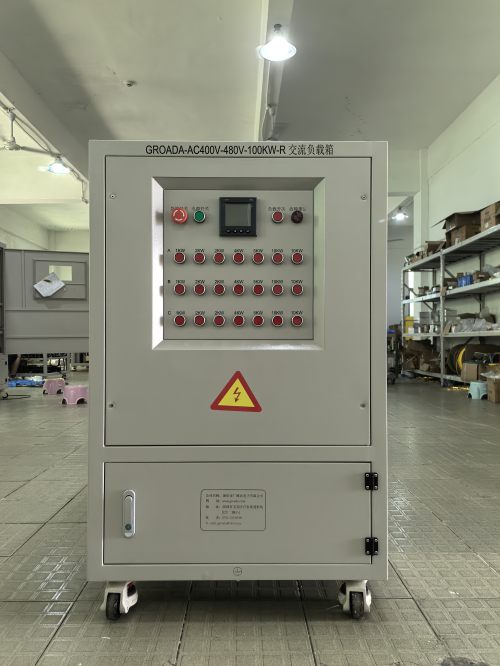
Load banks come in resistive, reactive, and resistive-reactive configurations. Resistive load banks apply a purely real power load and are common for generator testing. Reactive load banks simulate inductive or capacitive loads that mirror motors, transformers, and other real-world equipment. High precision test load banks combine accurate measurement instrumentation with stable load elements, delivering the fine control that calibration and validation tasks demand.
Why High Precision Matters
Standard load banks are suitable for routine commissioning, but high precision applications require far tighter tolerances. Calibration laboratories, sensor manufacturers, and load cell producers often need load steps accurate to fractions of a percent. A high precision test load bank provides stable, repeatable output so that measurement uncertainty stays low and test data remains trustworthy.
For load cell and force measurement applications, precision load banks help validate electronic signal conditioning, verify amplifier linearity, and confirm that data acquisition systems respond correctly across the full measurement range. When your product's accuracy is the selling point, the equipment used to test it must be even more accurate.
The Value of Customization
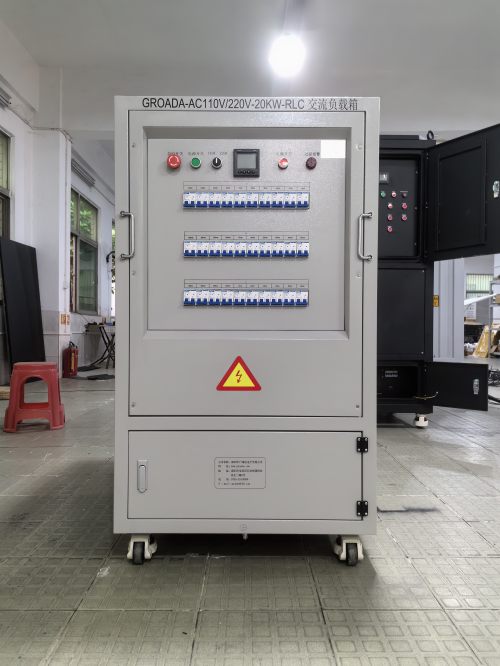
No two testing environments are identical. Voltage ranges, power ratings, cooling requirements, control interfaces, and physical footprints all vary from one facility to another. Custom test load bank suppliers in America design units that match specific technical requirements rather than forcing customers to adapt to off-the-shelf limitations.
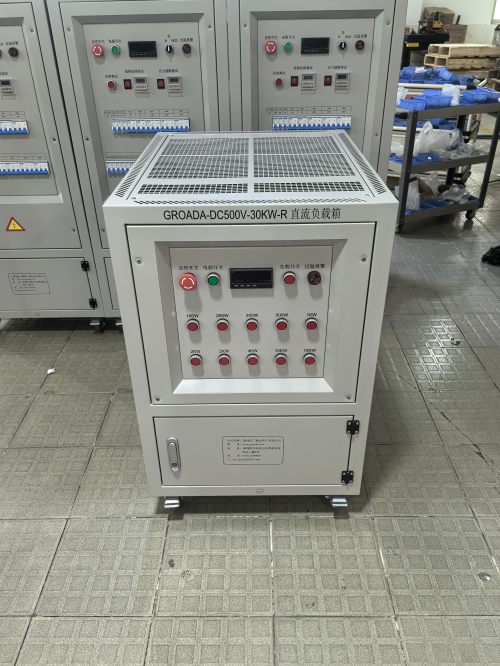
Common customization options include:
Adjustable load steps for fine resolution testing, allowing engineers to fine-tune the applied load in small increments. Integrated data logging and remote control through Ethernet, RS-485, or proprietary software interfaces. Custom voltage and current ratings to match single-phase or three-phase systems. Enhanced cooling systems, including forced-air or liquid cooling, for continuous high-power operation. Ruggedized enclosures for field deployment or portable trailer-mounted units for mobile testing teams.
Working with a supplier that offers true customization ensures the load bank fits your workflow, integrates with existing test benches, and scales as your requirements grow.
Key Features to Look For in a Supplier
Selecting the right high precision custom test load bank supplier involves more than comparing price sheets. Consider the following factors when evaluating manufacturers in America.
Engineering expertise is fundamental. A capable supplier employs electrical and mechanical engineers who understand load simulation, thermal management, and measurement science. This expertise allows them to translate your specifications into a reliable, safe design.
Quality control and certification signal reliability. Look for manufacturers that build to recognized standards and maintain traceable calibration for measurement components. Certifications such as ISO 9001 and NIST-traceable calibration demonstrate a commitment to accuracy and consistency.
Domestic manufacturing and support offer practical advantages. American suppliers provide shorter lead times, easier communication, and responsive technical support. Local service reduces downtime because repairs, recalibration, and spare parts move faster within the same region.
Application experience matters as well. A supplier familiar with your industry, whether power generation, aerospace, defense, or force measurement, will anticipate challenges and recommend proven solutions rather than starting from scratch.
Applications Across Industries
High precision custom test load banks serve a wide range of sectors. In power generation, they verify generator capacity and load response before deployment. Data centers rely on them to test UPS systems and backup power infrastructure, ensuring critical loads stay online during outages.
In aerospace and defense, precision load banks validate ground power units and onboard electrical systems. Battery manufacturers use programmable load banks to characterize cell performance, cycle life, and discharge behavior. For load cell and sensor manufacturers, custom load banks support calibration rigs, endurance testing, and quality assurance across production batches.
How to Specify Your Custom Load Bank
Before contacting a supplier, gather your core requirements. Define the total power rating in kilowatts or kilovolt-amperes, the operating voltage, and whether you need single-phase or three-phase capability. Determine your required load resolution and step accuracy, since high precision work depends on fine control.
Next, consider control and data needs. Decide whether manual operation is sufficient or whether you need programmable sequences, automated test scripts, and remote monitoring. Finally, evaluate your environment. Indoor lab units differ significantly from outdoor or portable systems in terms of cooling, enclosure rating, and durability. Sharing these details early helps your supplier deliver an accurate quote and a design that fits the first time.
Partnering for Long-Term Success
A test load bank is a long-term investment in the quality and reliability of your testing operations. Choosing an American supplier that combines precision engineering, genuine customization, and dependable support protects that investment for years. The best partnerships extend beyond the initial sale to include calibration services, maintenance, and upgrades as your testing needs evolve.
Frequently Asked Questions
1. What is the difference between a standard and a high precision test load bank? A standard load bank is designed for general commissioning and generator testing with moderate tolerances. A high precision test load bank uses tighter component tolerances, calibrated instrumentation, and finer load resolution to support calibration, validation, and measurement applications where accuracy is critical.
2. Why should I choose a custom load bank instead of an off-the-shelf model? Custom load banks are built to match your exact voltage, power, control, and environmental requirements. This ensures seamless integration with your test setup, eliminates unnecessary features, and provides room to scale as your needs change.
3. What are the advantages of working with an American supplier? Domestic suppliers typically offer shorter lead times, easier communication, faster technical support, and quicker access to spare parts and recalibration services, all of which reduce downtime.
4. Can custom test load banks be programmed for automated testing? Yes. Many custom units include programmable controllers, automated test sequences, data logging, and remote monitoring through interfaces such as Ethernet or RS-485, enabling repeatable and hands-free testing.
5. What information do I need to provide to get an accurate quote? Provide your required power rating, operating voltage, phase configuration, load resolution, control and data requirements, and the intended operating environment. These details help the supplier design a unit that meets your specifications on the first build.