Dustproof Explosion-proof Industrial Load Bank Suppliers for US
Industrial facilities across the United States rely on load banks to test, commission, and maintain critical power systems. When those facilities operate in harsh environments filled with combustible dust, volatile gases, or airborne particulates, standard load banks fall short. Dustproof and explosion-proof industrial load banks are engineered to deliver accurate load testing while protecting personnel and equipment in hazardous locations. This article explains what these specialized load banks are, why they matter, how to select a reliable supplier for the US market, and the key certifications and features that distinguish quality products.
What Is a Dustproof Explosion-Proof Load Bank
A load bank is a device that applies an electrical load to a power source such as a generator, uninterruptible power supply, or battery system. It verifies that the source can deliver rated output under controlled conditions. In ordinary settings, resistive or reactive load banks operate with ventilated enclosures that dissipate heat freely into the surrounding air.
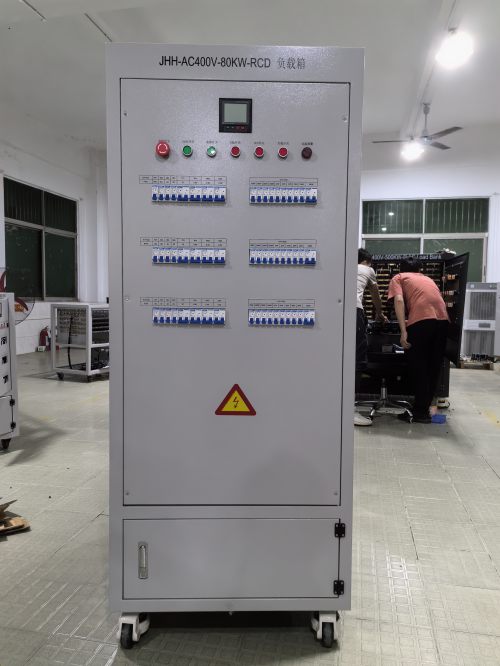
In hazardous environments, however, open ventilation and unsealed electrical components create serious risks. A dustproof explosion-proof load bank is built with sealed enclosures, flameproof housings, and controlled thermal management. It prevents ignitable dust from entering the electrical compartments and contains any internal spark or arc so it cannot ignite the surrounding atmosphere. These units allow oil refineries, chemical plants, grain processing facilities, mining operations, and offshore platforms to test power systems safely without relocating equipment or shutting down operations.
Why US Industrial Facilities Need Explosion-Proof Load Banks
The United States enforces strict workplace safety standards through OSHA and the National Electrical Code (NEC). Facilities classified under NEC Article 500 as Class I, Class II, or Class III hazardous locations must use equipment rated for those specific atmospheres. Using a conventional load bank in a Class I Division 1 area, for example, would violate safety codes and expose the site to catastrophic fire or explosion hazards.
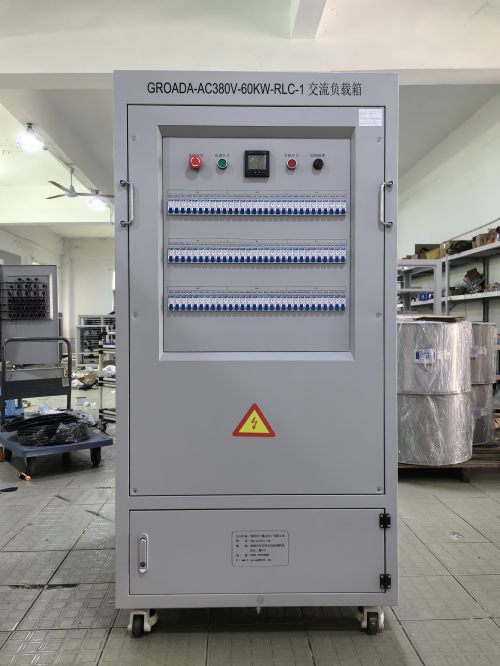
Regular load testing is not optional for many operations. Emergency generators serving hospitals, data centers, and industrial process controls must be exercised under load to confirm reliability. When those generators sit within or adjacent to hazardous zones, an explosion-proof load bank becomes the only compliant solution. Investing in properly rated equipment protects lives, avoids regulatory penalties, and preserves uptime for mission-critical systems.
Key Features to Look For
Not all explosion-proof load banks are built to the same standard. When evaluating products for demanding US applications, several features separate dependable equipment from marginal offerings.
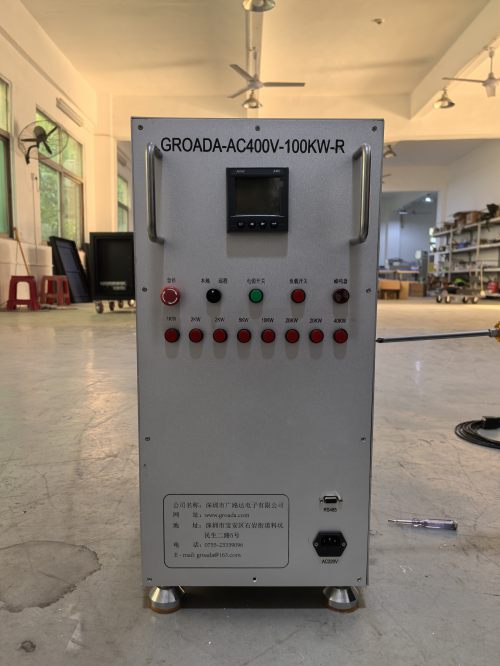
Certified hazardous-location enclosures. Look for enclosures rated to the appropriate NEC class and division, or the equivalent IECEx and ATEX zone classifications for international harmonization. The enclosure should carry a documented ingress protection rating such as IP66 or higher to guarantee dust-tight and water-resistant performance.
Flameproof and purged designs. Quality units use flameproof housings for switching components and may incorporate pressurization or purging systems that maintain a clean internal atmosphere. These designs contain internal ignition sources and prevent hazardous gases from contacting live parts.
Robust thermal management. Because sealed enclosures limit natural airflow, explosion-proof load banks require carefully engineered cooling. Finned heat exchangers, forced convection through sealed channels, and high-temperature resistor alloys keep components within safe limits without compromising containment.
Accurate load control. Precision resistive and reactive elements, digital metering, and programmable step control let technicians simulate real operating conditions. Remote monitoring and data logging support documentation for compliance audits.
Durable construction. Corrosion-resistant coatings, stainless hardware, and heavy-gauge steel frames extend service life in corrosive or coastal environments common to US petrochemical and marine sites.
How to Choose a Supplier for the US Market
Selecting the right supplier is as important as selecting the right product. A capable partner supports the entire lifecycle from specification through commissioning and long-term service.
Verify certifications and testing. A reputable supplier provides third-party certification documentation, factory acceptance test reports, and traceable material records. Certifications from recognized bodies confirm that the equipment meets the hazardous-location rating claimed on the nameplate.
Confirm US code compliance experience. Suppliers familiar with NEC, NFPA, and OSHA requirements can help match load bank ratings to your site classification. This guidance reduces the risk of specifying under-rated or over-engineered equipment.
Assess customization capability. Industrial applications rarely fit a catalog product exactly. Choose a supplier that can adjust load capacity, voltage range, enclosure configuration, and control interfaces to your specific generator, UPS, or battery system.
Evaluate lead time and logistics. Domestic stock, established freight relationships, and clear delivery commitments matter when a testing window is tied to a scheduled shutdown. Suppliers with US-based support respond faster to urgent requirements.
Review after-sales support. Calibration services, spare parts availability, technical training, and warranty terms all influence the total cost of ownership. A supplier committed to long-term support protects your investment far beyond the initial purchase.
Typical Applications
Dustproof explosion-proof load banks serve a wide range of American industries. Oil and gas facilities use them to commission generators and test emergency power in Class I areas. Chemical and pharmaceutical plants rely on them where solvent vapors are present. Grain elevators, flour mills, and sugar refineries face combustible dust hazards classified under Class II and require dust-ignition-proof designs. Mining operations, wastewater treatment plants, and offshore platforms round out the demand, each with its own environmental challenges that standard load banks cannot safely address.
Balancing Performance, Safety, and Cost
Explosion-proof equipment carries a higher initial cost than standard load banks because of the specialized enclosures, certified components, and rigorous testing involved. That premium reflects the value of preventing a single incident that could cost lives and shut down an entire facility. The most cost-effective approach is to match the equipment rating precisely to the hazardous classification of the installation, avoiding both dangerous under-specification and unnecessary over-specification. A knowledgeable supplier helps strike that balance while keeping compliance intact.
Frequently Asked Questions
1. What is the difference between a dustproof and an explosion-proof load bank?
A dustproof load bank is sealed to prevent combustible or fine dust from entering the electrical compartments, addressing Class II hazards. An explosion-proof load bank goes further by containing any internal spark or arc so it cannot ignite surrounding flammable gases or vapors, addressing Class I hazards. Many industrial units combine both protections.
2. Which certifications should a US hazardous-location load bank carry?
For the US market, the equipment should be rated to the appropriate NEC Article 500 class and division. Global projects may also require IECEx or ATEX zone ratings. A documented ingress protection rating such as IP66 confirms dust-tight and water-resistant performance.
3. Can I use a standard load bank in a hazardous area if I ventilate it well?
No. Ventilation does not remove the ignition risk from unsealed switching components and hot resistive elements. Using a non-rated load bank in a classified area violates NEC and OSHA requirements and creates a serious fire or explosion hazard.
4. How often should generators in hazardous areas be load tested?
Testing intervals depend on the application and governing standards, but many critical systems are exercised under load monthly or quarterly, with a full-capacity test at least annually. Consult NFPA guidance and your facility's maintenance policy for exact requirements.
5. Can suppliers customize load banks for specific US site conditions?
Yes. Capable suppliers adjust load capacity, voltage range, enclosure material, control interface, and cooling design to match your generator, UPS, or battery system and the environmental conditions at your site.









