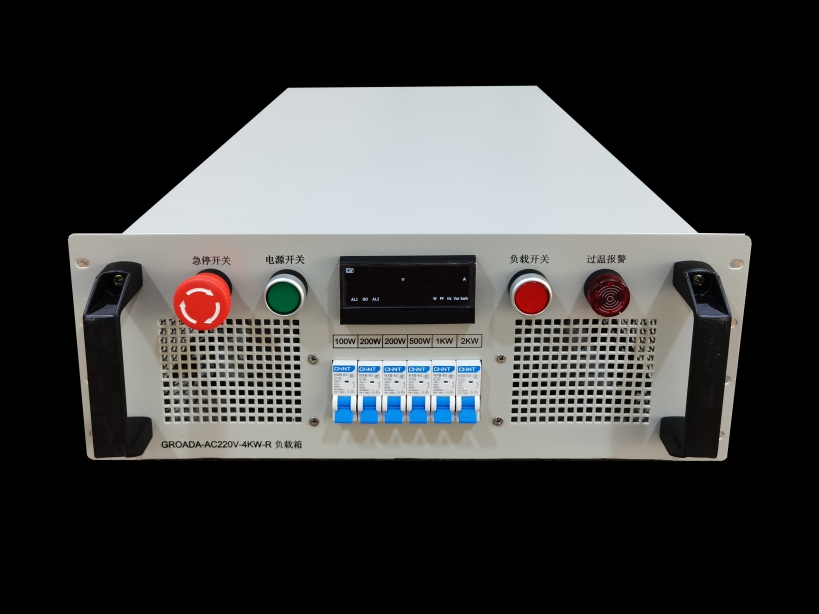
Resistive load banks are essential tools in the validation and maintenance of power generation systems, including diesel generators, natural gas engines, and uninterruptible power supplies (UPS). These devices simulate real-world electrical loads by converting electrical energy into heat through resistive elements, allowing engineers to test equipment under controlled conditions. A typical resistive load bank can handle from 50 kW up to several megawatts, with three-phase configurations commonly used in industrial and commercial settings.
Practical applications include factory acceptance testing (FAT) of new generators, periodic performance verification of backup systems, and commissioning of renewable energy installations such as wind farms or solar hybrid grids. For example, during a simulated case study at a data center, a 250 kW resistive load bank was used to validate the UPS system’s ability to maintain stable output under full load for 4 hours—confirming that battery capacity and inverter efficiency met design specifications.
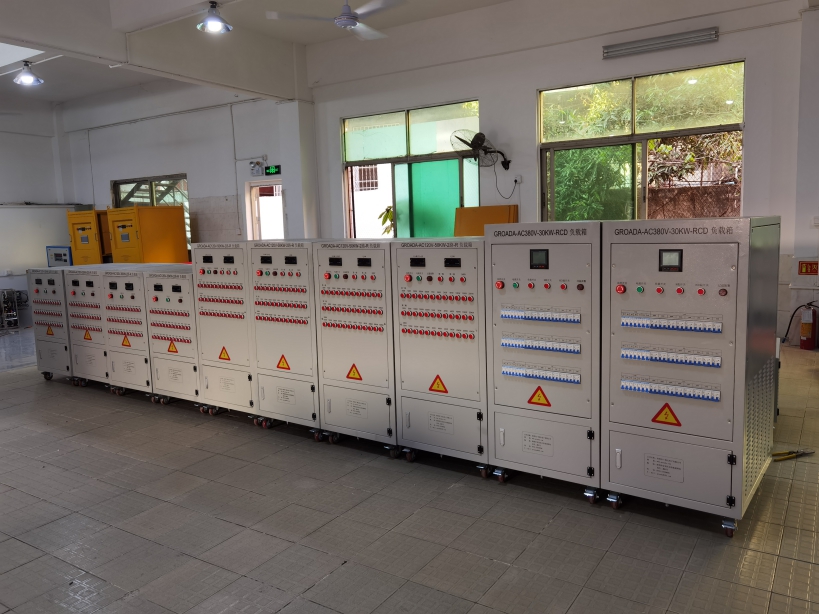
Advantages of using resistive load banks include simplicity, high accuracy in measuring active power (kW), and compatibility with most generator types. They are also relatively low-maintenance compared to reactive or capacitive alternatives. However, common problems may arise if thermal management is inadequate—such as overheating due to poor airflow or clogged filters—which can lead to premature failure of resistor blocks. Proper cooling methods (air or water-cooled) and regular inspection are critical for reliable operation.
Latest trends show a shift toward digital control systems integrated with IoT platforms, enabling remote monitoring via Modbus TCP or Ethernet protocols. This allows technicians to schedule tests, receive alerts, and analyze performance trends without being physically present. According to IEEE Std 1159-2019, proper load testing helps ensure power quality compliance, especially when integrating distributed energy resources into existing grids.
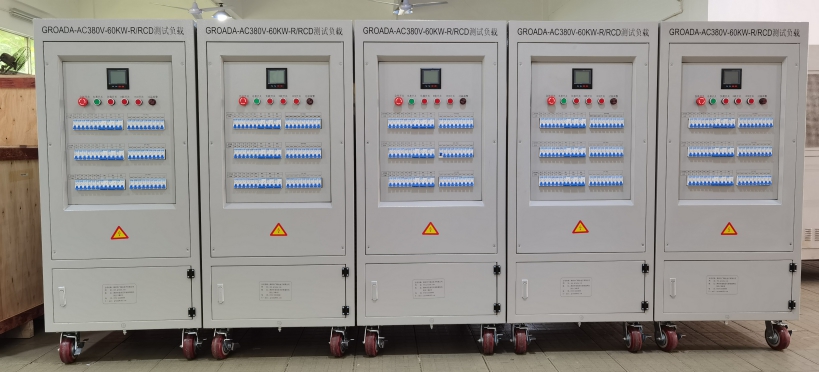
In summary, resistive load banks remain indispensable for ensuring system reliability across sectors—from hospitals requiring uninterrupted power to telecom infrastructure needing rigorous uptime validation. With advancements in automation and smart diagnostics, modern load banks now offer enhanced precision, safety, and operational flexibility.