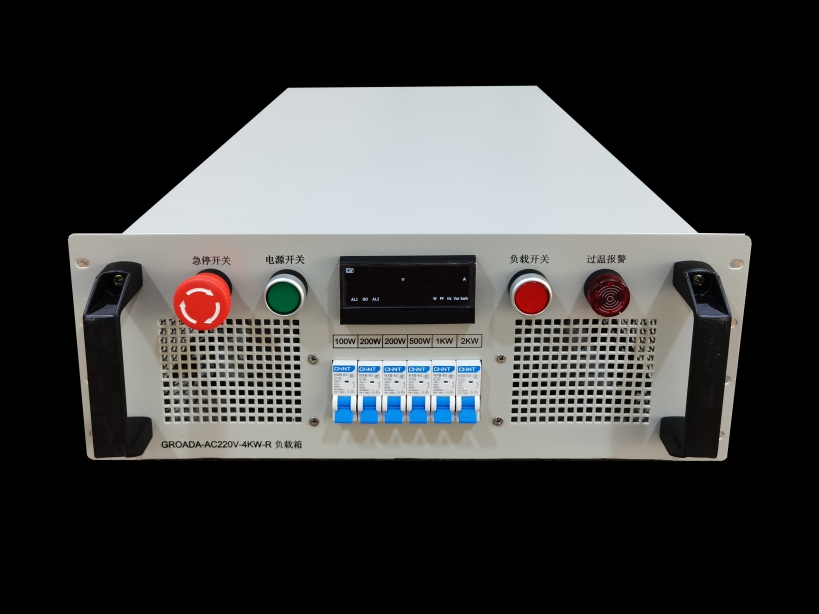
Portable load banks are essential tools for validating the performance, reliability, and safety of electrical power systems—especially generators used in industrial, commercial, and emergency backup applications. Unlike static or fixed load testing setups, portable load banks offer flexibility in installation, ease of transport, and adaptability to various site conditions. They simulate real-world electrical loads by drawing power from a source (e.g., diesel generator, UPS, or renewable system) and converting it into heat through resistive, reactive, or combined RLC circuits.
For engineers and maintenance teams, these devices ensure that a generator can deliver its rated output under full-load conditions without overheating, voltage drop, or mechanical stress. A well-executed load test confirms that the fuel system, cooling mechanism, alternator, and control panel all function as intended when under actual operating stress. According to IEC 60034-1, proper load testing is critical for motor and generator performance validation, particularly before commissioning or after major repairs.
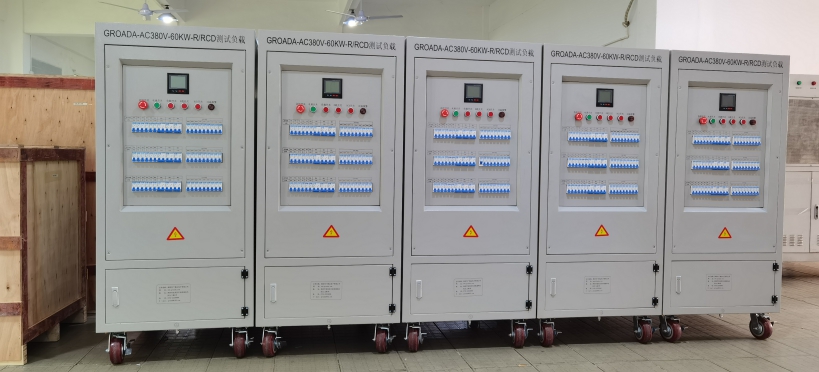
Modern portable load banks support three-phase operation, with typical ratings from 50 kW up to 2,000 kVA. Key features include adjustable power factor (from 0.8 lagging to 1.0), remote monitoring via Modbus or Ethernet, and thermal protection that prevents damage from excessive temperature rise. Air-cooled models dominate the market due to their simplicity, while water-cooled variants are preferred for high-power continuous duty applications such as wind farm grid connection tests or factory acceptance testing (FAT).
In one anonymized case study, a hospital’s standby generator was tested using a 300 kW resistive load bank over a 4-hour period. The test revealed a 3% voltage sag at full load—a deviation outside acceptable limits per IEEE 1159 standards. Post-adjustment of the governor settings resolved the issue, ensuring compliance with critical infrastructure uptime requirements. This example illustrates how load bank testing directly contributes to system integrity and regulatory compliance.
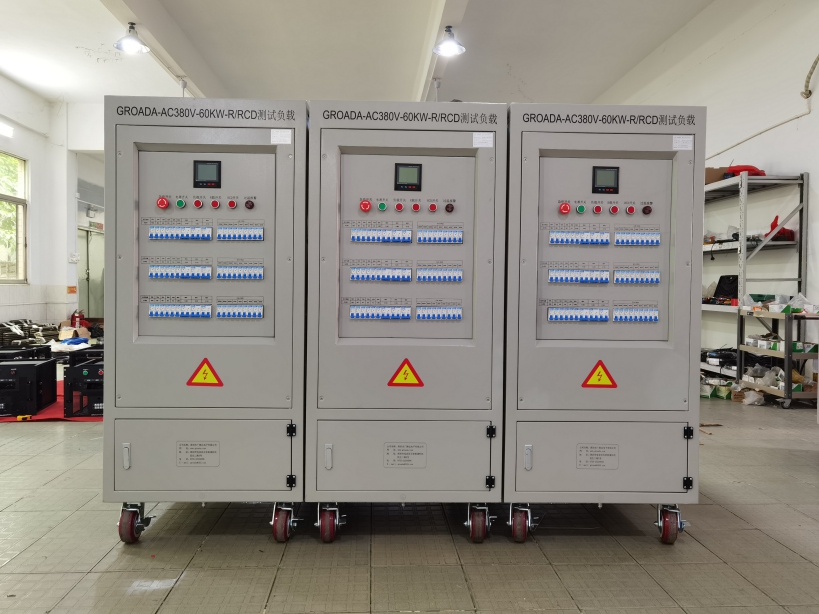
To maximize longevity and accuracy, regular calibration every 12 months and inspection of resistor blocks and fans are recommended. With certifications like CE, UL, and CCC, modern units meet global safety standards for both indoor and outdoor use. Whether used for routine maintenance, pre-commissioning checks, or grid interconnection verification, portable load banks remain indispensable in today’s energy-critical environments.