
Outdoor load banks operate in some of the harshest conditions any electrical test equipment will ever face. Direct sunlight, driving rain, dust storms, salt-laden coastal air, and wide temperature swings all place unique demands on the design and materials of a load bank. When you select a unit for outdoor commissioning, generator testing, or long-term standby power validation, thermal management and waterproof integrity are not optional extras. They are the two factors that most often decide whether the equipment survives its first field season or fails at the worst possible moment. This guide walks through the practical selection criteria that matter most for heat dissipation and water resistance, so you can match a load bank to the real environment it will work in.
Why Outdoor Conditions Change the Rules
Indoor load banks live in a controlled world. Ambient temperature stays within a comfortable band, humidity is managed, and there is no rain to worry about. Outdoor units enjoy none of that protection. A resistive load bank generates large amounts of heat by design, and when you place that heat source under a summer sun on a black asphalt pad, the surrounding air can climb well above the ratings that manufacturers assume for laboratory conditions. At the same time, the enclosure must keep water out during storms while still allowing enough airflow to reject heat. These two goals pull in opposite directions, and every good outdoor load bank represents a careful compromise between them.
Understanding this tension is the first step toward a smart purchase. If you buy purely on kilowatt rating and price, you may end up with a unit that trips on high-temperature days or corrodes within a year. Evaluating heat performance and waterproofing together gives you equipment that delivers rated capacity reliably across the full range of conditions your site will see.
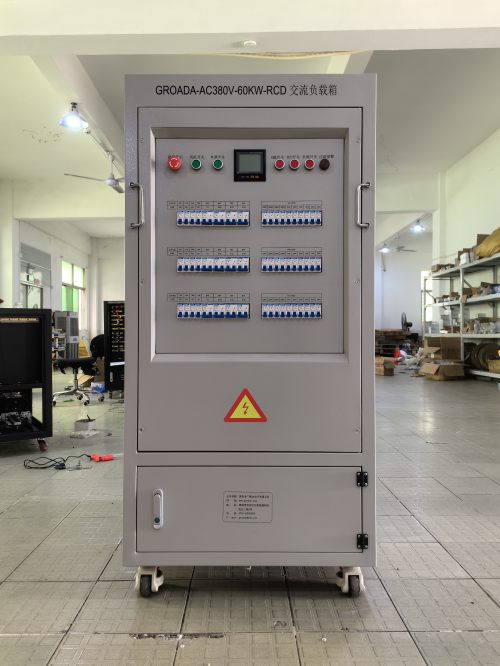
Thermal Management: Keeping Heat Under Control
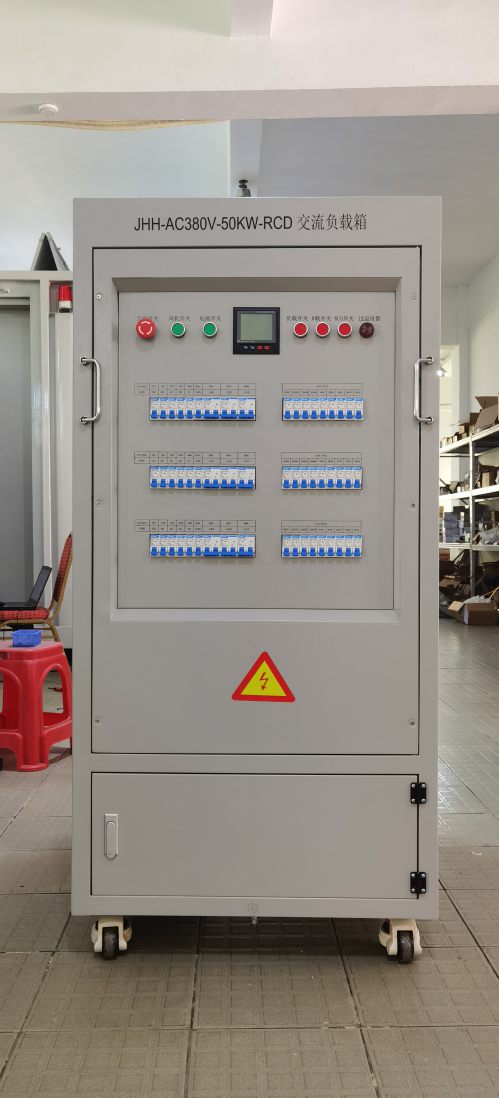
The core function of a resistive load bank is to convert electrical energy into heat, so the ability to move that heat away efficiently defines its real-world capacity. Several design elements determine how well a unit handles thermal load outdoors.
Airflow Design and Fan Capacity
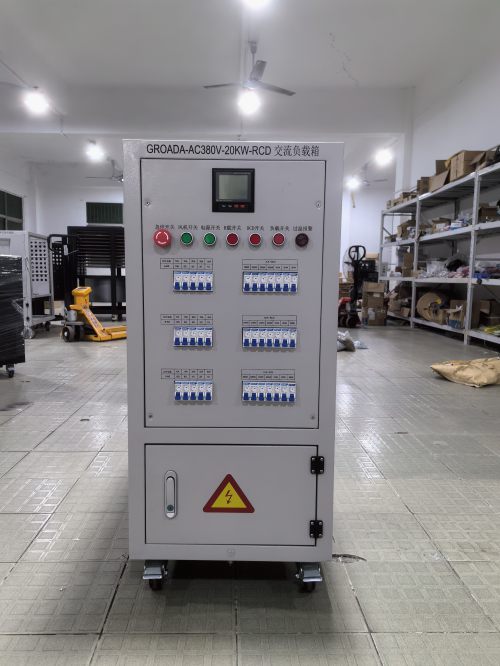
Forced-air cooling is standard on medium and large outdoor load banks. Look at the direction of airflow first. Vertical discharge units push hot air straight up, which prevents recirculation and works well in tight spaces or when units are placed side by side. Horizontal discharge units are simpler but need clearance to avoid drawing their own exhaust back in. Fan capacity should be matched generously to the resistive element rating, with margin for high ambient temperatures. A fan sized only for 25°C ambient will struggle at 45°C, so ask for the derating curve and confirm the unit holds full capacity at the maximum temperature your region reaches.
Element Material and Temperature Rating
Resistive elements are commonly made from nickel-chromium alloy wire or edge-wound ribbon. Higher-grade alloys tolerate higher surface temperatures and resist oxidation over thousands of hours of operation. For outdoor duty, favor elements rated for a generous surface temperature margin, because the ambient heat effectively stacks on top of the element's own operating temperature. Elements that run cooler for a given load last longer and reduce the risk of hot-spot failures.
Ambient Temperature Derating
Every load bank has a rated ambient temperature, often 40°C or 50°C. Above that point, output capacity is reduced to protect the elements and electronics. When you compare units, always compare them at your worst-case ambient, not at the headline rating. A load bank rated 1000 kW at 40°C might deliver only 850 kW at 50°C. If your site regularly sees high afternoon temperatures, size the unit so its derated capacity still meets your test requirement.
Heat Recirculation and Placement
Even the best-cooled unit fails if hot exhaust is drawn back into the intake. Plan installation with clear intake and exhaust paths. Walls, adjacent equipment, and other load banks can create recirculation pockets that raise the effective ambient by several degrees. Vertical discharge and thoughtful spacing solve most of these problems.
Waterproof Performance: Keeping Moisture Out
Water is the enemy of any electrical enclosure, and outdoor load banks must block it while still breathing enough to stay cool. The following criteria help you judge waterproof capability.
Understanding IP Ratings
The Ingress Protection code tells you how well an enclosure resists solids and liquids. The first digit covers dust, the second covers water. For outdoor load banks, look for a rating that guards against rain and splashing, such as IP54 or higher for the control and connection compartments. Be aware that the airflow openings needed for cooling cannot be fully sealed, so manufacturers typically protect the electrical and control sections to a high IP standard while designing the airflow path with louvers and baffles that shed rain from the resistive section. Ask specifically which compartments carry which rating.
Louvered Intakes and Rain Baffles
Well-designed intakes use angled louvers or drip shields that let air pass while deflecting falling and wind-driven rain. Drainage channels at the base of the enclosure carry away any water that does enter, preventing pooling around live components. During your evaluation, examine how the unit handles rain from the side, not just from directly above, since wind-driven rain is the more common failure mode.
Corrosion-Resistant Materials
Waterproofing is not only about keeping water out today. It is about surviving years of exposure. Stainless steel hardware, marine-grade or powder-coated enclosures, and galvanized frames resist the rust that turns a small leak into a major failure. Coastal and industrial sites with salt or chemical exposure need the highest corrosion protection you can specify. Check that fasteners, hinges, and cable glands are all rated for the environment, because a single corroded gland can admit water directly into a control box.
Sealed Connections and Cable Entries
Power and control cables enter the enclosure through glands that must maintain the waterproof seal. Look for properly rated, tightened glands and gasketed access doors. Quick-connect power terminals should have protective covers. These small details separate a unit that stays dry for a decade from one that admits moisture at the first heavy storm.
Balancing Heat and Waterproofing
The central challenge in outdoor load bank design is that cooling needs open airflow while waterproofing wants a sealed box. Manufacturers resolve this by compartmentalizing. The resistive element section is designed to shed water and drain freely while allowing high airflow, and the control and electrical section is sealed to a high IP rating. When you evaluate a unit, confirm that this separation is well executed. A single enclosure that tries to be both fully airtight and highly ventilated usually compromises one function or the other.
A Practical Selection Checklist
Bring these questions to any supplier conversation. First, what is the capacity at my maximum site ambient temperature, and can I see the derating curve? Second, what is the airflow direction, and what clearance does the unit require to avoid recirculation? Third, what IP rating protects the control compartment, and how is the resistive section protected against wind-driven rain? Fourth, what materials are used for the enclosure and hardware, and are they rated for my site's corrosion exposure? Fifth, how are cable entries and access doors sealed? Answers to these five questions reveal far more about real-world durability than the headline kilowatt figure alone.
Matching the Unit to Your Application
Different applications stress different features. A generator commissioning contractor who moves equipment between sites needs a rugged, portable unit with strong rain protection and easy transport. A data center running periodic standby tests needs sustained capacity at high ambient with reliable fan systems. A coastal facility must prioritize corrosion resistance above almost everything else. Define your primary use case first, then weight the selection criteria accordingly. The best outdoor load bank is not the one with the highest rating on paper, but the one whose thermal and waterproof design matches the conditions it will actually endure.
Conclusion
Selecting an outdoor load bank comes down to respecting two forces that never rest: heat and water. A unit that manages airflow intelligently, derates gracefully in high temperatures, seals its critical compartments against rain, and resists corrosion will serve reliably for years. Evaluate any candidate against your worst-case ambient temperature and your site's specific moisture and corrosion profile. When heat dissipation and waterproof integrity are both engineered in from the start, your load bank delivers accurate, dependable results test after test, season after season.









