
Across US manufacturing hubs, from the Rust Belt foundries of Ohio to the semiconductor corridors of Texas and the cold-climate plants of Minnesota, plant engineers face one recurring challenge: validating backup power and testing generators reliably in environments that swing from sub-zero winters to triple-digit summers. A wide temperature industrial load bank is the workhorse that makes this possible. This sourcing guide walks US factory teams through the specifications, procurement culture, and vendor evaluation practices that lead to a confident purchase.
Why Wide Temperature Performance Matters for US Factories
The continental United States spans an extraordinary range of climates. A load bank deployed at a facility in Phoenix may operate in ambient temperatures above 115°F (46°C), while the same equipment model in Fargo could sit through -30°F (-34°C) cold snaps. A load bank that is not rated for these extremes will derate its capacity, trip prematurely, or suffer condensation and thermal stress that shortens service life.
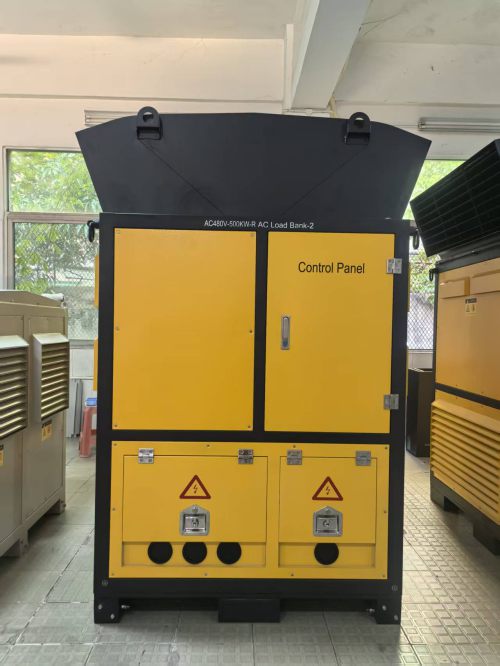
Wide temperature load banks are engineered with high-grade resistive elements, temperature-compensated control electronics, and cooling systems tuned to maintain rated output across a broad operating window. For US factories running mission-critical processes such as data center backup, hospital campuses, water treatment, and food processing, this reliability is non-negotiable.
Core Specifications to Confirm Before You Buy
When sourcing for US operations, focus your technical review on the specifications that most directly affect performance in demanding climates.
- Operating temperature range: Look for a rated range that comfortably brackets your site conditions, typically -30°C to +50°C for true wide temperature units. Confirm that rated kW capacity holds across the full range, not just at 25°C.
- Voltage and frequency compatibility: US facilities commonly use 208V, 480V, and 600V three-phase at 60Hz. Verify the load bank supports your exact bus voltage and any future expansion.
- Load type: Resistive load banks test real power (kW), while resistive-reactive units test both real and reactive power (kVAR) for generator and UPS commissioning under realistic power factor conditions.
- Cooling method: Forced-air cooling is standard, but confirm fan redundancy, airflow direction, and filtration for dusty industrial floors.
- Enclosure rating: Outdoor deployments should specify NEMA 3R or NEMA 4 enclosures to resist rain, snow, and wind-driven debris.
- Control interface: Modern units offer touchscreen HMIs, remote Ethernet or Modbus control, and automated test sequencing with data logging for compliance records.
US Codes, Standards, and Compliance Culture
American procurement is heavily shaped by third-party certification. US buyers routinely require UL listing, and many facilities will not accept equipment onto the plant floor without a UL or ETL mark. Beyond that, expect to align with NFPA 110 for emergency and standby power systems, NEC (NFPA 70) for electrical installation, and OSHA guidelines for workplace safety.
A distinctly American habit worth respecting: documentation is king. US plant managers, insurers, and AHJs (Authorities Having Jurisdiction) expect a complete paper trail. Factory acceptance test reports, calibration certificates traceable to NIST, and detailed O&M manuals are not optional extras. Vendors who supply thorough documentation up front earn trust quickly.
Understanding US Purchasing Traditions and Business Etiquette
Sourcing in the US carries cultural expectations that international suppliers sometimes underestimate. American buyers value directness, punctuality, and a clear scope of work. Quotes are expected to be itemized and transparent, with lead times, freight terms, and warranty language spelled out clearly.
Relationship building still matters, but it tends to follow the deal rather than precede it. A concise, well-organized proposal often carries more weight than lengthy relationship courtship. Many US industrial purchases run through a formal RFQ or RFP process, and larger factories may route the decision through a procurement department that scores vendors on price, delivery, references, and after-sales support.
Seasonality also plays a role. Capital equipment budgets in the US often align with the calendar or fiscal year, and many companies push to close purchases before year-end in December or before the fiscal Q4. Around Thanksgiving and the winter holidays, decision cycles slow as teams take time off, so building extra lead time into your project schedule during late November and December is a practical courtesy that keeps everyone comfortable.
Evaluating Suppliers: A Practical Checklist
Not all load bank vendors serve the US market equally well. Use this checklist to separate a reliable partner from a risky one.
- Domestic support presence: Confirm whether the vendor maintains US-based service technicians, spare parts inventory, and phone support in your time zone. Downtime waiting on overseas parts is expensive.
- Proven wide temperature track record: Ask for reference installations in climates similar to yours. A supplier who can point to units running in both Arizona heat and Midwest cold demonstrates real-world capability.
- Warranty and service agreements: Look for multi-year warranties and the option of preventive maintenance contracts. Clarify response time commitments.
- Customization ability: Factories often need custom kW ratings, trailer-mounted mobility, or integration with existing switchgear. Gauge the vendor's engineering flexibility.
- Lead time and logistics: Confirm realistic build times and freight arrangements. For large permanent units, coordinate rigging and installation support.
Portable vs Permanent: Matching the Load Bank to Your Use Case
US factories typically choose between three deployment styles. Portable and trailer-mounted load banks suit multi-site testing programs, rental fleets, and field commissioning where one unit travels between locations. Stationary floor-mounted units serve dedicated test bays and continuous exercising of standby generators. Roof or containerized units maximize floor space in tight facilities.
Match the physical format to how your maintenance team actually works. If your program requires periodic exercising of multiple generators across a campus, a rugged portable unit rated for wide temperature outdoor use often delivers the best return.
Total Cost of Ownership, Not Just Sticker Price
The lowest quote rarely wins in sophisticated US procurement. Experienced buyers evaluate total cost of ownership: energy efficiency of the cooling system, expected element life, calibration intervals, spare parts pricing, and the cost of unplanned downtime. A slightly higher initial investment in a properly rated wide temperature unit typically pays back through fewer failures and a longer service life.
Final Sourcing Recommendations
To source with confidence, define your site's true temperature and electrical envelope first, then shortlist vendors who can prove UL compliance, wide temperature performance, and responsive US-based service. Insist on complete documentation, request reference sites in comparable climates, and factor US purchasing rhythms and holiday timing into your schedule. Approached this way, your factory gains a load bank that performs dependably whether the mercury reads well below freezing or deep into summer heat, protecting the backup power systems your operation depends on.