
On-site testing puts real demands on your equipment. When you need to verify a generator, UPS, or turbine under realistic conditions, a portable mobile load bank is often the fastest and safest way to apply a controlled electrical load. But not every unit is built for field work, and the wrong choice can slow down a commissioning job or leave you with data you cannot trust. This guide walks through the practical factors that matter most when selecting a portable load bank for on-site testing.
Why Portability Changes the Selection Criteria
A load bank that lives in a test lab can be large, heavy, and permanently wired. A portable mobile load bank has to survive transport, rough handling, and quick setup in environments that were never designed for test gear. That single difference reshapes almost every specification you should evaluate. Weight, footprint, protection rating, cable connections, and cooling all become more important than raw capacity alone.
Before comparing brands, define how the unit will actually travel. Will it ride in a service van, get forklifted onto a rooftop, or be wheeled through a data center corridor? The answer narrows your options quickly and prevents you from buying a machine that technically meets the load rating but is impractical to move.
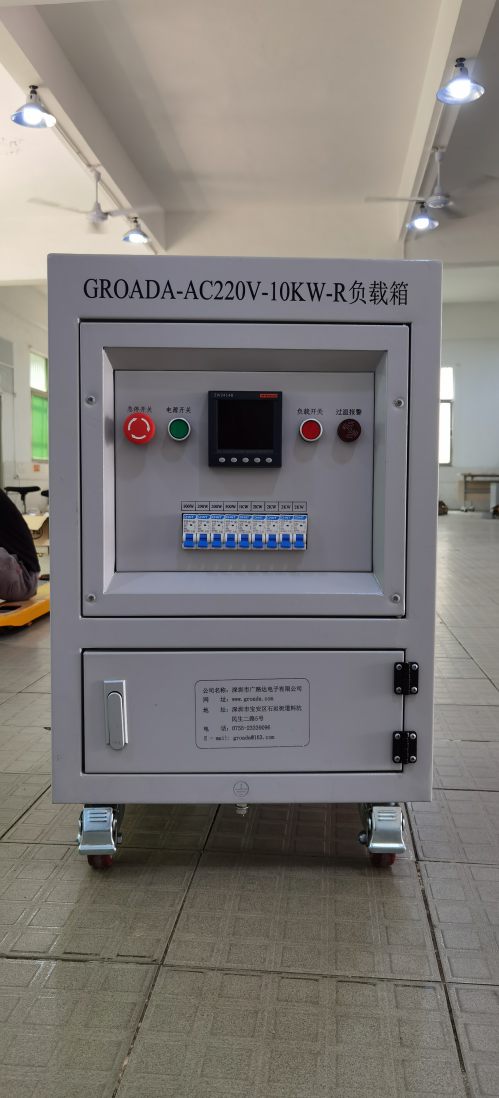
Match Capacity to the Equipment You Test
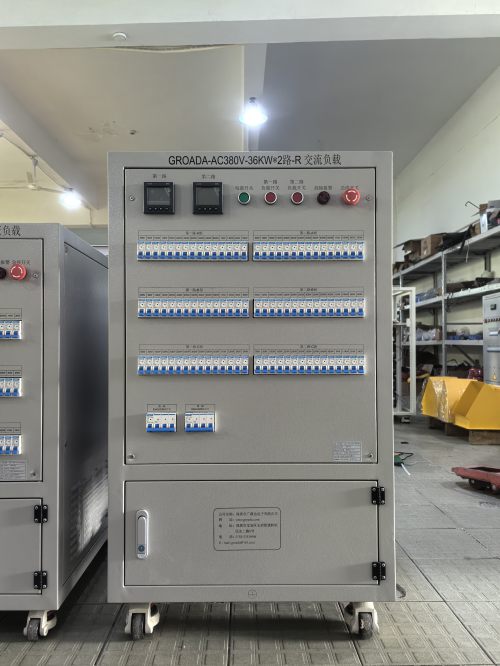
The first hard number is capacity, usually expressed in kilowatts (kW) for resistive units and kilovolt-amperes (kVA) for reactive units. Size the load bank to the equipment you test most often, with enough headroom for full-load verification. A common mistake is buying exactly the rated capacity of your generator fleet, then discovering you cannot reach 100 percent load once cable and connection losses are included.
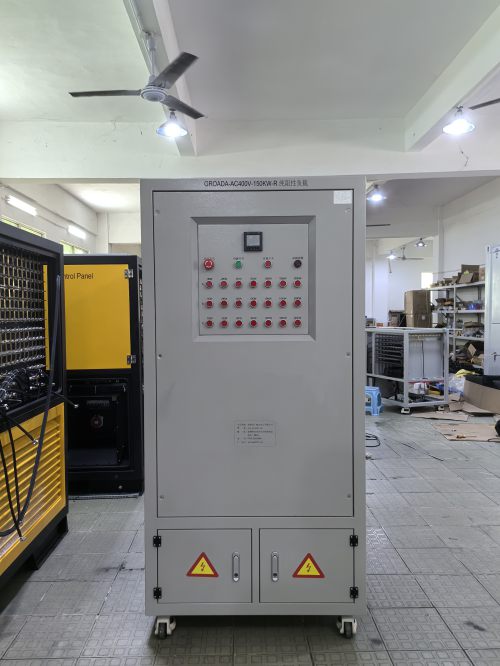
Consider whether you need resistive load only or resistive plus reactive. Resistive load banks simulate real power and are ideal for basic generator and UPS testing. Reactive load banks add inductive or capacitive load, letting you test power factor performance closer to real-world conditions. Many field teams choose a resistive unit for routine work and add a reactive module when contracts require power factor testing.
Voltage and Frequency Flexibility
On-site work rarely gives you a single voltage class. A portable load bank that supports multiple voltage taps and both 50 Hz and 60 Hz operation will serve a wider range of jobs without forcing you to own several units. Confirm the voltage selection method as well. Manual tap changes are fine for occasional use, but a switchable or automatic selection saves time when you move between sites in a single day.
Check the acceptable input tolerance too. Field power sources drift, and a unit with a narrow voltage window may trip or give inconsistent readings on a struggling generator, which is exactly the situation where you need reliable data.
Cooling and Environmental Protection
Cooling design directly affects reliability and noise. Most portable units use forced-air cooling. Verify that the airflow direction suits your working space, because hot exhaust blown toward a wall or a technician creates safety and comfort problems. For enclosed rooms, plan for exhaust ducting or adequate ventilation.
Environmental protection matters just as much. Look at the ingress protection (IP) rating if you expect outdoor use, dust, or moisture. A higher IP rating protects the internal elements and controls from grit and rain, which extends service life in construction and industrial settings. Also confirm the operating temperature range, since a load bank that performs well in a mild climate may derate in extreme heat.
Controls, Metering, and Data Logging
Accurate, easy-to-read metering separates a professional load bank from a basic one. At minimum you want clear readings for voltage, current, power, and frequency. For commissioning reports, built-in data logging or a communication interface saves hours of manual recording and reduces transcription errors.
Remote control is increasingly valuable for field work. A wired or wireless remote lets a single technician apply and adjust load from a safe distance, monitor the equipment under test, and document results without walking back and forth. If your team produces formal test reports, prioritize units that export data in a format your software can use.
Load Step Resolution
The size of the smallest load step determines how precisely you can profile equipment. Fine load steps let you ramp up gradually, capture performance at specific percentages, and pinpoint where a machine begins to struggle. Coarse steps are cheaper but limit the detail of your testing. Match the resolution to the accuracy your contracts or standards require.
Connection and Cabling
Field connections are a frequent source of delay and error. Evaluate how the unit connects to the equipment under test. Camlock connectors, lug terminals, and plug-in cables each have trade-offs in speed and safety. Whatever the method, confirm that connectors are rated for your current levels and are protected against accidental contact.
Do not overlook the cables themselves. Voltage drop across long or undersized cables can prevent you from reaching full load and can skew measurements. Carry properly sized cables and account for their losses when you plan a test.
Build Quality and Serviceability
Portable gear takes abuse. A rugged frame, protected control panel, and quality casters or lifting points pay off over years of transport. Ask about the availability of spare parts and the ease of replacing load elements, contactors, and fans, since these are the components most likely to wear. A unit that is easy to service in the field keeps you working instead of waiting for a factory return.
Safety Features You Should Not Compromise On
Safety protections are non-negotiable for on-site work. Look for over-temperature protection, airflow fault detection that shuts down the load if cooling fails, and clear emergency stop controls. Fault interlocks that prevent load application under unsafe conditions protect both your operators and the equipment under test. Verify that the unit meets the relevant electrical safety standards for your region.
Total Cost and Support
Purchase price is only part of the equation. Factor in warranty terms, the responsiveness of technical support, and the cost of consumables and spare parts. A slightly more expensive unit backed by strong support and readily available parts usually costs less over its working life than a cheaper machine that sits idle waiting for repairs.
A Practical Checklist Before You Buy
Bring the decision down to a short set of questions. Does the capacity cover your equipment with headroom? Do the voltage and frequency options match your typical sites? Is the unit truly transportable given how you move it? Does the cooling suit your working environments? Are the metering, logging, and remote control adequate for your reports? Are the connections fast and safe? And is the vendor able to support you long term? If you can answer yes to each, you have found a load bank that will serve your on-site testing reliably.
Choosing a portable mobile load bank is ultimately about matching the tool to the way you work in the field. Focus on the specifications that affect real testing outcomes, plan for transport and environment, and prioritize safety and support. A well-chosen unit turns on-site testing from a logistical headache into a fast, repeatable, and trustworthy process.