
Intelligent automatic load banks have become essential test instruments for verifying the real-world performance of generators, UPS systems, batteries, and turbines across the United States. As data centers, hospitals, and industrial facilities demand ever-higher power reliability, engineers need clear, accurate specifications before selecting a load bank. This guide breaks down the core specs, control features, and selection criteria that matter most when specifying an intelligent automatic load bank for US applications.
What Is an Intelligent Automatic Load Bank
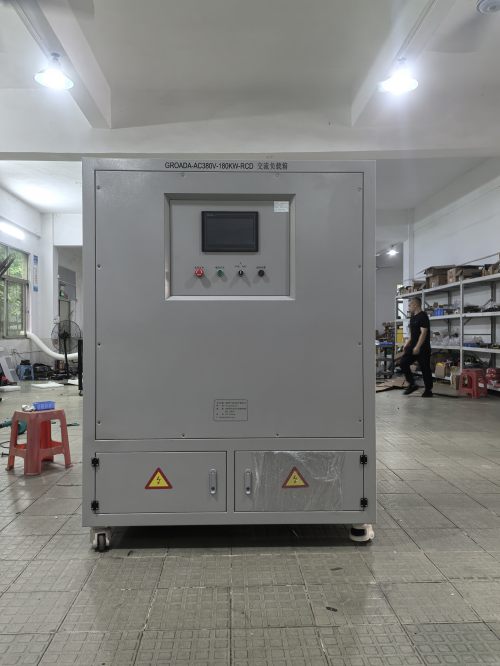
A load bank is a device that applies an electrical load to a power source and dissipates the resulting energy, usually as heat. An intelligent automatic load bank adds programmable control, real-time data acquisition, and automated load stepping to the traditional resistive or reactive load bank. Instead of manually toggling load steps, operators define a test profile, and the controller sequences the load automatically while recording voltage, current, frequency, power factor, and temperature.
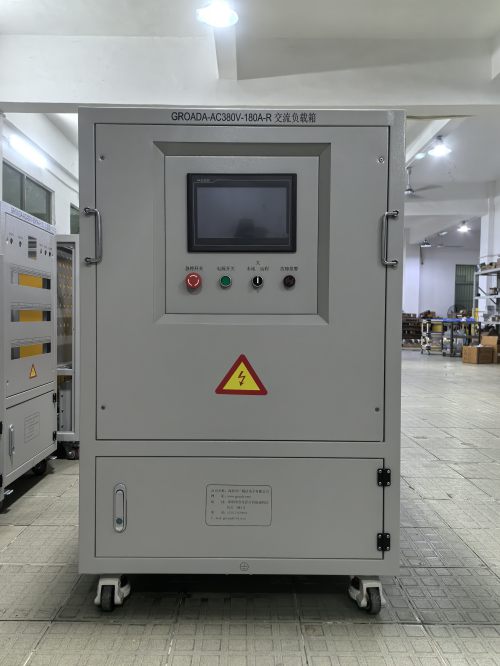
This automation is critical for commissioning tests, periodic maintenance loading, and factory acceptance testing (FAT). It removes human error, ensures repeatable results, and generates the documented reports that facility managers and code inspectors increasingly require.
Core Electrical Specifications
When reviewing an intelligent automatic load bank datasheet, focus first on the electrical ratings. These define whether the unit matches your power source and test standards.
- Rated capacity (kW / kVA): US load banks are commonly available from small 10 kW portable units up to 3 MW containerized systems. Resistive-only units are rated in kW; resistive-reactive units add kVAR and are rated in kVA to test power factor.
- Voltage rating: Standard US voltages include 208V, 240V, 480V, and 600V for low-voltage systems, with medium-voltage options at 4160V and above. Confirm the unit supports your exact bus voltage.
- Frequency: 60 Hz is standard across North America. Verify compatibility if the load bank will also serve 50 Hz export equipment.
- Load resolution: Finer load steps (for example 1 kW increments) allow precise control near rated capacity. Intelligent controllers typically achieve fine resolution through combined coarse and trim resistor banks.
- Power factor: Resistive load banks test at unity power factor (1.0). Reactive units offer lagging power factors, commonly 0.8, to simulate motor and inductive loads that stress generator excitation systems.
Control and Automation Features
The "intelligent" part of the load bank lives in its controller. Modern US-market units offer touchscreen HMIs, PLC-based logic, and remote connectivity. Key control capabilities to specify include:
- Programmable test sequences: Define load steps, ramp rates, and dwell times so a full commissioning test runs unattended.
- Closed-loop load control: The controller monitors actual kW and adjusts steps to hold a target load even as source voltage varies.
- Automatic paralleling: Multiple load banks can be networked and controlled as one system for large-capacity tests.
- Data logging and reporting: Built-in memory captures test data at set intervals and exports CSV or PDF reports for compliance records.
- Remote operation: Ethernet, Modbus TCP, Wi-Fi, or cellular links let engineers run and monitor tests from a control room or off-site.
For critical facilities, these features support NFPA 110 and NFPA 70B testing requirements, which call for documented load testing of emergency and standby power systems.
Cooling and Thermal Design
Every load bank converts electrical energy into heat, so cooling design directly affects safety and placement. Most US intelligent load banks use forced-air cooling with high-flow fans and finned resistive elements. Specification points include airflow direction (top or side discharge), ambient temperature rating, and over-temperature protection.
The controller should automatically shut down or shed load if airflow is lost or element temperature exceeds limits. For indoor use, plan ductwork or ensure adequate room ventilation, because a 1 MW test can release a large volume of hot air quickly.
Enclosure, Portability, and Environmental Ratings
Load banks serve both fixed and mobile roles. Portable trailer-mounted units help rental fleets and field service teams test generators on site, while stationary units integrate into permanent test bays. Consider these factors:
- NEMA rating: NEMA 1 suits indoor use, while NEMA 3R protects outdoor units against rain and weather common across variable US climates.
- Mounting: Options include stationary skids, trailer mounts, and containerized systems for high-capacity mobile testing.
- Weight and footprint: Match crane and floor-load limits, especially for medium-voltage units.
- Noise level: Fan noise matters near occupied buildings; some units offer sound-attenuated designs.
Safety and Compliance Standards
US buyers should confirm the load bank and its controls carry appropriate certifications. Look for UL listing on the assembly, and verify that emergency stop circuits, load-loss protection, and interlocks meet the site's electrical code. Compliance with NFPA 110 for emergency power systems and adherence to NEC (NFPA 70) wiring practices are frequently referenced in specifications for hospitals, data centers, and government facilities.
How to Select the Right Load Bank
Start by defining the device under test. A diesel generator commissioning test typically needs a resistive-reactive load bank sized to at least the generator's rated kW plus a margin, with 0.8 power factor capability to stress the full alternator. A UPS or battery discharge test may need DC load bank capability instead. Match the voltage and frequency exactly, then choose capacity slightly above your maximum test load to preserve headroom.
Next, weigh automation needs. Simple periodic exercise runs may only need step control, while full acceptance testing benefits from programmable sequences and automated reporting. Finally, factor in placement, cooling, portability, and the level of remote monitoring your team requires.
Maintenance and Long-Term Reliability
An intelligent automatic load bank is a precision instrument, so plan for routine care. Keep resistive elements and airflow paths free of dust, inspect fan bearings, verify contactor operation, and recalibrate the controller's measurement circuits per the manufacturer's schedule. Well-maintained units deliver years of accurate, repeatable service, which protects the value of every commissioning and compliance test they perform.
Conclusion
Specifying an intelligent automatic load bank in the US comes down to matching electrical ratings, control intelligence, cooling design, and compliance to your specific test needs. By focusing on rated capacity, voltage, power factor, automation, and safety certifications, engineers can select a load bank that delivers reliable, documented results for generators, UPS systems, and critical power infrastructure. A well-chosen unit becomes a long-term asset for maintaining power reliability across any facility.