Our Top 6 Inductive Load Banks for Motor and Transformer Load Testing
Inductive load banks play a decisive role wherever engineers need to validate the true behavior of motors, transformers, generators, and UPS systems under realistic operating conditions. Unlike resistive-only testing, inductive load banks introduce a lagging power factor that mimics the reactive loads found in the field. This makes them essential for verifying voltage regulation, thermal performance, and overall reliability before equipment goes into service.
As a manufacturer focused on precision load testing, we have compiled our top six inductive load banks that consistently deliver accurate, repeatable results for motor and transformer load testing. Below you will find a practical breakdown of each unit, along with guidance on how to select the right solution for your application.
Why Inductive Load Banks Matter
A power source rated for a specific kVA output can behave very differently when it faces reactive loads. Motors, transformers, and reactive components draw current that lags behind voltage, creating a power factor below unity. Testing with a purely resistive load hides this reality and can leave critical weaknesses undetected.
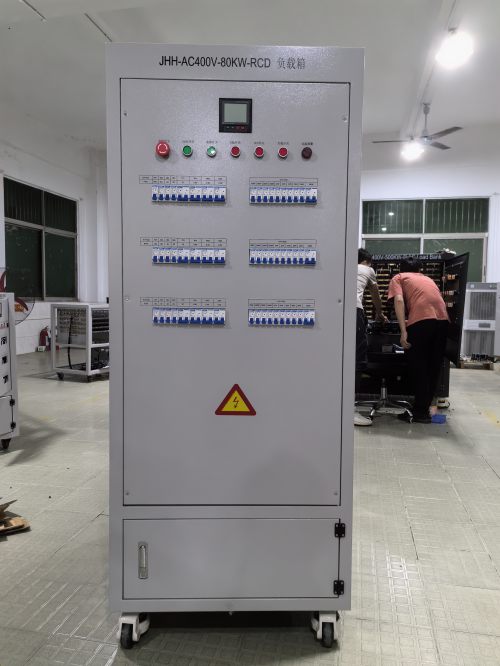
✔ Key Insight: Inductive load banks let you simulate a lagging power factor, typically 0.8, so your equipment is tested against conditions it will actually meet in service.
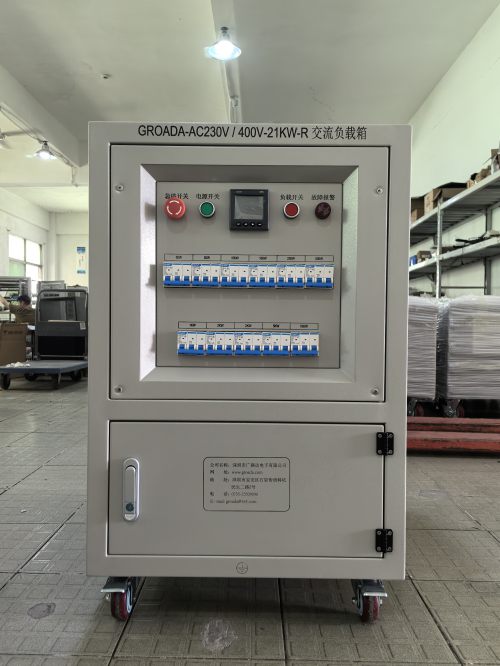
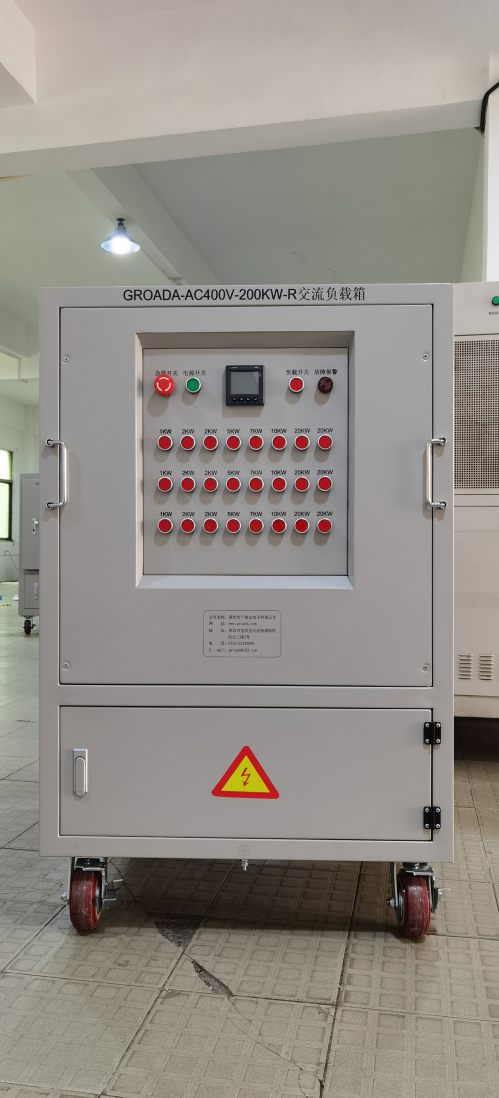
This is why data centers, utilities, marine operators, and industrial plants rely on inductive testing to confirm that their backup and primary power systems perform under stress.
Our Top 6 Inductive Load Banks
1. Compact Portable Inductive Load Bank
Designed for field technicians who need mobility without sacrificing accuracy, this unit combines a lightweight enclosure with rugged construction. It suits small to medium motors and distribution transformers.
★ Highlight: Wheeled chassis, quick-connect terminals, and step-controlled load selection make on-site commissioning fast and safe.
2. Mid-Range Resistive/Inductive Combination Unit
When you need to test at a controlled power factor across a wide range, a combined resistive and inductive load bank gives you full flexibility. You can dial in loads from unity down to 0.8 lagging, matching the exact profile of your transformer or generator set.
★ Highlight: Independent control of resistive and reactive elements lets you replicate mixed loads with precision.
3. High-Capacity Trailer-Mounted Load Bank
For utility-scale transformers and large synchronous machines, a trailer-mounted inductive load bank brings megawatt-class capacity directly to the test site. Integrated cooling and remote monitoring keep long-duration tests stable.
✔ Best For: Substation acceptance testing, generator commissioning, and heat-run testing of large transformers.
4. Container-Type Inductive Load Bank
Housed in a weatherproof ISO container, this solution is built for permanent installations and heavy repeated use. It handles continuous testing cycles and integrates smoothly with SCADA and building management systems.
★ Highlight: All-weather operation, secure access control, and data logging for full traceability.
5. Precision Laboratory Inductive Load Bank
Research labs and manufacturers who certify motors and transformers need tightly controlled, low-tolerance loading. This bench-scale unit offers fine load resolution and stable reactance for repeatable R&D and quality-assurance testing.
★ Highlight: Fine-step load adjustment and high measurement accuracy support type testing and efficiency verification.
6. Networked Multi-Bank System
When a single unit cannot cover the full test envelope, our networked system links multiple inductive load banks under one control interface. Loads scale seamlessly, and centralized software coordinates sequencing across banks.
✔ Best For: Large power plants and test facilities that need scalable, coordinated load control.
How to Choose the Right Inductive Load Bank
Selecting the correct unit comes down to a few core factors. Match the load bank to your equipment ratings and the environment where you will use it.
Capacity and Power Factor
Confirm the kVA and kVAR range, and verify the achievable power factor. Testing a transformer at 0.8 lagging is a common benchmark, so make sure the unit reaches it comfortably.
Voltage and Frequency
The load bank must match your system voltage and frequency, whether 50Hz or 60Hz. Multi-voltage designs give you room to test different assets from one investment.
Mobility and Environment
Portable units suit fieldwork, while container or trailer designs handle demanding outdoor and long-duration testing. Consider cooling, ingress protection, and transport logistics.
Control and Data Logging
Modern testing programs demand traceable records. Look for remote control, automated load steps, and export-ready reports to streamline compliance.
Practical Testing Tips
✔ Always confirm cable ratings and connection torque before energizing.
✔ Ramp loads in steps to observe voltage regulation and thermal response.
✔ Log temperature, voltage, and current throughout heat-run tests.
Proper procedure protects both the equipment under test and the operators. Inductive load banks concentrate significant reactive energy, so ventilation, grounding, and clearances must follow the manufacturer's guidance.
Conclusion
Choosing the right inductive load bank ensures your motors and transformers are validated against the reactive conditions they will face in real service. From compact portable units to networked multi-bank systems, each of our six solutions targets a specific testing need. Match the capacity, power factor, voltage, and mobility to your application, and you will gain reliable, repeatable results that protect your investment and your uptime.
If you are planning a motor or transformer load testing program and want help selecting the ideal unit, our engineering team is ready to guide you through capacity sizing, power-factor requirements, and integration with your existing test infrastructure.