发电机和UPS系统的便携式负载组测试解决方案
在现代电力系统中,发电机、不间断电源(UPS)和可再生能源的可靠性能验证对于确保电网稳定性和运行安全至关重要。便携式负载组已成为这一过程中的关键工具,使工程师和技术人员能够在调试、维护和工厂验收测试(FAT)期间模拟现实世界的电力负载。这些设备不仅对于验证备用电源系统的输出容量至关重要,而且对于识别在实际负载条件下可能危及系统完整性的隐藏故障也至关重要。
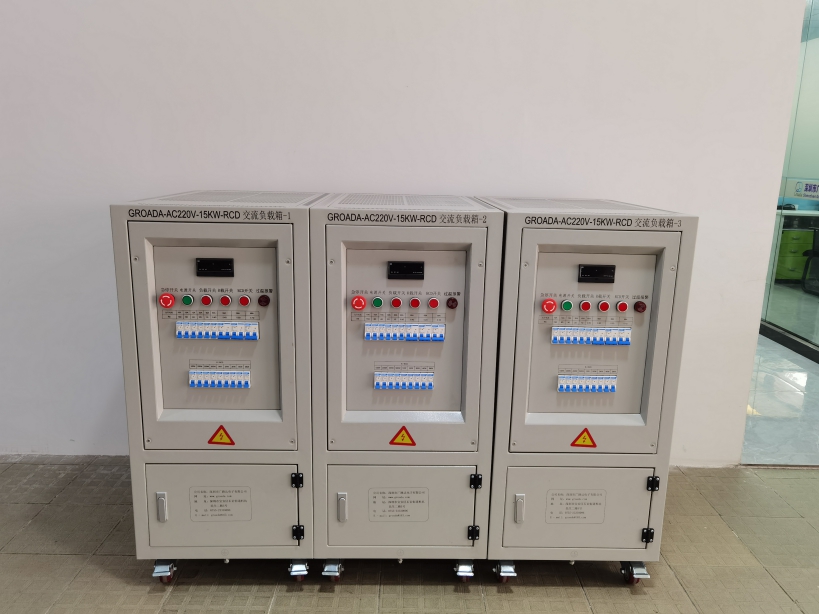
便携式负载组是一种电控设备,通过从被测电源汲取电流来模拟现实世界应用(如照明、暖通空调或工业机械)的电力需求。与静态或固定安装不同,便携式型号在跨不同环境的部署中提供了灵活性,包括远程站点、施工区和移动发电机设置。这种可移植性提高了现场服务团队和设施管理人员的成本效益和可访问性。
负载组大致分为三种类型:电阻性、无功性和组合(RLC)负载组。电阻负载组使用精密电阻元件将电能转化为热量,使其成为评估柴油发动机或燃气轮机等原动机机械和热性能的理想选择。无功负载组引入电感或电容电抗来模拟滞后或超前功率因数场景,这在电机驱动或电容补偿系统中很常见。组合负载组集成了电阻和无功组件,允许在可变功率因数下进行全面的负载测试,这是微电网和混合可再生能源应用中越来越需要的功能。
这些系统的设计必须符合国际标准,如IEC 60034-1(旋转机械-第1部分:额定值和性能)和IEEE 1547(分布式资源与电力系统互联标准)。合规性确保了安全操作、准确测量以及与保护继电器和控制系统的互操作性。例如,IEC 60034-1规定了旋转电机在满载条件下的允许温升限值,这直接通知了发电机在过热发生之前可以处理多少连续负载——这是电阻负载组测试期间严格评估的一个方面。
现代便携式负载组集成了先进的功能,如可编程步进负载配置文件、用于电压、电流、有功功率(kW)、无功功率(kVAR)和功率因数(PF)监测的数字仪表,以及Modbus RTU/TCP、CANopen和基于以太网的SCADA集成等远程通信协议。一些模型甚至通过安全的API支持物联网云监控,允许运营商从世界任何地方跟踪测试进度和诊断,这是分布式发电网络中预测性维护策略的关键推动因素。
热管理仍然是负载组设计中最关键的方面之一。高功率电阻单元会产生大量热量,因此需要强大的冷却机制。风冷系统通常使用额定为连续工作的强制风扇,而水冷版本则采用带热交换器的闭环循环,以保持最佳工作温度,即使在高环境中也是如此。典型的500 kW电阻负载组可能会散发高达500 kW的热量,需要根据UL 1203和CE EN 60950-1标准仔细考虑气流路径设计、降噪措施和通风间隙。
在任何负载组系统中,安全功能都是不可协商的。关键保护包括紧急停止按钮(E-stop)、短路检测电路、热敏电阻或RTD触发的超温停机以及符合NEC第250条的接地故障保护。此外,许多机组现在都配备了电压骤降或浪涌事件时的自动甩负荷功能,防止在不稳定的电网连接期间损坏敏感设备——这是风电场或太阳能光伏电站互联测试中的常见情况。
机械耐久性同样重要。装置应安装在坚固的钢外壳中,其防尘和防溅等级为IP54或更高,特别是在室外或恶劣的工业环境中部署时。叉车口袋、吊耳和模块化堆叠功能简化了运输和设置,降低了人工成本,提高了现场效率。重量范围从小型单相机组的50公斤到三相多千瓦系统的2000公斤以上不等,每种系统都针对特定的物流限制量身定制。
必须严格遵守校准和维护计划,以确保测量精度和长期可靠性。根据ISO/IEC 17025,负载组的校准间隔不应超过12个月,并使用可追溯的参考标准来验证电压、电流和功率读数。电阻器块(通常额定使用10-15年,具体取决于使用强度)和风扇组件(每3-5年一次)等更换零件应随时准备就绪。推荐的备件清单通常包括保险丝、接触器、控制板和热电偶,以缩短维修周期。
Case Study 1: Generator Factory Acceptance Test (FAT)
An anonymized case study from a diesel generator manufacturer in Germany illustrates the importance of proper load testing. During FAT, a 2 MW three-phase generator was subjected to progressive loading via a 2 MW resistive load bank over 8 hours. Initial tests showed acceptable voltage regulation and frequency stability within ±1%. However, after reaching 90% load, the engine exhibited increased vibration levels and oil temperature spikes beyond IEC 60034-1 limits. Further inspection revealed misalignment between the alternator and prime mover—a flaw undetectable under no-load conditions. Corrective action was taken prior to delivery, avoiding costly field failures.
Case Study 2: UPS Load Testing for Data Center Reliability
At a major U.S. data center, a 500 kVA online UPS system underwent monthly load testing using a 400 kW RLC load bank. Over six months, the system maintained 99.9% availability, with consistent output power quality metrics (THD< 3%, PF > 0.95). One month, a sudden drop in power factor from 0.98 to 0.75 was detected, prompting immediate investigation. It was found that a capacitor bank had failed internally—a condition masked during normal operation due to low load. The issue was resolved before affecting server uptime, demonstrating the value of regular load bank testing in mission-critical infrastructure.
For users seeking high-quality solutions, it is recommended to select certified products from reputable manufacturers who adhere to global safety and performance benchmarks. Look for CE, UL, CCC, and CSA certifications based on regional market requirements. Additionally, consider vendors offering technical support, calibration services, and warranty extensions (e.g., 3–5 years).
Future trends in load bank technology point toward smarter, more integrated systems. Integration with digital twins, AI-driven anomaly detection, and predictive analytics will further enhance the ability to anticipate equipment degradation and optimize maintenance cycles. As the adoption of microgrids and electrified transport increases, so too will the need for flexible, intelligent load testing platforms capable of emulating complex dynamic loads.
In summary, portable load banks play a pivotal role in ensuring the reliability, safety, and compliance of electrical power systems worldwide. From initial installation validation to ongoing performance assurance, these tools empower engineers to make informed decisions backed by empirical data—not assumptions. Whether you’re testing a standalone generator, a backup power system for healthcare facilities, or a renewable energy converter, investing in a well-designed, properly maintained load bank is a strategic move toward resilience and operational excellence.