発電機のテストと電源システムの検証のためのポータブルロードバンク
Portable load banks are essential tools in the testing and validation of power generation systems, particularly for generators used in critical infrastructure such as hospitals, data centers, and industrial facilities. These devices simulate real-world electrical loads to verify that a generator can perform under various operating conditions—ensuring reliability during actual power outages or grid failures. A well-designed portable load bank must be capable of delivering precise resistive, reactive, or combined RLC (resistive-inductive-capacitive) loads across single-phase or three-phase configurations, while also offering safety features like overtemperature protection, short-circuit safeguards, and remote monitoring capabilities.
The main body of this article focuses on key technical parameters that define a high-quality portable load bank. First, power rating—typically ranging from 50 kW to 1,000 kW—is critical for matching the generator’s capacity. Voltage levels (e.g., 120/208V, 240/400V, 480V) must align with the system being tested. For flexibility, many modern units support adjustable power factor (from 0.8 lagging to 1.0 leading), enabling accurate simulation of both resistive and inductive loads commonly found in motor-driven equipment. Cooling methods—air-cooled or water-cooled—are selected based on portability needs and ambient temperature; air-cooled models dominate for field use due to lower maintenance, whereas water-cooled units offer higher efficiency for continuous operation.
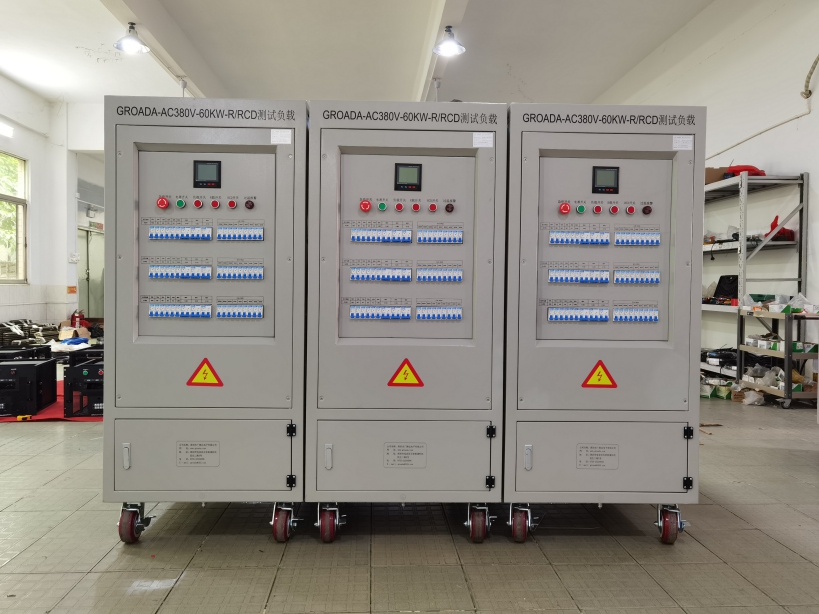
Safety is paramount. Standards such as IEC 60034-1 and IEEE 1547 require that test equipment incorporate thermal protection, grounding compliance, and emergency stop functionality. Many units now include digital control interfaces (Modbus RTU, Ethernet, RS-485) allowing automated load scheduling and real-time monitoring via PC or mobile apps—an important feature for unattended or remote testing scenarios. Mechanical design considerations, including IP44-rated enclosures and lifting eyes for crane transport, enhance durability and ease of handling in harsh environments.
Case studies demonstrate the practical value: an anonymized case study from a wind farm in Northern Europe showed that using a 500 kW resistive load bank during commissioning helped identify a mismatch between turbine output and inverter response—leading to firmware updates before grid connection. Another simulated example from a hospital backup system revealed that a 200 kW reactive load bank exposed inadequate voltage regulation under light load conditions, prompting adjustments in AVR settings.
In conclusion, portable load banks are not just test instruments—they are vital for ensuring energy resilience. Engineers and facility managers should prioritize models with proven safety certifications (CE, UL, CCC), accurate measurement capabilities (±0.5% for active/reactive power), and robust remote monitoring options. As renewable integration increases, these tools will remain indispensable for validating hybrid power systems and maintaining grid stability.