信頼性の高い電源システムのための電池放電負荷銀行テスト

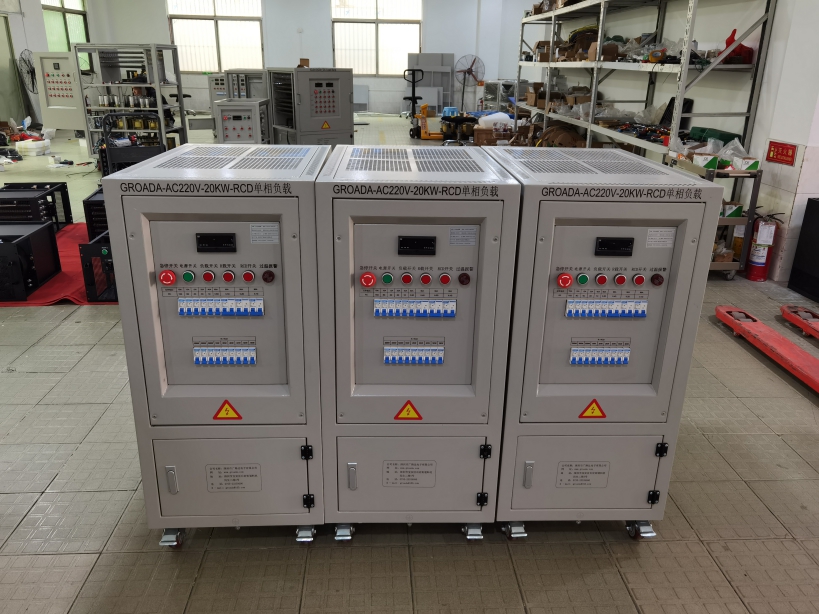
Battery discharge load banks are essential tools for evaluating the performance and reliability of energy storage systems, especially in backup power applications like data centers, hospitals, and renewable energy installations. These devices simulate real-world electrical loads to fully discharge batteries under controlled conditions, ensuring they can deliver expected power during outages or grid failures. Unlike simple charge/discharge cycles, battery load testing with a dedicated discharge load bank provides accurate insights into capacity degradation, internal resistance, and state-of-health (SOH) metrics—critical for predictive maintenance. Modern battery discharge load banks often integrate programmable control systems, remote monitoring via Ethernet or Modbus, and precise voltage/current sensing to replicate varying load profiles such as those found in UPS systems or electric vehicle charging stations. For example, a 100 kW resistive load bank can simulate a full discharge of a 48 V DC battery pack over several hours, allowing engineers to measure voltage drop, temperature rise, and time-to-discharge. Standards like IEC 62619 and IEEE 1188 guide safe testing procedures, particularly for lithium-ion and lead-acid batteries. In one simulated case study, a telecom site used a portable battery discharge load bank to test 24 individual 2V lead-acid cells in parallel before commissioning; tests revealed uneven capacity across modules, prompting early replacement and preventing future downtime. This proactive approach reduces risk, improves safety, and ensures compliance with industry regulations. Whether deployed on-site or in a lab setting, battery discharge load banks support efficient, long-term operation of critical infrastructure by confirming that stored energy is both available and usable when needed.

Battery Discharge Load Bank Testing for Reliable Power Systems-1