発電機メンテナンスとパフォーマンス検証のためのポータブルロードバンクテスト
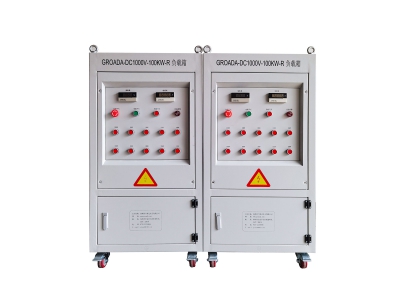
Portable load banks are essential tools for verifying the performance, reliability, and safety of power generation systems such as diesel generators, natural gas engines, and backup power units. These devices simulate real-world electrical loads to test generator output under controlled conditions—ensuring that the system can handle full or partial load without failure. A typical portable resistive load bank can be configured for single-phase or three-phase operation, with power ratings from 50 kW up to 1,000 kW depending on application needs. Modern models often include active cooling (forced air or water-cooled) to manage thermal dissipation, allowing extended testing durations without overheating. According to IEC 60034-1, electric machines must undergo load testing to validate mechanical integrity and temperature rise limits; portable load banks provide a practical way to meet these requirements in the field. Engineers commonly use them during factory acceptance tests (FAT), commissioning, and preventive maintenance programs for critical infrastructure like hospitals, data centers, and remote industrial sites. For example, in an anonymized case study at a hospital backup generator site, a 200 kW portable resistive load bank was used to conduct a 4-hour test at 75% load, confirming stable voltage regulation (±2%) and adequate cooling airflow through built-in thermocouples. The results enabled operators to identify a failing fan motor before it caused a system outage. Advanced units now feature digital control panels, Modbus communication protocols, and remote monitoring capabilities—allowing integration into SCADA systems for automated load cycling and data logging. Compliance with UL/CE/CCC standards ensures safe operation across international markets. Proper calibration every 12 months and routine inspection of resistor blocks and cooling fans are recommended for optimal lifespan. When selecting a portable load bank, key considerations include phase compatibility, current capacity, power factor adjustment range (typically 0.8–1.0 lagging), and portability features like lifting eyes or forklift pockets.