発電機のテストと電源システムの検証のための正しい負荷銀行を選択する方法
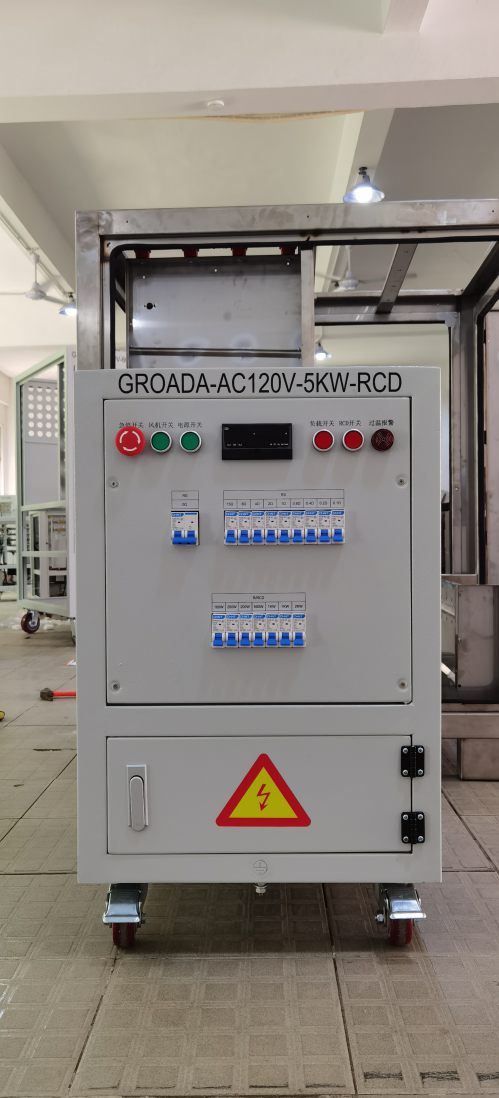
Selecting the appropriate load bank is critical for ensuring reliable generator performance, especially in industrial, commercial, and utility settings. A load bank simulates real-world electrical loads, allowing engineers to test power systems under controlled conditions. Practical applications include factory acceptance testing (FAT) of generators, UPS system validation, and grid connection testing for renewable energy sources like wind farms or solar installations. For example, during FAT, a three-phase resistive load bank can be used to verify that a generator delivers full-rated power at specified voltage and frequency without overheating or voltage drop—this aligns with IEC 60034-1 standards for motor and generator performance.
Advantages of modern load banks include precise power factor control (from 0.1 to 1.0), remote monitoring via Modbus or Ethernet, and built-in thermal protection that prevents damage from overtemperature events. Many models now support reactive (inductive/capacitive) and combination RLC loads, enabling comprehensive load testing across different power profiles—a key trend in smart grid development.
Common problems include improper sizing leading to inefficient testing, inadequate cooling causing premature failure, and lack of calibration resulting in inaccurate measurements. According to an anonymized case study by a European power systems integrator, using a portable 500 kW resistive load bank with water-cooling improved test accuracy by 22% compared to air-cooled units in high ambient temperature environments (above 40°C).
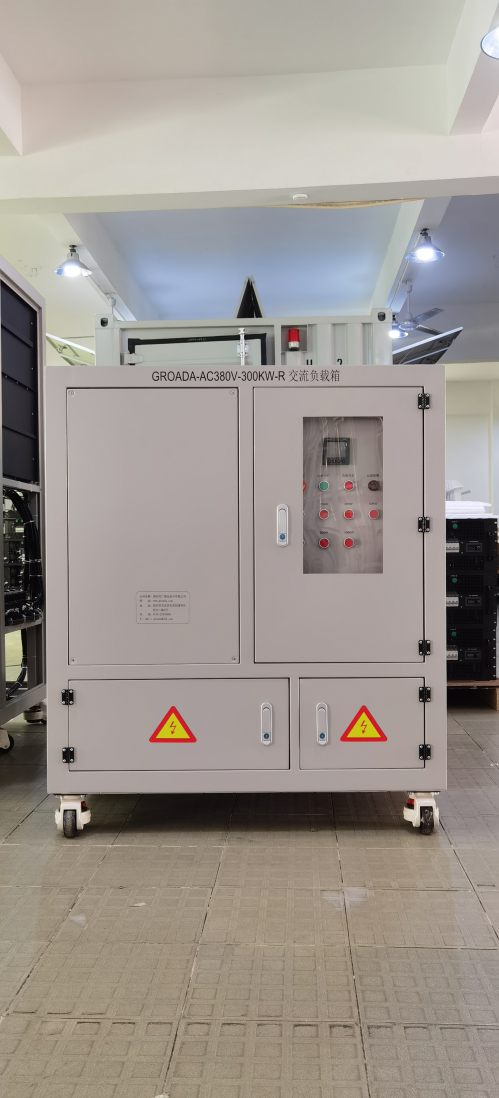
Latest trends involve integrating IoT-enabled load banks that provide real-time data logging, predictive maintenance alerts, and cloud-based analytics—offering significant operational efficiency gains. These tools are increasingly essential for microgrid operators seeking compliance with IEEE 1547 standards for distributed energy resources.