発電機性能検証のためのポータブルロードバンクテスト
電気発電システムの分野では,発電機の信頼性とパフォーマンスを実際の条件で確保することは,設置中だけでなく,運用寿命全体で重要です.ポータブルロードバンクは,実際の使用パターンを模擬する電気負荷をシミュレートすることで,エンジニアが発電機の出力容量,電圧調節,周波数安定性,およびシステム全体の完整性を調査することができます.この記事では,ポータブルロードバンクの包括的な概要,それらが何であるか,機能方法,主要な技術仕様,業界間のアプリケーション,安全上の考慮事項,効果的なテストのためのベストプラクティスを提供します.
ポータブルロードバンクは,発電機またはUPSシステムから制御された量の電力を抽出し,電圧,電流,電力要因,温度上昇,調和電電電電波ポーポーポーポーポータイムで電圧,電流,電圧,電流,電力要因,温度上昇,調和ポーポーポーポーポートロードバンクなどのパフォーマン照明やモーターのような静的負荷とは異なり,予測できないように変化する負荷バンクは,工場受け入れテスト (FAT),予防メンテナンス,グリッド統合検証に不可欠な繰り返し可能で校正されたテスト条件を可能にします.
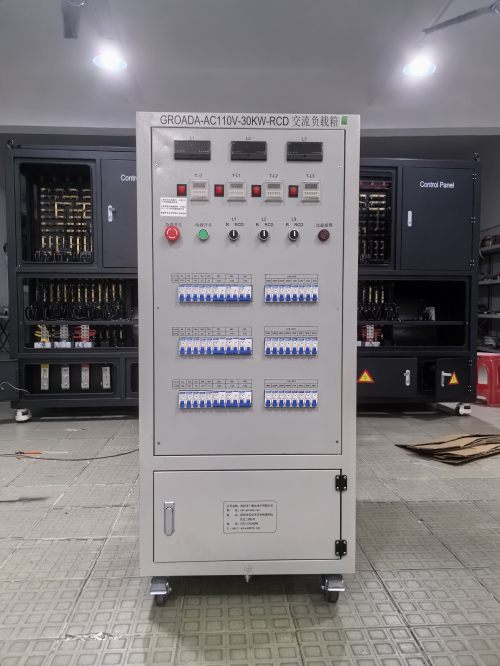
ロードバンクには3つの主要なタイプがあります。
- 抵抗負荷バンク: これらは高電力抵抗ブロックを使用して電気エネルギーを熱に変換します。データセンター,病院,商業ビルで典型的な純粹な抵抗負荷をシミュレートします.IEC 60034-1によると,抵抗負荷は,回転機械の熱性能と機械的堅固性を評価するのに役立ちます.
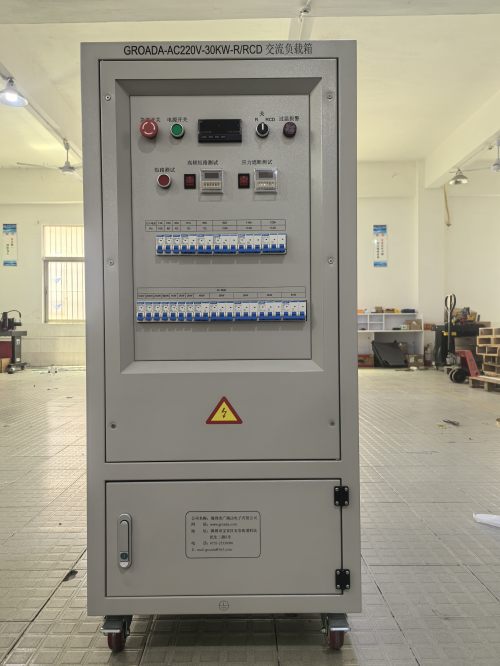
反応負荷バンク:これらは、モータードライブ機器(感應)またはコンデンサーバンク(容量)をエミュレートするために感應または容量反応を導入します。産業工場や再生可能エネルギー農場で使用され,反応電力処理能力と興奋システムの応答時間を評価するのに役立ちます.
- 組み合わせ(RLC)負荷バンク:これらは抵抗および反応要素の両方を統合し、フルスペクトルの負荷シミュレーションを提供します。リモート鉱山作業や複数の負荷プロフィールを同時に検証する必要があるバックアップ電力システムで使用されるディーゼル発電機セットに最適です.
例えば,480VACで動作する500kWの3相抵抗負荷バンクは,1相あたり625Aまで供給することができます (P = √3 × V × I × PFで計算され,ユニットパワー系数を前提としています).適切な冷却(通常は高効率ファンを通じて強制空気)により、UL 1004規格による75°C以下の安全な作動温度を維持します。このような精度は,発電機が持続的な負荷の下で,特にピーク需要期間で,過熱または電圧崩壊を経験しないことを保証します.
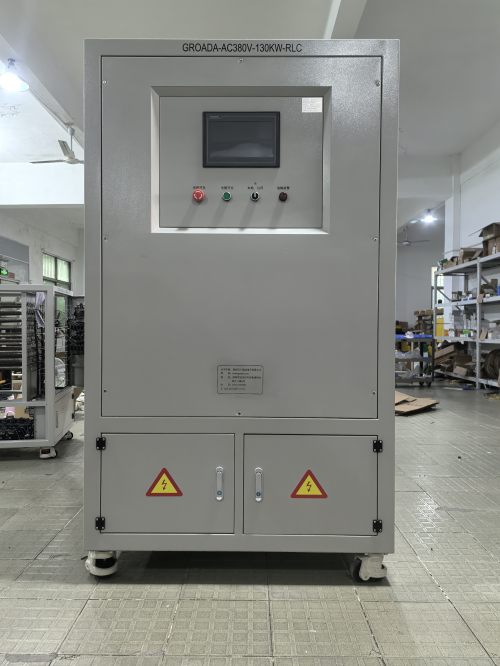
現代のポータブルロードバンクは,Modbus TCP/IP通信インターフェースを備えたデジタル制御パネルを使用し,SCADAシステムまたはモバイルアプリを通じてリモートモニタリングを可能にします.一部のモデルは,車両管理プラットフォームに統合するためのCANバスプロトコルもサポートしています.監視されている主要なパラメータには:
- 電圧偏差(±1%の精度)
- フェーズ間の現在のバランス(<3%の不均衡が許可されます)
- Active/reactive power measurement (accuracy ±0.5%)
- Power factor adjustment range (from 0.1 lagging to 1.0 leading)
These devices comply with international safety standards such as CE, UL, and CCC certifications depending on regional markets. They typically have IP54 enclosures for dust and splash protection, making them suitable for outdoor deployment in harsh environments like oil rigs or construction sites.
Mechanical design plays a crucial role in portability and ease of handling. Most units weigh between 300–1,200 kg and come equipped with lifting eyes, fork-lift pockets, and rugged steel chassis. For instance, a 1,000 kW unit might measure 1.5 m x 1.2 m x 1.8 m and be transportable by standard trailer or flatbed truck.
Safety mechanisms include ground fault detection, short-circuit protection, overtemperature shutdowns, and emergency stop buttons. Many units also incorporate thermal imaging cameras or IR sensors for continuous temperature mapping of resistor arrays—an innovation increasingly adopted in field service reports from companies like Caterpillar and Cummins.
Maintenance schedules should align with manufacturer recommendations—usually annual calibration against NIST-traceable standards—and replacement of consumables like resistor blocks every 3–5 years based on total hours of operation. Fan filters, circuit breakers, and contactors may require biannual inspection depending on environmental exposure.
Case Study – Anonymized Example:
A wind farm developer in northern Germany needed to validate the grid connection capability of a new 1 MW diesel generator set serving as a backup for off-grid turbine operations. Using a 1,200 kVA RLC load bank, engineers conducted a 4-hour ramp-up test from 0% to 100% load in 15-minute intervals. The generator maintained stable voltage (480 V ±2%) and frequency (50 Hz ±0.1 Hz) throughout. However, the automatic voltage regulator (AVR) exhibited slow response time when transitioning from no-load to full-load, prompting firmware updates and recalibration. Post-test results were documented per IEEE Std 1159-2019 guidelines for power quality measurements, leading to improved system reliability before full-scale deployment.
Another Simulated Example:
A hospital in Singapore performed monthly load testing on its standby generators using a 300 kW portable resistive load bank. By running each generator at 75% load for 1 hour, technicians ensured battery charging efficiency, fuel system integrity, and engine warm-up behavior. Data collected showed consistent performance over 12 months, with only minor variations in starting time (<3 seconds), confirming compliance with AS/NZS 3740:2019 requirements for backup power systems in healthcare facilities.
To maximize return on investment, operators should adopt standardized test procedures aligned with IEC 60034-1 and IEEE 1159. Additionally, integrating load bank data into predictive analytics platforms allows early detection of degradation trends—such as increased internal resistance in resistor blocks or reduced fan airflow—which can prevent unexpected failures.
Ultimately, portable load banks are not merely diagnostic tools—they are strategic assets for maintaining uptime, minimizing downtime costs, and ensuring regulatory compliance across sectors including manufacturing, telecom, healthcare, and renewable energy. As power systems grow more complex, so too must our ability to rigorously test them under realistic, scalable, and traceable conditions.