発電機メンテナンスとパフォーマンス検証のためのポータブルロードバンクテスト
ポータブルロードバンクは,電力システムのテスト,検証,メンテナンスにおいて不可欠なツールです.特にバックアップ電力,産業施設,遠隔サイト,および重要なインフラストラクチャで使用される発電機です.これらのデバイスは,現実の電気負荷をシミュレートし,発電機が様々な条件で評価電力を提供できるかどうかを確認し,緊急事態やピーク需要期間で信頼性を保証します.固定装置とは異なり,ポータブルロードバンクは,異なる場所と環境で柔軟性を提供し,フィールドエンジニア,メンテナンスチーム,エネルギーシステムオペレータにとって不可欠です.
典型的なポータブルロードバンクは,モーター,照明,HVACシステム,または発電機に接続されている他の機器の実際のロード特性を模擬するために設計された抵抗性,反応性,または組み合わせ (RLC) モジュールで構成されています.コア機能は,電圧の安定性,周波数調節,燃料消費,排出などの重要なパラメータを監視しながら,発電機に制御された電気負荷を適用することです.このプロセスにより,ユーザーは,機械的な磨損,燃料の混合不良,またはガバーナーの応答遅延などの問題を早期に検出することができます.
最も一般的なタイプは:
- 抵抗負荷バンク: これらは高電力抵抗ブロックを使用して電気エネルギーを熱に変換します。エンジンの性能,冷却システムの効率,発電機の全体容量のテストに最適です.これらはディーゼル発電機や天然ガス発電機に一般的に見つかる純粹な実力を表します。
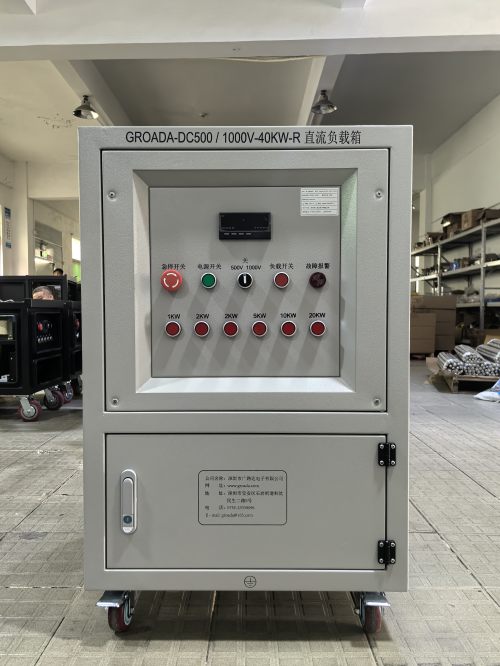
- 反応負荷バンク:反応力(kVAR)をシミュレートするための誘導または容量部品を含んでいます。主に,風力タービンや太陽光発電所などのグリッド接続または再生可能エネルギーシステムで3相アプリケーションにおける興起システム,電圧調節器,発電機能力のテストに使用されます.
- 組み合わせ(RLC)負荷バンク:電圧要素と反応要素の両方を提供し、パワーファクター調整を含むフルスペクトル負荷テストを可能にします。大型発電機,データセンター UPS システム,またはダイナミックロード行動を複製する必要があるマイクログリッド統合シナリオの工場受け入れテスト (FAT) で頻繁に使用されます.
現代のポータブルロードバンクは,Modbus RTU/ASCIIまたはTCP/IP通信インターフェースを備えたPLCベースのコントローラなどの高度な制御システムを統合し,イーサネットまたはワイヤレスプロトコルを通じてリモートモニタリングを可能にします.いくつかのモデルには,電圧,電流,活動力 (kW),反応力 (kVAR),明電力 (kVA),パワー要因の正確な測定のためのデジタルメーターが組み込まれています.これらはすべて,電力品質に関するIEC 60034-1 (回転電気機械 - パート1: 評価とパフォーマンス) 規格に準拠するために重要です.
主要な技術仕様は通常:
- パワーレンジ:ポータビリティクラスに応じて5 kWから5,000 kVAまで
電圧レベル:単相(120-277 VAC)または三相(208-600 VAC)
- Current Capacity: Up to 1,000 A per phase
- Cooling Methods: Forced air-cooled (fan-driven) or liquid-cooled (water jacketed)
- Thermal Protection: Integrated temperature sensors and automatic shutdown at set thresholds
- Control Interface: Local panel with LCD display + optional remote PC interface or cloud-based dashboard
Safety features are equally important. All certified units comply with CE, UL, and CCC standards, featuring ground fault protection, short-circuit tripping, overvoltage/undervoltage detection, emergency stop buttons, and robust chassis design suitable for outdoor use (IP54 or higher). For example, a simulated case study from a mid-sized hospital in Texas showed that after installing a portable 3-phase resistive load bank for monthly generator tests, the facility reduced unscheduled outages by 70% over two years due to early detection of fuel injector clogging and faulty battery charging circuits.
In addition to routine maintenance, portable load banks play a critical role in new installation validation. According to an anonymized case study conducted by a major telecom provider in India, a 1,200 kVA portable RLC load bank was used to validate a diesel generator installed at a rural cell tower site. During the 72-hour continuous load test, the generator maintained stable output within ±1.5% voltage variation and ±0.5 Hz frequency deviation—an outcome verified against IEEE Std 1159 requirements for commercial power quality. This ensured seamless integration into the existing grid and prevented costly downtime during monsoon season when local power supply becomes unreliable.
Maintenance of these systems involves periodic calibration (every 12 months), inspection of resistor blocks for oxidation or cracking, fan replacement every 3–5 years, and cleaning of air filters and cooling ducts. Recommended spare parts include fuse holders, contactors, thermocouples, and auxiliary cables. Most manufacturers provide calibration certificates traceable to NIST or equivalent national metrology institutes.
Portable load banks also support dynamic load testing for renewable energy systems. For instance, wind farms undergoing commissioning often use reactive load banks to simulate lagging and leading power factors to ensure turbine inverters remain synchronized with utility grids. Similarly, solar farm integrators use combination load banks to test how quickly their inverters respond to sudden changes in irradiance—a key metric for grid resilience.
From an operational standpoint, portability enhances usability across multiple sites without requiring permanent infrastructure. Units with lifting eyes, forklift pockets, and rugged wheels allow easy transport between buildings or across job sites. When deployed correctly, they reduce long-term costs associated with unplanned failures, extend generator life through proactive maintenance, and meet regulatory obligations for safety inspections mandated by OSHA, NFPA 110, and similar bodies worldwide.
In conclusion, portable load banks are not just diagnostic tools—they are strategic assets for maintaining power system integrity. Whether for generator factory acceptance, routine preventive maintenance, or complex grid interconnection validation, their versatility, precision, and adherence to international standards make them indispensable for modern electrical engineering practices. As the demand for resilient and reliable power grows—especially in developing regions and climate-vulnerable areas—the role of well-maintained, properly tested portable load banks will only increase.