GROADA-AC600V-25KW-RCD инвертор банк нагрузки
GROADA AC600V-25kW RCD Load Bank является профессиональным испытательным устройством, предназначенным для имитации реального мира. ..
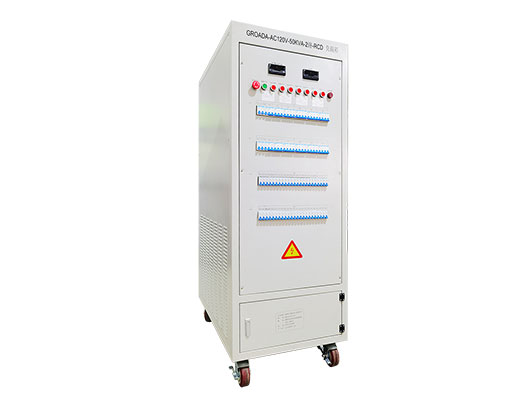
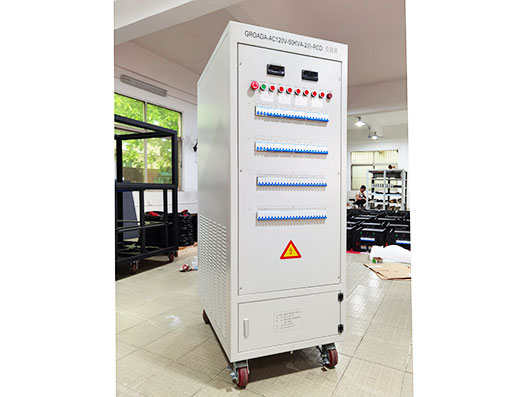
| Модель | AC220V-5KW-РКД | AC220V-10KW-РКД | AC220V-15KW-РКД | AC220V-20KW-РКД | АЦ380В -30KW-РКД | АЦ380В -50KW-РКД | АЦ380В60KW-РКД | АЦ380В100кВт-РКД | АЦ380В -200 кВт-РКД |
| Номинальная мощность | R = 5 кВт | R = 10 кВт | R = 15 кВт | R = 20 кВт | R = 30 кВт | R = 50 кВт | R = 60 кВт | R = 100 кВт | R = 200 кВт |
| РКД = 5КВА | RCD = 10 КВА | RCD = 15 КВА | RCD = 20 КВА | РКД = 30КВА | RCD = 50КВА | RCD=60КВА | RCD=100КВА | RCD=200КВА | |
| Входный ток | 0-22А | 0-45А | 0-45А | 0-90А | 0-45А | 0-300А | 0-450А | 0-600А | 0-750А |
| Размер (ширина * глубина * высота мм) | 500*600*800 | 500*600*1000 | 500*600*1100 | 500*750*1100 | 600*850*1400 | 600*850*1600 | 600*850*1850 | 700*1000*1800 | 1100*1400*1800 |
| Вес | 50 кг | 80 кг | 100 кг | 130 кг | 200 кг | 300 кг | 350 кг | 450 кг | 550кг |
| Входное напряжение | AC220/230В | AC380/400В | |||||||
| Другое входное напряжение может быть настроено в соответствии с требованиями | |||||||||
| Минимальная нагрузка | 100 Вт | 100 Вт | 100 Вт | 100 Вт | 100 Вт | 1 кВт | 1 кВт | 1 кВт | 1 кВт |
| Другая минимальная мощность загрузки может быть настроена в соответствии с требованиями | |||||||||
| Общая точность | 3% (другие требования точности могут быть настроены в соответствии с требованиями) | ||||||||
| коэффициент мощности | PF = 0,6 ~ 1,0 | ||||||||
| пиковый коэффициент | от 2 до 3 | ||||||||
| Режим управления | Локальный ручный/удаленный хост-компьютер (локальный режим ручного управления: выключатель/кнопка/сенсорный экран трехсторонний опциональный, другие методы могут быть настроены по мере необходимости) | ||||||||
| Удаленный интерфейс | RS232/RS485/USB/RJ45/CAN/GPIB (другие режимы интерфейса могут быть настроены в соответствии с требованиями) | ||||||||
| Функция защиты | Защита от аварийной остановки, защита от перетемпературы, защита от блокировки нагрузки вентилятора, защита от заземления (выберите защиту от перенапряжения, защиту от перетока, защиту от короткого замыкания, перегрузку вентилятора, недостаточный объем воздуха) | ||||||||
| Рабочее питание | АЦ220В | AC220V / AC380V | |||||||
| Точность отображения | Уровень 0,5 (другая явная точность может быть настроена в соответствии с требованиями) | ||||||||
| Параметры отображения | Напряжение, ток, мощность, частота, коэффициент мощности и т.д. (другие явные методы могут быть настроены в соответствии с требованиями) | ||||||||
| Холодный уверенный способ | Бочный вход воздуха и верхний выход воздуха (другие методы выхода воздуха могут быть настроены в соответствии с требованиями) | ||||||||
| Уровень защиты | IP20 (другой уровень защиты может быть настроен в соответствии с требованиями) | ||||||||
| Внешний цвет | RAL7035 (другие цвета могут быть настроены в соответствии с требованиями) | ||||||||
| Рабочая температура | -10 ℃ ~ 55 ℃ | ||||||||
| Относительная влажность | ≤95%RH | ||||||||
| Высота | ≤ 2500 м | ||||||||
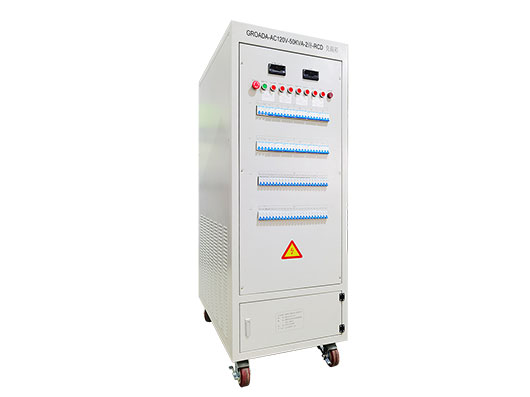
В современной энергетической инфраструктуре необходима точность в тестировании и проверке поведения источника в условиях реальной нагрузки. ВБанк нагрузки инвертора AC 120V 50 kVA RCDот GROADA разработан для моделирования реальных электрических нагрузок для инверторов, UPS, генераторов и аккумуляторных систем в безопасных и повторяемых условиях.
Используя сопротивляющее, реактивное или комбинированное моделирование нагрузки, банки нагрузки инвертора помогают выявить скрытые проблемы с производительностью или стабильностью, прежде чем они могут повлиять на операции. Это устройство особенно ценно для:
Ввод в эксплуатацию новых энергосистем или инверторов
Рутинное обслуживание систем хранения энергии
Стрессовое испытание резервных генераторов и UPS
Обеспечение соответствия системы стандартам безопасности и регулирования
Вот разбивка функций высокого уровня, о которых будут заботиться ваши посетители, и это поможет поисковым системам понять актуальность и глубину страницы:
Номинальный выход:120 В переменного тока, 50 кВА
Защита РКД и безопасность:включает в себя Остаточное токовое устройство для защиты оператора и оборудования
Inverter-compatible operation: supports bidirectional or controlled load injection to mimic inverter behavior
Precise load control: multi-step or continuous control, with accurate current/voltage metering
Cooling & thermal management: forced air cooling with intelligent fan control to manage resistor element temperature
Monitoring & communication: local display and optional remote interface (e.g. via RS-485, Ethernet, or other protocol)
Modular & maintainable design: replaceable resistor modules, easy access panels
Protection & safety features: overcurrent, overtemperature, short circuit, emergency stop
By emphasizing these aspects, the page signals both to users and to Google that it contains useful, detailed product content rather than shallow marketing fluff.
To build trust and authority, it’s useful to situate this product into its broader technical and market context:
What is a load bank?
A load bank is a device that imposes an electrical load on a power source in a controlled manner, converting that energy (usually via resistors) to heat, often dissipated by forced-air or water cooling systems. This allows engineers to test generators, UPSs, inverters, or batteries under known, stable loads without relying on unpredictable real-world load behavior.
Why inverter-compatible load banks?
Traditional resistive load banks impose static loads; inverter load banks, however, can more closely mimic dynamic power conversion behaviors (e.g. voltage drop, harmonic response) and can be used in conjunction with power electronics. This is especially relevant in modern microgrids, renewable systems, and energy storage test benches.
Market trends & demand
The global load bank market is projected to grow at a compound annual growth rate (CAGR) of ~3.7% from 2025 to 2032, expanding from ~$300 million in 2025 to ~$387 million by 2032.
Drivers include increased deployment of data centers, renewable energy integration, stricter power reliability standards, and wider use of battery/inverter systems. Enercon+1
In Asia-Pacific, especially China and India, industrial expansion and power infrastructure upgrades are accelerating demand for load testing and commissioning equipment.
By referencing these data points (with citations), the page demonstrates that the product is relevant in a growing, technology-driven sector.
To further increase relevance and user trust, lay out concrete scenarios where your product adds value:
| Application | Benefit / Use Case |
|---|---|
| Generator commissioning & acceptance testing | Verify full-load performance, thermal stability, load transient response |
| UPS & battery system verification | Confirm DC–AC inverter behavior under load, simulate real consumption profiles |
| Renewable + storage systems | During debugging/integration, impose known loads on inverter systems to test control logic |
| Maintenance & preventive testing | Routinely exercise systems to avoid “wet stacking,” carbon build-up, or capacity derating |
| Data center & mission critical facilities | Validate that backup systems can seamlessly take over under full load |
Including real user scenarios helps Google and users see your page as practically useful, boosting engagement and dwell time (factors that support SEO).
To help engineers / purchasers make informed decisions, you can include guidance or best practices:
Sizing margin: Choose a load bank with at least 20% headroom above expected maximum load to ensure longevity and safety under transient stress.
Power factor and reactance: If users need to test non-unity power factor loads (e.g. inductive or capacitive), consider combining with reactive modules or using R / L / C combination load banks.
Cooling & ambient conditions: The design must account for ambient temperature, ventilation constraints, and altitude.
Measurement accuracy: Use high-precision voltage and current sensors, with calibration, to ensure valid test data.
Safety and compliance: Design must comply with relevant electrical safety standards (e.g. IEC, UL, local codes), use proper insulation, earthing, overcurrent protection, and safe operator interface.
Maintenance tips: Periodic inspection of resistor elements, fan filters, connection integrity, insulation resistance, and firmware upgrades (if remote control is supported).
By offering this level of detail, the page becomes more than a sales pitch — it’s a resource, strengthening EEAT.
To boost trust (the “T” in EEAT), you should include or anchor (in surrounding parts of the site) elements like:
Company credentials & history: e.g. years of experience in power test / electrical load equipment manufacturing
Certifications & standards compliance: ISO, CE, UL, or others
Case studies / project references: real projects where this unit or similar ones were deployed (data centers, utility projects, etc.)
Third-party validation / testimonials: quotes from users, labs, or certifications
After-sales support & warranty: spare parts, calibration service, technical support coverage
In the body you can include a brief paragraph like:
GROADA is a specialist in power test solutions, with X years of experience designing reliable load banks. All units are factory tested, and we provide global after-sales support, spare parts, and calibration service to assure your long-term operational reliability.
Conclude with a user-focused, persuasive call to action, e.g.:
For detailed specifications, drawings, or customized configurations of the 120 V 50 kVA RCD inverter load bank, please contact our technical team. Let us help tailor a load testing solution that fits your system needs — from initial sizing to full test commissioning and long-term support.
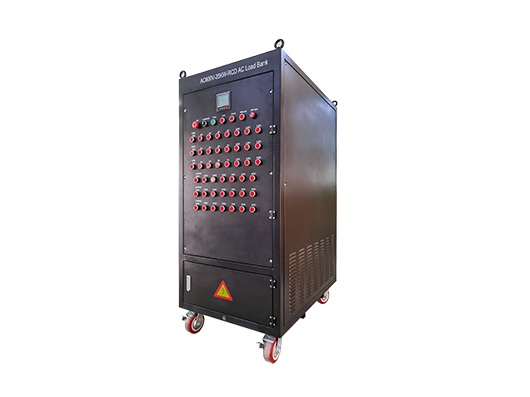 01
01
GROADA AC600V-25kW RCD Load Bank является профессиональным испытательным устройством, предназначенным для имитации реального мира. ..
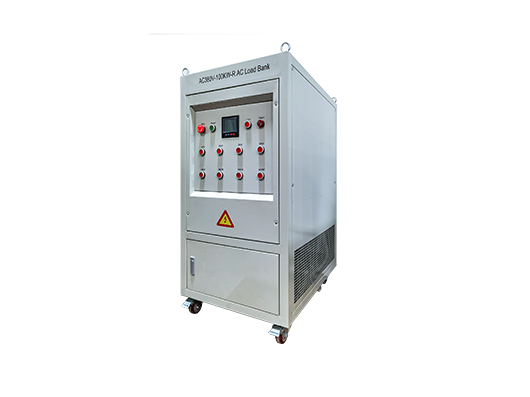 02
02
МодельAC220V-6KW-RAC380V-30KW-RAC380V-60KW-RAC380V-100KW-RAC380V-200KW-RAC380V-400KW-RAC380V-500KW-RA. ..
 03
03
Высокопродуктивный банк нагрузки инвертора RCD AC 120V 50 kVA для испытания генератора, UPS и системы питания. ...
 04
04
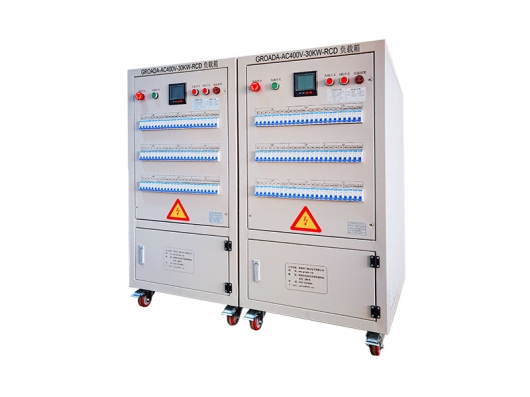
GROADA-AC400V-30KW-RCD нелинейная нагрузочная коробка_Shenzhen guangluda electronics co., ltd. ..









