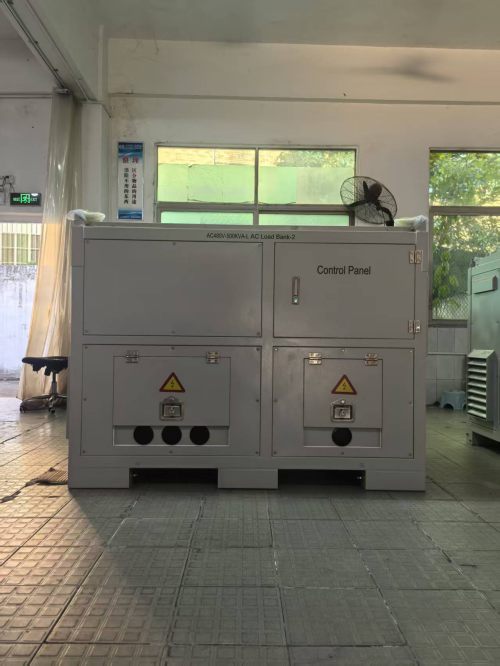
Understanding Load Bank Testing for Generator and UPS Systems
Load bank testing is a critical procedure used to verify the performance, reliability, and safety of power generation systems such as generators, uninterruptible power supplies (UPS), and backup power units. This method simulates real-world electrical loads without requiring an actual power-consuming load, making it ideal for factory acceptance testing (FAT), preventive maintenance, and commissioning of new installations.
The body of this process involves deploying resistive, reactive, or combined (RLC) load banks that mimic the electrical characteristics of actual loads—such as motors, lighting, or data centers. Resistive load banks are the most common type, absorbing power as heat through high-power resistors and offering stable, predictable performance. Reactive load banks, typically inductive or capacitive, simulate the lagging or leading power factor of industrial equipment like transformers or variable frequency drives. Combined RLC load banks allow engineers to test both real and reactive power components simultaneously, ensuring comprehensive system evaluation under realistic conditions.
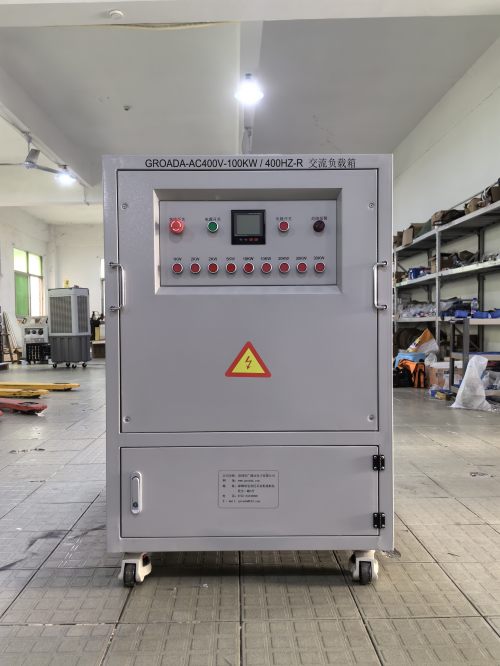
Safety is paramount during load bank operations. Equipment must comply with international standards such as IEC 60034-1 for motor testing and IEEE 1159 for power quality. Key safety features include grounding terminals, over-temperature protection, short-circuit protection, and emergency stop (E-STOP) functionality. Portable models often feature IP54-rated enclosures and forklift-compatible chassis for ease of transport across construction sites or remote locations.
Maintenance practices include annual calibration using certified reference standards, inspection of resistor elements and cooling fans, and scheduled replacement of consumables like contactors or cooling filters. Based on field experience, regular load testing every 3–6 months improves system uptime and prevents unexpected failures—especially in critical infrastructure like hospitals or data centers.
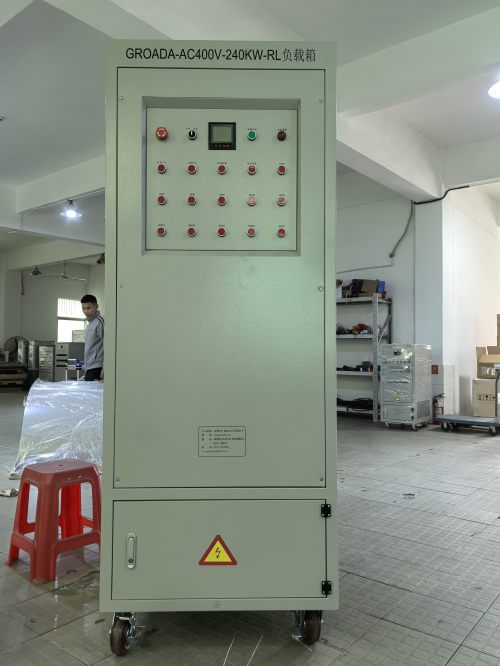
In conclusion, load bank testing is not just a compliance requirement—it’s a proactive engineering practice that validates system readiness, detects hidden faults, and ensures long-term operational resilience. Whether for generator factory acceptance testing, UPS load testing, or microgrid grid connection validation, the right load bank strategy delivers measurable benefits in safety, efficiency, and asset longevity.