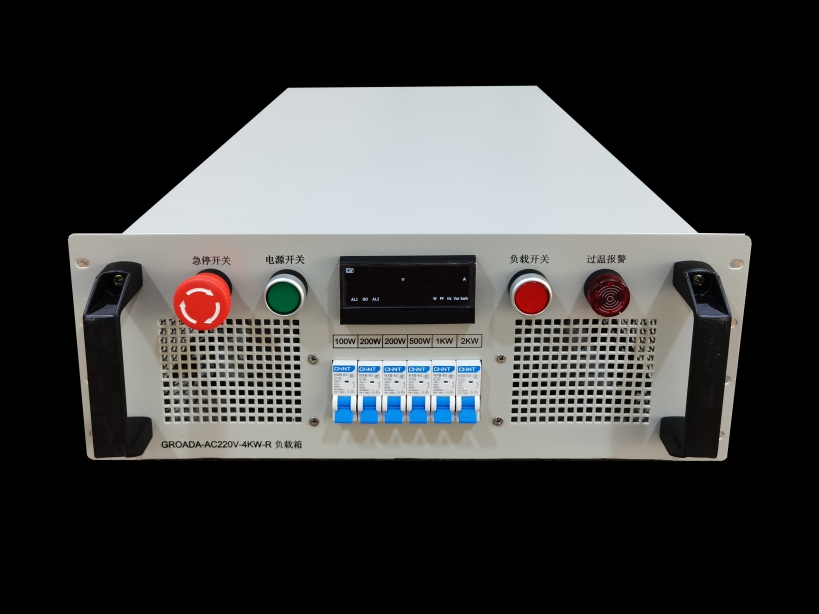
An ASCO load bank is a specialized testing device used to simulate electrical loads in power systems, ensuring reliable performance of generators, transformers, and uninterruptible power supplies (UPS). These load banks are commonly employed during factory acceptance tests (FAT), commissioning, and routine maintenance of backup power systems. The ASCO brand, known for its high-quality switching and control solutions, offers load banks that integrate precision engineering with robust safety features.
Resistive load banks, the most common type, convert electrical energy into heat using large resistor blocks, making them ideal for testing generator output capacity under real-world conditions. Reactive load banks introduce inductive or capacitive reactance, allowing for power factor testing—critical when verifying generator voltage regulation under varying load types. Combination (RLC) models provide both resistive and reactive load profiles, offering comprehensive system validation.
ASCO load banks typically support single-phase or three-phase configurations, with ratings from 10 kW up to several megawatts. They feature advanced thermal management systems—either air-cooled or water-cooled—to handle extended testing durations without overheating. Safety mechanisms such as overtemperature protection, emergency stop buttons, and grounding compliance ensure safe operation per IEC 60034-1 and IEEE 1547 standards.
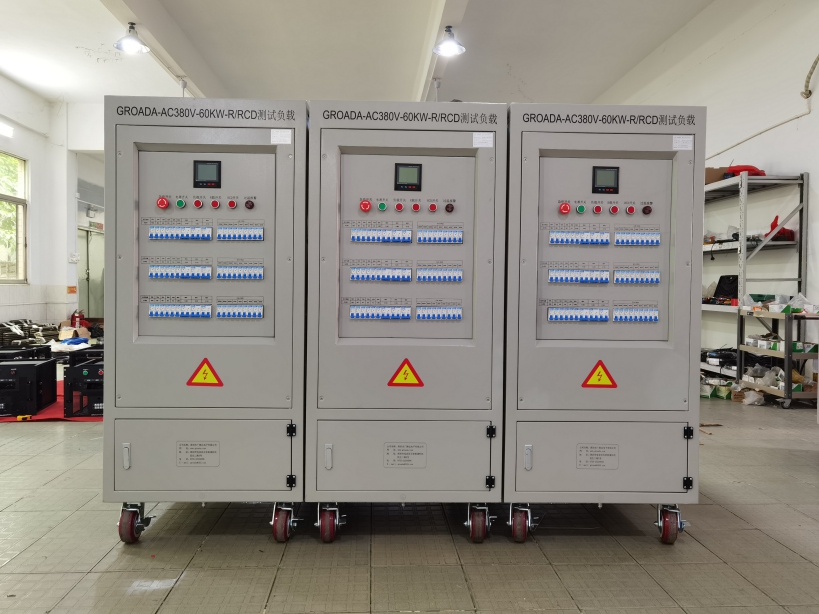
Control interfaces like Modbus RTU, CAN bus, and Ethernet allow remote monitoring and automation, while digital displays show voltage, current, active/reactive power, and power factor with ±1% accuracy. For portability, many models include lifting eyes, casters, and IP54-rated enclosures, enabling easy transport across construction sites, data centers, or industrial facilities.
A simulated case study from a wind farm grid connection test demonstrated that an ASCO three-phase reactive load bank helped validate generator synchronization stability under variable load conditions. Testing lasted 8 hours at 95% rated load, confirming stable voltage regulation within ±2%, which aligned with utility interconnection requirements.
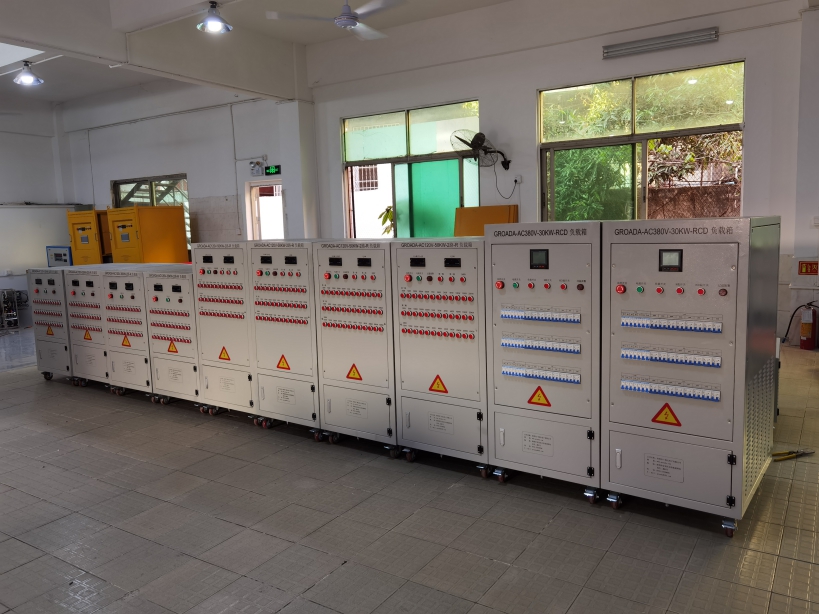
Maintenance includes annual calibration using NIST-traceable instruments and periodic fan/resistor block inspections. Spare parts such as resistor modules and cooling fans have a recommended replacement cycle of 3–5 years depending on usage intensity.
These devices are essential for engineers and facility managers who prioritize reliability, compliance, and long-term asset health in critical power infrastructure.