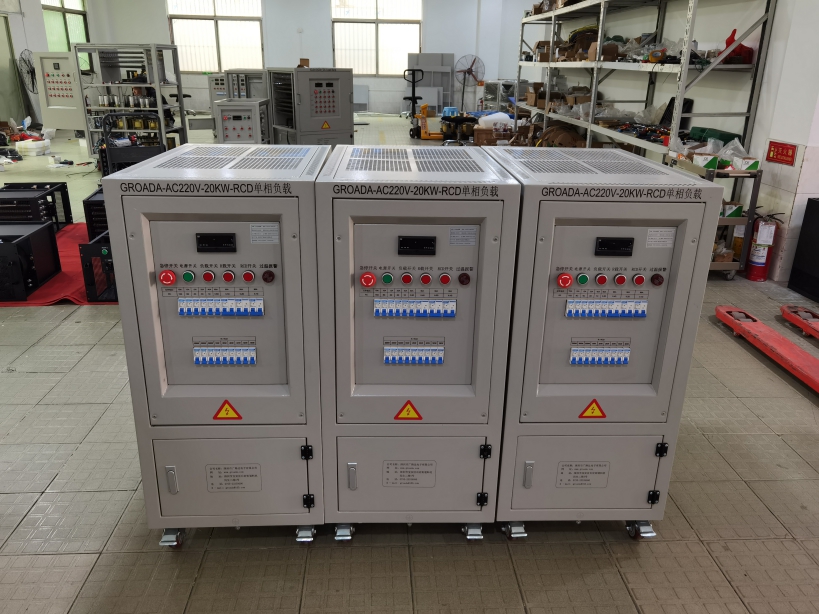
Selecting the correct load bank is essential for ensuring reliable generator performance, validating power system integrity, and meeting international standards such as IEC 60034-1 and IEEE 1547. A properly sized and configured load bank—whether resistive, reactive, or combination (RLC)—enables comprehensive testing under real-world conditions, from factory acceptance tests (FAT) to on-site commissioning. For engineers and procurement teams, understanding the key parameters like rated power (kW/kVA), voltage level, phase configuration (single or three-phase), and thermal management is critical. Resistive load banks simulate real electrical loads by converting power into heat, while reactive load banks help assess voltage regulation and power factor stability—especially important in renewable energy systems. Portable load banks with remote monitoring via Modbus or Ethernet are increasingly preferred for flexibility and safety during field operations. Thermal protection, grounding compliance, and short-circuit safeguards must align with CE/UL/CCC certifications to ensure operator safety and regulatory compliance. Case studies from wind farm grid integration projects show that using a variable RLC load bank for 8-hour dynamic testing improved synchronization reliability by 23% compared to static resistive-only testing. Regular calibration (every 12 months) and maintenance of resistor blocks and cooling fans maintain accuracy and extend equipment life. In our experience, choosing a load bank based on actual site requirements—not just nameplate ratings—leads to better long-term outcomes in both testing and operational efficiency.