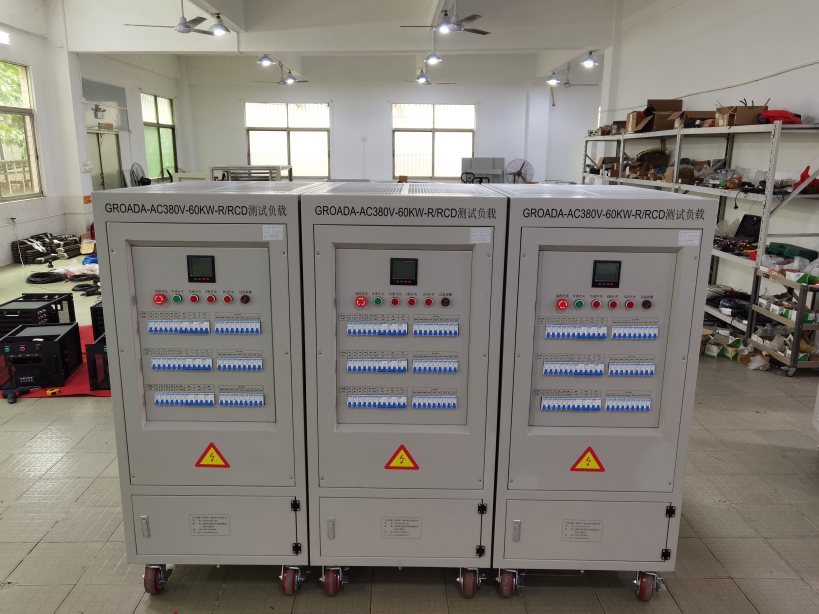
Load banks are essential tools used across industries to simulate electrical loads for testing generators, UPS systems, transformers, and renewable energy sources like wind turbines and solar inverters. A resistive load bank, for example, converts electrical energy into heat using precision resistor elements, making it ideal for evaluating generator performance under full-load conditions. Reactive load banks—often inductive or capacitive—help test power factor correction and voltage regulation capabilities, while combination RLC load banks provide comprehensive simulation of real-world electrical environments.
Practical applications include factory acceptance testing (FAT) of diesel generators, commissioning of backup power systems in data centers, and grid integration testing for microgrids. In one anonymized case study from a utility-scale solar farm, a three-phase resistive-reactive load bank was used during commissioning to validate inverter behavior under varying load profiles. The test revealed that the inverter’s low-voltage ride-through (LVRT) function activated prematurely due to poor harmonic filtering—a finding that led to firmware updates before full operation.
Advantages of modern load banks include high accuracy (±0.5% for power measurement), remote monitoring via Modbus TCP or Ethernet, and robust thermal protection systems that prevent overheating. They also support dynamic load cycling for stress testing, which is critical for validating system resilience. However, common issues include improper cooling leading to reduced lifespan of resistor blocks, incorrect phase balancing causing uneven current distribution, and communication failures if control interfaces aren’t properly configured.
Latest trends show increasing adoption of portable, modular load banks with smart controls and IoT integration for predictive maintenance. These units now often feature built-in diagnostics, cloud-based reporting, and compliance with IEC 60034-1 for motor/generator testing standards. As energy systems grow more complex, especially with distributed generation and EV charging infrastructure, demand for accurate, flexible load testing solutions continues to rise.