
Portable load banks are essential tools in the testing, commissioning, and maintenance of electrical power systems such as generators, uninterruptible power supplies (UPS), and battery backup systems. Designed to simulate real-world electrical loads, these devices allow engineers to verify system performance under various operating conditions—ensuring reliability before critical operations begin or during routine checks.
A portable load bank typically consists of resistive, reactive, or combination (RLC) elements that can be configured to match the specific needs of the equipment being tested. Resistive load banks convert electrical energy into heat using precision resistor blocks, simulating pure active power consumption—a common requirement when testing diesel or natural gas generators. Reactive load banks, on the other hand, introduce inductive or capacitive reactance to mimic motor loads, transformers, or lighting systems, enabling voltage regulation and power factor testing. Combination load banks offer both resistive and reactive capabilities in one unit, allowing comprehensive testing across multiple parameters.
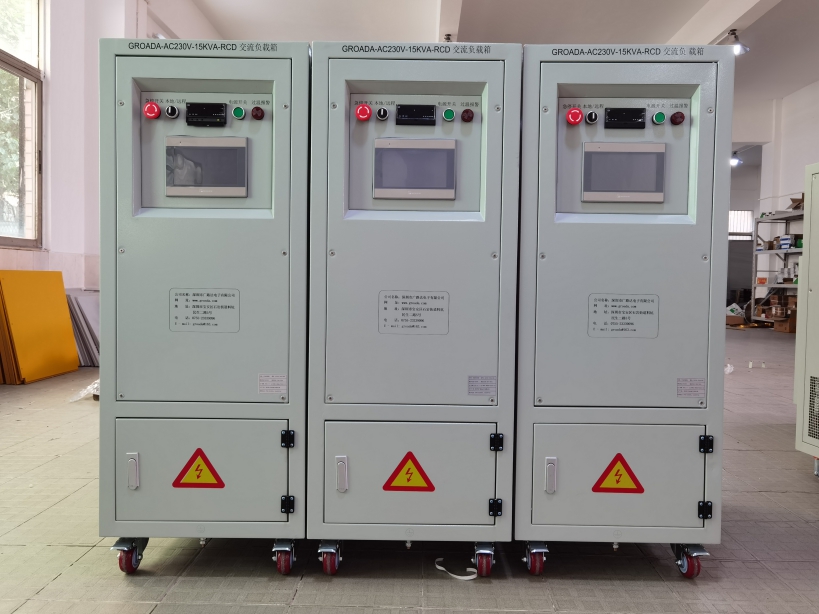
For industrial applications, portability is a key advantage. Unlike fixed installation load banks used in factory acceptance tests (FATs), portable units can be transported to remote sites, temporary facilities, or construction zones where permanent infrastructure may not yet exist. This flexibility makes them ideal for pre-commissioning checks at new solar farms, wind turbines, or data centers, as well as post-maintenance validation after generator servicing or UPS upgrades.
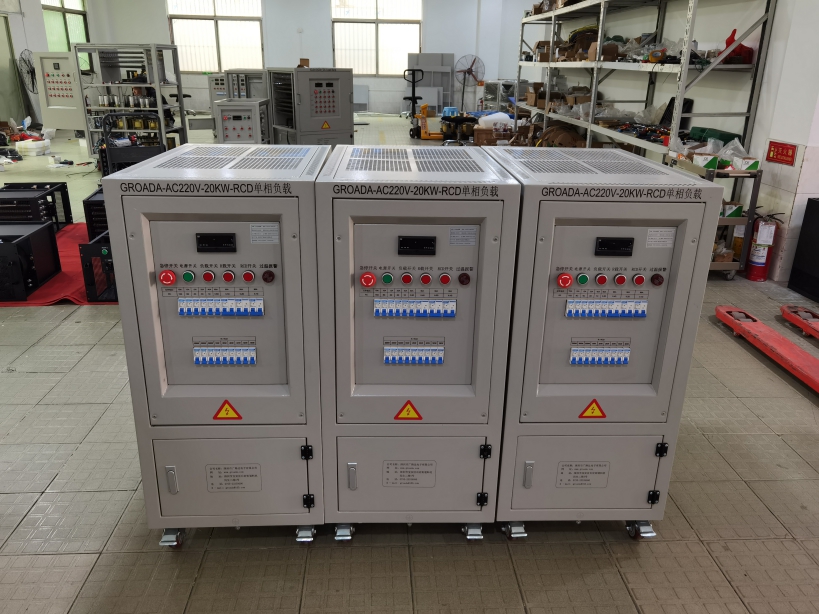
Modern portable load banks often include advanced features such as digital control interfaces (Modbus TCP/IP, CAN bus, RS-485), remote monitoring via Ethernet or Wi-Fi, and automatic thermal protection. These capabilities reduce manual intervention, improve accuracy, and ensure consistent test results. According to IEC 60034-1 (2021 edition), electric motors and generators must undergo load testing to confirm rated output and operational stability under varying load conditions—a standard that directly supports the use of calibrated portable load banks.
The design of modern portable load banks also prioritizes safety and compliance. Units are typically CE-marked for European markets and UL-listed for North America, meeting stringent requirements for grounding, overcurrent protection, short-circuit resilience, and temperature management. For example, a typical three-phase resistive load bank rated at 100 kW might feature IP54-rated enclosures, water-cooled resistors for extended duty cycles, and built-in E-stop buttons for immediate shutdown in emergencies.
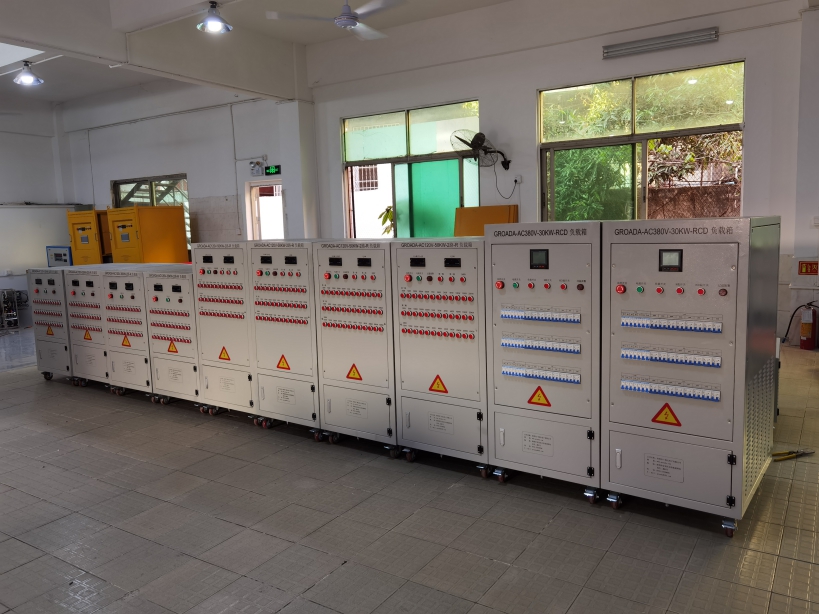
In terms of technical specifications, most portable load banks operate from 208V to 480V AC, support single- or three-phase configurations, and provide adjustable power factors ranging from 0.8 lagging to 1.0 leading. Their current ranges vary depending on application—for instance, a 50 kW unit might handle up to 125 A per phase at 400 V. Accuracy in measuring active power, reactive power, and power factor is usually within ±1% under normal operating conditions, based on IEEE Std 1159-2019 guidelines for power quality measurements.
Case studies demonstrate their practical value. In an anonymized case study conducted at a manufacturing plant in Germany, a 75 kW portable resistive load bank was used to validate a newly installed standby generator prior to production startup. The test confirmed that the generator maintained stable frequency (50 Hz ±0.2 Hz) and voltage (400 V ±2%) across all phases even under full load, preventing costly downtime during a critical shift change. Similarly, in a simulated example involving a data center UPS system in Singapore, a 120 kVA combined RLC load bank enabled identification of a low power factor issue caused by outdated rectifiers—an issue resolved before it led to overheating and potential failure.
Maintenance and calibration are crucial for long-term accuracy. Most manufacturers recommend annual calibration using certified equipment traceable to NIST standards. Consumable parts like resistor blocks and cooling fans should be inspected every 6 months and replaced as needed, especially in high-duty-cycle environments. A basic spare parts list includes replacement resistor cartridges, fan assemblies, and control module cables—typically available within 48 hours from authorized distributors.
In summary, portable load banks play a pivotal role in ensuring the robustness of power generation and distribution systems across industries—from oil & gas to telecommunications and healthcare. By enabling precise, repeatable, and safe load testing, they help avoid unexpected failures, optimize efficiency, and comply with international standards such as IEC, IEEE, and ISO 13849. As renewable energy integration increases and microgrid deployments expand, portable load testing will remain indispensable for validating system readiness in dynamic environments.