
CE load bank testing is a critical procedure used to verify the performance, reliability, and safety of generators, UPS systems, and power distribution units under real-world operating conditions. Unlike routine maintenance, CE load bank tests simulate full-load scenarios—such as those encountered during peak demand or emergency outages—to ensure that equipment functions correctly when it matters most. These tests are especially important in industries like healthcare, data centers, manufacturing, and renewable energy where uninterrupted power supply is essential.
A CE-compliant load bank must meet strict European standards (e.g., IEC 60034-1 for motors and IEC 61000 for electromagnetic compatibility), ensuring electrical safety, thermal management, and accurate measurement capabilities. Modern CE load banks often include resistive, reactive, or combined RLC configurations to replicate various load types—from purely resistive (like lighting) to inductive (motors) or capacitive (power factor correction). For instance, a three-phase resistive load bank with a rated capacity of 500 kW at 400 V can test diesel generators used in remote construction sites or backup power systems in hospitals.
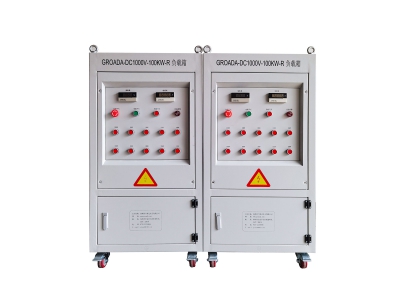
Key features of professional CE load banks include precise power factor control (typically from 0.8 lagging to 1.0 leading), digital monitoring via Modbus or Ethernet interfaces, automatic cooling systems (air or water), and overtemperature/overvoltage protection. Thermal protection ensures safe operation even under prolonged high-load conditions, while remote monitoring allows engineers to conduct tests without being physically present—a growing trend in smart grid and microgrid applications.
In one anonymized case study from a European data center, a 200 kVA generator was tested using a CE-certified portable load bank. The test revealed an unexpected voltage drop at 90% load, prompting immediate inspection of the excitation system. Corrective action prevented potential failure during a subsequent black-start scenario. This demonstrates how CE load bank reports provide actionable insights—not just pass/fail results—but also diagnostic value for long-term asset management.
For procurement teams and facility managers, choosing a CE-compliant load bank means investing in standardized, safe, and reliable testing procedures. Whether for factory acceptance testing (FAT), commissioning new installations, or periodic validation, these tools are indispensable for maintaining grid resilience and compliance with EU directives such as the Low Voltage Directive (LVD) and EMC Directive.