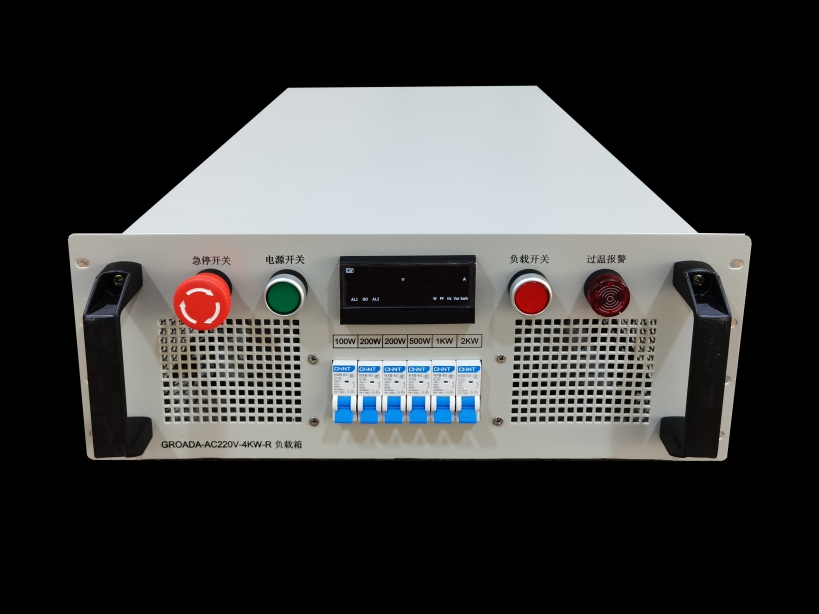
Portable load banks are essential tools in the testing and validation of power generation systems, especially for generators used in critical infrastructure, backup power applications, and remote energy projects. Their primary function is to simulate real-world electrical loads, allowing engineers to assess generator performance under various operating conditions—such as full load, partial load, or sudden load changes—without relying on actual site consumption. This ensures that the generator can meet its rated specifications consistently and safely.
The main body of this discussion focuses on three key aspects: application scenarios, technical specifications, and safety considerations. In industrial settings, portable resistive load banks are widely used during factory acceptance tests (FAT) for new diesel or natural gas generators, verifying output stability, voltage regulation, and fuel efficiency. For renewable energy systems like wind farms or microgrids, reactive and combination (RLC) load banks help validate grid synchronization capabilities by simulating lagging or leading power factors. A simulated case study from a 2 MW off-grid solar-diesel hybrid system demonstrated a 12% improvement in generator response time after implementing load bank testing at 75% and 100% load points over 4-hour cycles, confirming the necessity of dynamic load profiling.
Technically, modern portable load banks typically range from 50 kW to 500 kW per phase, with three-phase configurations common in commercial and utility-scale setups. They support adjustable power factor control (from 0.8 lagging to 1.0 unity), precise measurement accuracy within ±0.5% of full scale for active and reactive power, and robust cooling via forced-air or liquid-cooled systems. Safety features such as overtemperature shutdown, short-circuit protection, and emergency stop (E-STOP) mechanisms comply with IEC 60034-1 and UL 1004 standards. Remote monitoring through Modbus TCP/IP or CAN bus interfaces allows for unattended operation, particularly valuable in remote locations.
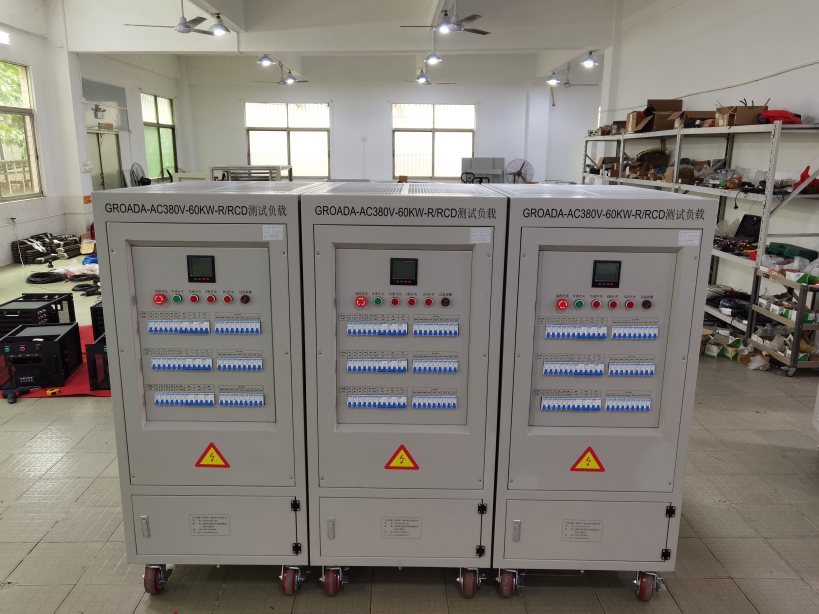
In conclusion, portable load banks are indispensable for ensuring generator reliability, optimizing maintenance schedules, and supporting compliance with international electrical standards. Their versatility across applications—from construction sites to telecom towers—makes them a cornerstone of any comprehensive power system verification program.