
Portable load banks are essential tools in the testing and validation of electrical generators, especially in industrial, commercial, and remote power systems. These devices simulate real-world electrical loads to ensure that a generator can perform reliably under various conditions—from full-load operation to transient response during startup or sudden load changes. Unlike fixed installations, portable load banks offer flexibility in deployment, making them ideal for field testing at construction sites, emergency backup locations, or during factory acceptance tests (FAT) before commissioning.
The core function of any load bank is to convert electrical energy into heat through resistive, reactive, or capacitive components. In most applications, resistive load banks dominate due to their simplicity and ability to mimic typical resistive loads like lighting, heating elements, and motors. However, reactive load banks—typically inductive or capacitive—are crucial when testing generators with varying power factors or when evaluating voltage regulation and stability under non-linear loads such as those found in data centers or renewable energy systems. A combination RLC (resistive-inductive-capacitive) load bank offers the highest versatility, enabling engineers to replicate complex load profiles across multiple phases and frequencies.
According to IEC 60034-1, which governs the performance requirements for rotating electrical machines including generators, load testing must be conducted at specified load levels (e.g., 25%, 50%, 75%, and 100%) to verify mechanical integrity, thermal behavior, and voltage/frequency regulation. This standard mandates that load tests be performed over durations sufficient to reach steady-state temperatures—not just instantaneous readings—to avoid false positives from transient cooling effects. Portable load banks designed for compliance with this standard typically include built-in thermocouples, digital meters for active/reactive power measurement, and programmable control units that allow stepwise loading and automated shutdown upon overheating.
One common application is generator factory acceptance testing (FAT). During FAT, manufacturers use portable load banks to validate that each unit meets its rated output capacity, efficiency, and emissions parameters before shipping. For example, a 500 kW diesel generator might be subjected to a 60-minute continuous load test at 100% power while monitoring fuel consumption, exhaust temperature, and engine vibration. If deviations exceed ±5% from baseline values, corrective action is required before delivery. An anonymized case study from a major power equipment supplier shows that implementing structured load bank testing reduced post-installation failures by 40% compared to units tested only with no-load conditions.
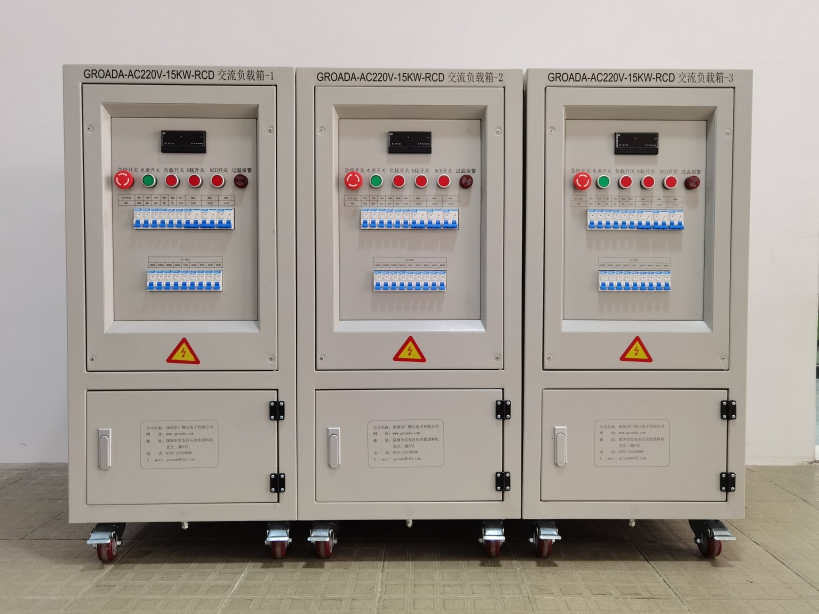
In another scenario, microgrid integration projects—such as wind farms connected to the main grid—require dynamic load testing to assess how well the generator responds to rapid load fluctuations. Here, an RLC load bank simulates both active and reactive demand changes, allowing engineers to tune automatic voltage regulators (AVRs) and governor controls accordingly. A simulated example involving a 1 MW hybrid solar-diesel system revealed that without proper reactive compensation, voltage sags exceeded 15% during peak load switching events, leading to instability in downstream inverters. After adjusting the AVR settings using a calibrated portable load bank, voltage dips were reduced to less than 3%.
Technical specifications vary widely depending on the application, but a typical three-phase resistive load bank may have the following features:
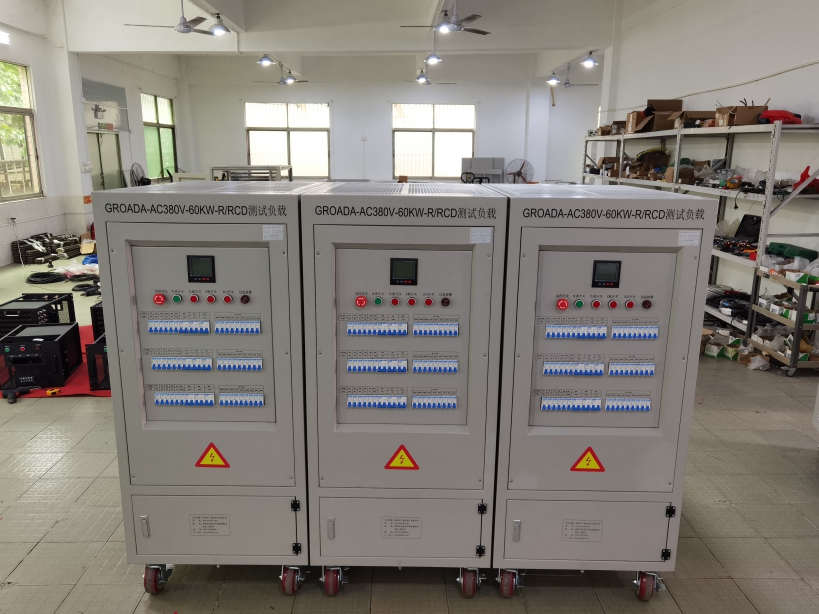
- Rated Power: 10–2000 kW (adjustable via parallel modules)
- Voltage Range: 208V–600V AC (single or three-phase)
- Current per Phase: Up to 600A (depending on configuration)
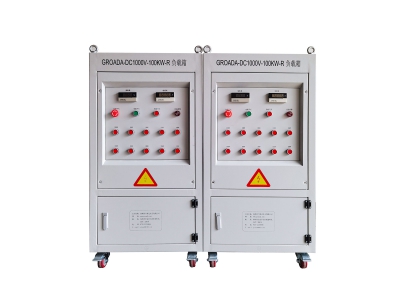
- Power Factor Adjustment: 0.8 lagging to 0.8 leading (for RLC models)
- Cooling Method: Forced air (fan-cooled) or liquid-cooled (water jacketed)
- Thermal Protection: Overtemperature sensors with automatic trip at 150°C
- Measurement Accuracy: ±0.5% for voltage, current, active power; ±1% for reactive power
- Control Interface: RS-485, Modbus RTU, Ethernet TCP/IP, and optional PLC integration
Safety is paramount in load bank operations. All portable units must comply with relevant national and international standards such as UL 1598 (for electrical safety), CE EN 60204-1 (for machinery safety), and CCC certification for Chinese markets. Features like grounding terminals, short-circuit protection relays, emergency stop buttons, and high IP ratings (IP54 minimum) ensure safe handling even in harsh environments like oil rigs, construction zones, or offshore platforms.
Portability itself is often a key differentiator. Modern load banks feature robust steel chassis, lifting eyes, and fork-lift pockets for easy transport between job sites. Weight ranges from 50 kg (small units) to over 1,500 kg (large modular systems), with dimensions scaled accordingly. Some models also support remote monitoring via cloud-based platforms, enabling operators to initiate tests, receive alerts, and download log files from anywhere—critical for large-scale infrastructure projects where on-site personnel may be limited.
Maintenance and calibration schedules are vital for long-term accuracy. Most manufacturers recommend annual calibration using traceable reference standards (e.g., NIST-traceable calibrators), while fan blades, resistor blocks, and contactors should be inspected quarterly. Consumables like resistor elements typically last 5–10 years depending on usage intensity, whereas fans may need replacement every 2–3 years if operated continuously in dusty or humid conditions.
For users considering purchase decisions, it’s important to understand that not all load banks are created equal. While some low-cost options may appear suitable, they often lack precise measurement capabilities, adequate cooling, or fail-safe protections—leading to inaccurate results or even equipment damage. Investing in certified, well-documented, and field-tested models ensures consistent outcomes and minimizes downtime risks.
As the global shift toward decentralized energy and resilient power systems continues, the role of portable load banks will expand beyond traditional generator testing into areas like battery storage validation, EV charging station load simulation, and grid-forming inverter testing. Engineers who master these tools will be better equipped to support next-generation power solutions—and stay ahead in competitive markets.