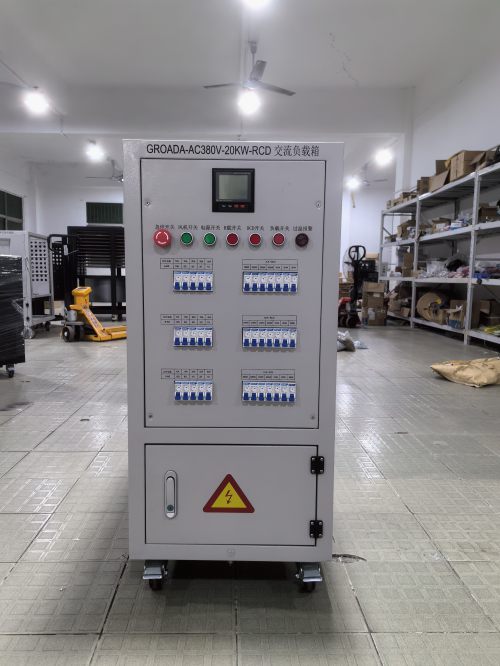
The NFPA 110 2-hour load bank test is a critical procedure mandated by the National Fire Protection Association (NFPA) for ensuring the reliability of emergency power systems, particularly in hospitals, data centers, and industrial facilities. This test validates that backup generators can sustain full load conditions for at least two continuous hours under simulated real-world demand. It aligns with NFPA 110-2023 Chapter 8.4, which requires routine performance verification to confirm that emergency power systems meet their intended design specifications.
During the test, a resistive load bank—typically rated from 50 kW to several megawatts—is connected to the generator output. The system is loaded to 100% of its rated capacity, and parameters such as voltage stability, frequency regulation, fuel consumption, exhaust temperature, and emissions are monitored continuously. A minimum 2-hour duration ensures that the generator can handle extended outages without failure, especially when integrated into critical infrastructure like hospital life-support systems or server farm cooling.
For compliance, the test must be performed using a calibrated load bank with accurate measurement capabilities for active power (kW), reactive power (kVAR), power factor (PF), and current (A). The test should be documented with time-stamped readings and include ambient temperature, engine oil temperature, and coolant levels. According to IEC 60034-1, motor and generator testing standards support this approach by specifying mechanical and thermal endurance limits. In an anonymized case study from a U.S. healthcare facility, a 2-hour load bank test revealed inconsistent voltage regulation at 90% load, prompting corrective maintenance before a major outage event.
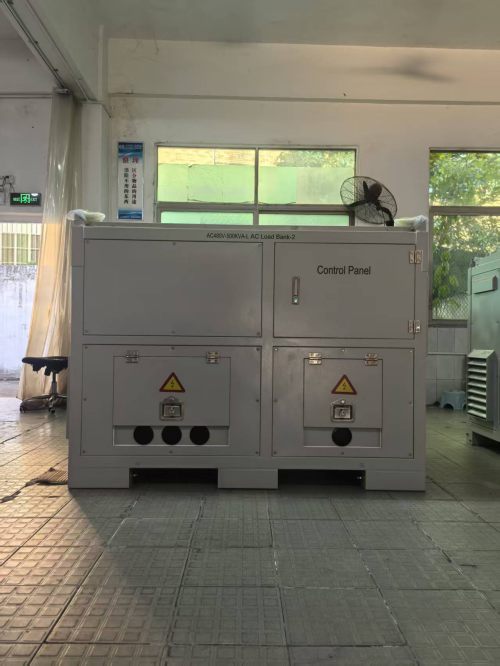
Safety features such as overtemperature protection, short-circuit detection, and automatic shutdown mechanisms must be verified during the test. Portable load banks with remote monitoring via Modbus or Ethernet are increasingly used to streamline compliance reporting and reduce manual errors. Based on field experience, consistent annual testing—not just every 5 years as some older guidelines suggested—ensures long-term operational integrity.
This rigorous evaluation is not merely a regulatory formality; it’s a proactive measure to prevent catastrophic failures. As grid resilience becomes more critical in the face of climate-related disruptions, NFPA 110-compliant load testing remains foundational to mission-critical operations worldwide.