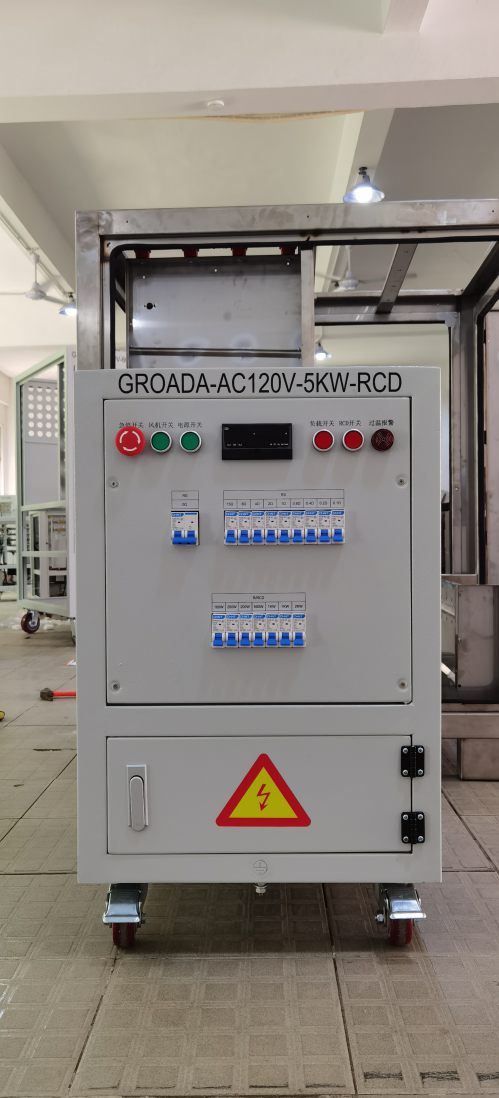
Portable load banks are essential tools for verifying the performance, reliability, and safety of generators in both industrial and field applications. Unlike fixed load banks, portable units offer flexibility in testing engines ranging from small diesel generators to large-scale power systems—ideal for installation sites, remote facilities, or mobile service operations. These devices simulate real-world electrical loads by drawing power from the generator under test, allowing engineers to assess critical parameters such as voltage regulation, frequency stability, fuel efficiency, and emissions compliance.
A high-quality portable load bank typically includes resistive, reactive, or combination (RLC) load capabilities. Resistive loads convert electrical energy into heat, mimicking purely real-power consumption like lighting or heating systems. Reactive loads—inductive or capacitive—simulate inductive motors or capacitive power factor correction systems, enabling tests on generator excitation and reactive power handling. The most advanced models support adjustable power factor control (e.g., 0.8 lagging to 1.0 leading), making them suitable for comprehensive generator acceptance testing per IEC 60034-1 standards.
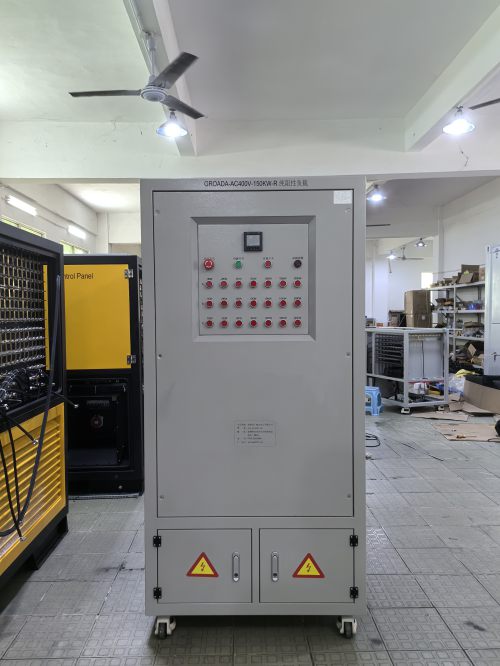
Modern portable load banks often feature digital controls with Modbus RTU or Ethernet communication, allowing remote monitoring via SCADA systems or smartphones. Built-in temperature sensors and automatic shutdown on overheat prevent damage to internal resistor blocks. Safety certifications such as CE, UL, and CCC ensure they meet global electrical safety requirements. For example, a 150 kW three-phase unit might weigh around 250 kg, have IP54 ingress protection, and include lifting eyes for crane handling—making it deployable in harsh environments.
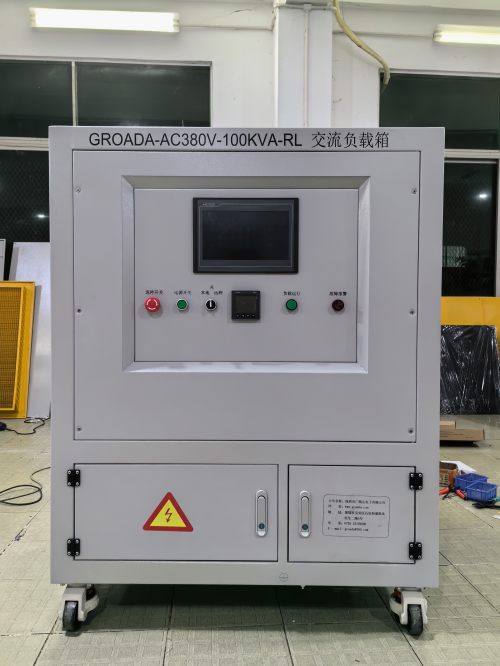
Case studies show that using portable load banks during factory acceptance tests (FATs) improves early fault detection. In one anonymized case, a wind farm developer used a 500 kVA portable load bank to validate a new generator’s response to sudden load changes; the test revealed inadequate governor tuning, which was corrected before commissioning. Similarly, data center operators use these tools monthly to ensure uninterruptible power supplies (UPS) can handle full-load conditions without switching to bypass mode.
Regular calibration every 12 months, coupled with scheduled fan and resistor block inspections, ensures long-term accuracy and safety. This proactive approach not only extends equipment life but also prevents unexpected failures during emergencies—a key consideration for mission-critical infrastructure.