
Portable load banks are essential tools for verifying the performance and reliability of generators, uninterruptible power supplies (UPS), and renewable energy systems such as solar or wind farms. These devices simulate real-world electrical loads to test how a power source behaves under varying conditions—ensuring it can handle peak demand without failure. In field applications like construction sites, data centers, and emergency backup systems, portable load banks provide critical diagnostics that prevent unexpected outages.
One major advantage is their flexibility: unlike fixed installation load banks, portable units allow engineers to conduct factory acceptance tests (FAT) on-site or perform commissioning checks before energizing new systems. They also support reactive and resistive load testing, enabling accurate assessment of generator voltage regulation, frequency stability, and fuel efficiency across different power factors (e.g., 0.8 lagging to 1.0 unity). Modern portable load banks often include digital control interfaces such as Modbus RTU or Ethernet for remote monitoring, which enhances operational safety and reduces manual labor.
Common problems include overheating due to inadequate airflow in enclosed environments and improper load sequencing leading to uneven stress on generator components. To mitigate these risks, many manufacturers now incorporate automatic thermal protection and intelligent load ramping features. Additionally, compliance with international standards such as IEC 60034-1 (for electric motor testing) and IEEE 1547 (for distributed energy resources) ensures safe and repeatable testing procedures.
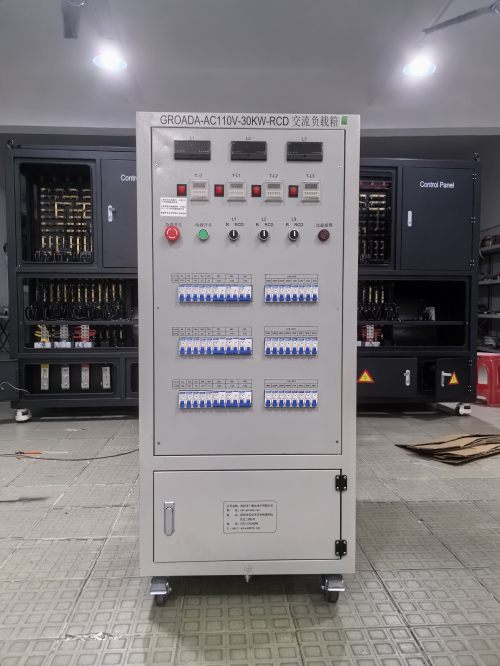
A simulated case study from an industrial site shows that using a three-phase resistive-reactive combination load bank at 90 kW over 4 hours improved generator reliability by identifying a failing excitation system—preventing a potential blackout during a peak load event. Recent trends include integrating IoT-enabled load banks for predictive maintenance, allowing users to track temperature, current, and power factor trends remotely via cloud platforms. As green energy adoption grows, portable load banks are increasingly used in microgrid grid-connection testing, making them indispensable for modern power infrastructure validation.