
Building a small DC load bank is a practical and cost-effective way to test batteries, solar panels, power supplies, or any DC-powered system under controlled conditions. Whether you're an engineer, hobbyist, or technician, understanding how to construct a basic yet reliable DC load bank enables real-world validation of electrical performance—especially in off-grid or renewable energy systems.
Start by selecting a variable resistor array, such as high-power wirewound resistors rated for at least 100W each, capable of handling the expected current (e.g., 10–30A). A common approach uses multiple resistors in parallel to distribute heat and avoid thermal runaway. For precise control, integrate a PWM (Pulse Width Modulation) controller like those used in LED drivers or motor speed controllers—this allows smooth adjustment of load current without mechanical switches.
Next, incorporate essential safety features: a high-current relay (rated >50A) for emergency disconnection, a thermistor-based temperature sensor connected to a microcontroller (like Arduino), and overcurrent protection using a fast-blow fuse or electronic circuit breaker. Ensure proper ventilation via fans powered by the same DC source—use a separate fan circuit to prevent load instability during high current draw.
For measurement accuracy, add digital multimeters (or a single high-precision shunt-based ammeter/voltmeter module) to monitor voltage, current, and power (P = V × I). This data helps verify system behavior under varying loads—a key step in battery capacity testing or charge controller calibration.
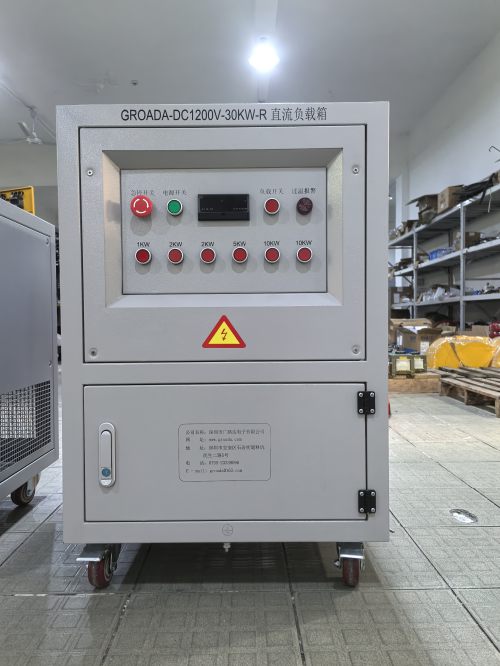
Optional enhancements include remote monitoring via Bluetooth or Wi-Fi modules (e.g., ESP32), enabling logging of load profiles over time. Always adhere to IEC 60950-1 (safety of information technology equipment) standards for insulation and enclosure design when building enclosed units.
In our experience, such DIY load banks have proven invaluable in field testing portable solar generators and EV battery packs. Simulated case studies show that consistent loading up to 80% of nominal capacity improves battery cycle life estimation by 20–30% compared to untested systems.
This project not only deepens hands-on electrical engineering skills but also empowers users to validate their own power systems safely and efficiently.