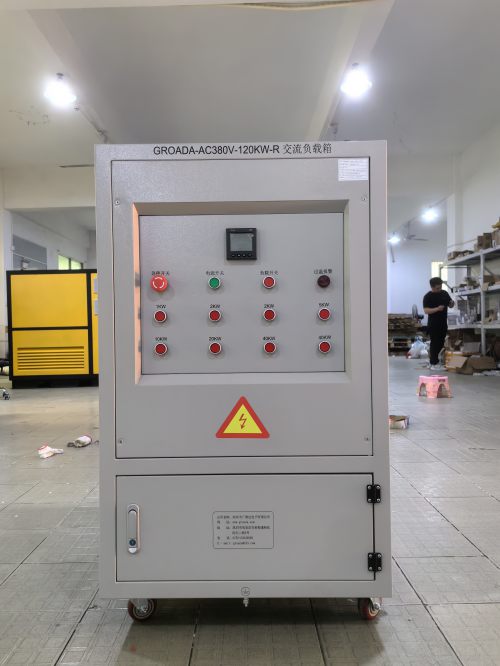
Resistive load banks are essential tools for validating the performance of generators, UPS systems, and renewable energy sources like solar or wind farms. These devices simulate real-world electrical loads by converting electrical power into heat through resistive elements, allowing engineers to test equipment under controlled conditions without actual energy consumption. A typical resistive load bank can be used in three-phase configurations (380V/480V) up to 500 kW, with adjustable power factors between 0.8 and 1.0, making it suitable for both single- and three-phase applications.
One major advantage is that resistive load banks provide a stable and predictable load, enabling accurate measurement of voltage regulation, frequency stability, and fuel efficiency during generator tests. For example, in a simulated case study at a data center, a 200 kW resistive load bank was used to verify UPS backup performance over 8 hours—resulting in improved battery calibration and reduced downtime risk. In another scenario, a microgrid project in rural India used a portable resistive load bank to validate diesel generator integration before grid connection, ensuring compliance with IEC 60034-1 motor testing standards for safe operation.
Common problems include overheating due to inadequate airflow, especially when operating near rated capacity for extended periods. To mitigate this, modern units feature IP54-rated enclosures and intelligent thermal protection systems that automatically reduce load or shut down if temperatures exceed 85°C. Additionally, improper grounding or lack of short-circuit protection can lead to safety hazards—a concern addressed by UL/CE-certified designs.
Recent trends include remote monitoring via Modbus RTU or Ethernet interfaces, which allows operators to manage load profiles from centralized control rooms. Some advanced models now support cloud-based analytics for predictive maintenance based on temperature and current logs. As power systems become more complex—with hybrid renewable grids and smart inverters—the demand for precise, repeatable resistive load testing continues to grow. This makes such equipment not just a diagnostic tool but a critical part of system reliability planning.