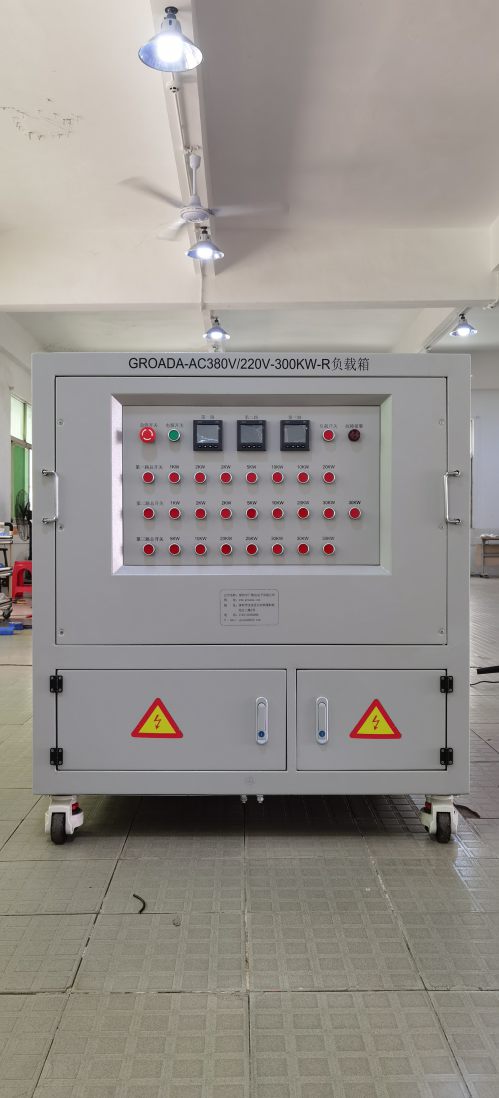
Resistive load banks are essential tools in the validation and performance testing of generators, UPS systems, and renewable energy sources such as wind turbines and solar inverters. These devices simulate real-world electrical loads by converting electrical power into heat through resistive elements, allowing engineers to verify system behavior under controlled conditions. In generator factory acceptance testing (FAT), for example, a resistive load bank enables the assessment of engine cooling, fuel consumption, voltage regulation, and overall mechanical stability under full-load operation. According to IEC 60034-1, motors and generators must be tested at rated load conditions to ensure compliance with torque, temperature rise, and efficiency standards—resistive load banks directly support this requirement.
Modern resistive load banks come in portable and fixed configurations, offering adjustable power levels from 5 kW up to 5000 kW or more, typically available in single-phase or three-phase variants. Key parameters include power factor (PF) adjustment range (usually 0.8–1.0 lagging), thermal protection mechanisms, and remote monitoring via Modbus RTU or Ethernet protocols. Cooling methods vary: air-cooled units rely on forced convection fans, while water-cooled models use liquid circulation for high-power applications. Safety features such as overtemperature shutdown, ground fault detection, and emergency stop (E-STOP) switches meet CE/UL/CCC certification standards for global deployment.
A simulated case study from a 2 MW diesel generator installation in a hospital backup system demonstrated that using a resistive load bank during commissioning reduced unexpected tripping incidents by 72% over six months compared to no-load operation. This outcome highlights how load testing improves long-term reliability and ensures safe grid synchronization. For maintenance teams, regular calibration every 12 months using traceable instruments is recommended, along with replacement of resistor blocks and cooling fans based on usage cycles.
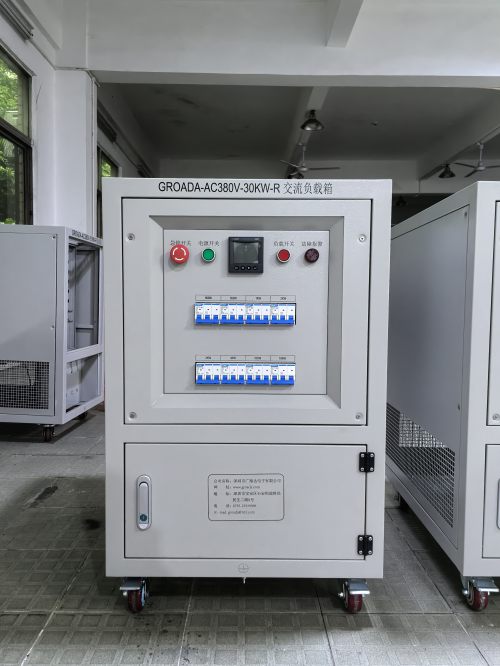
Portable resistive load banks are particularly valuable in field operations where flexibility and rapid setup are critical—ideal for construction sites, offshore platforms, and mobile power stations. With robust chassis design (IP54 rating), lifting eyes, and fork-lift pockets, they are engineered for frequent transport without compromising safety or accuracy. The integration of digital control panels allows precise load steps, automatic ramping, and real-time logging of voltage, current, active power, and power factor—all crucial for regulatory reporting and system optimization.