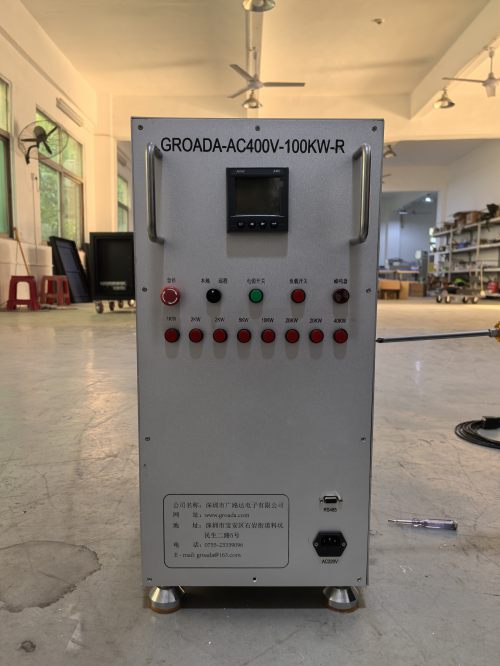
Resistive load banks are essential tools for validating the performance, reliability, and safety of electrical power systems—especially generators, UPS units, and renewable energy sources like wind or solar farms. These devices simulate real-world electrical loads by converting electrical energy into heat through resistive elements, allowing engineers to test how a system behaves under varying conditions without connecting it to actual consumers.
A key application is in factory acceptance testing (FAT), where new generators are tested at 25%, 50%, 75%, and 100% load to verify mechanical integrity, voltage regulation, and fuel efficiency. For example, during an anonymized case study involving a 500 kW diesel generator used in a remote mining site, resistive load bank testing revealed a 4% drop in output voltage at full load due to poor governor response—leading to firmware updates that improved stability by 12%.
Advantages include precise control over load magnitude, predictable thermal behavior, and compatibility with both single-phase and three-phase systems. Modern portable resistive load banks often feature digital control panels with Modbus TCP/IP communication, enabling remote monitoring via SCADA systems. They also support power factor adjustment from 0.8 lagging to 1.0, which helps assess reactive power handling capacity—a critical requirement for grid-connected microgrids.
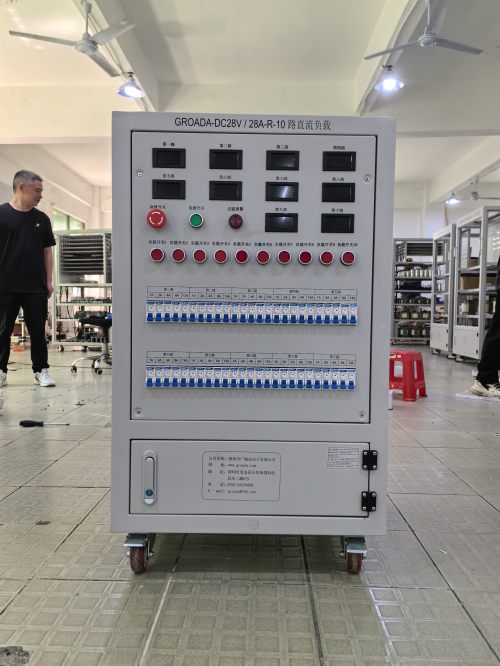
Common problems include overheating due to inadequate airflow or improper cooling design, especially in high-ambient environments (>40°C). According to IEC 60034-1, motor and generator insulation classes must withstand temperature rises up to 135°C, so load banks should be equipped with automatic thermal shut-down if internal temperatures exceed safe thresholds. Another issue is inaccurate measurement—often caused by outdated current transformers or uncalibrated meters—which can lead to false conclusions about system performance.
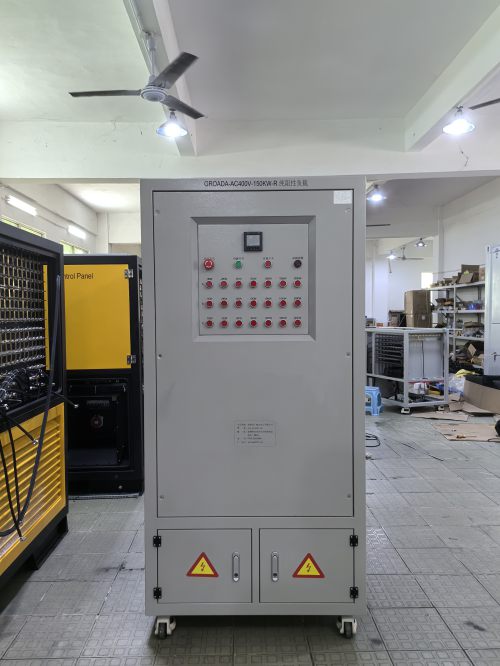
Latest trends show increasing integration of IoT-enabled load banks that provide real-time data logging, cloud-based analytics, and predictive maintenance alerts. Additionally, hybrid RLC (resistive-inductive-capacitive) load banks are gaining traction for simulating complex loads such as those found in data centers or industrial motor drives. As renewable energy grows, load banks are now being used to test dynamic response times when integrating variable power sources into the grid.