
In Oregon, load bank testing is a critical process for ensuring the reliability and performance of generators, backup power systems, and renewable energy installations. Whether it’s for new equipment commissioning, maintenance verification, or compliance with electrical codes, companies across the state—from Portland to Eugene—rely on professional load bank testing services to validate system capacity under real-world conditions.
Load bank testing simulates actual electrical loads by drawing power from the generator or power source and converting it into heat, allowing engineers to verify voltage stability, frequency regulation, fuel efficiency, and emissions. This method is widely used by utilities, data centers, hospitals, industrial facilities, and wind farm operators in Oregon who need to ensure uptime during emergencies or grid integration.
Common applications include factory acceptance testing (FAT) of diesel generators, load testing of uninterruptible power supplies (UPS), and validating microgrid resilience before interconnection. A reputable load bank testing company in Oregon will use certified equipment such as three-phase resistive or reactive load banks, capable of handling 50 kW to 1,000+ kW capacities, with options for remote monitoring via Modbus or Ethernet interfaces.
These tests are often conducted in accordance with IEC 60034-1 standards for motor and generator performance, and many Oregon-based firms also follow NFPA 110 requirements for emergency power systems. Safety features like overtemperature protection, E-stop buttons, and grounding compliance (UL/CE certified) are essential to prevent damage during high-load operations.
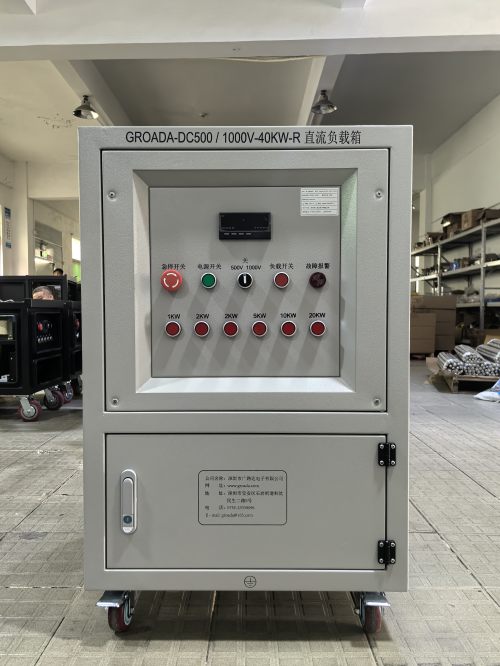
For businesses seeking reliable load bank testing in Oregon, choosing a provider with field experience in both urban and rural environments ensures consistent results—from small commercial generators to large-scale solar-plus-storage projects. By partnering with local experts, companies can reduce downtime, improve regulatory compliance, and extend equipment life through preventive diagnostics.